Quick answer: A Vancouver-specific guide to home inspection red flags covering building envelope failures, underground oil tanks, knob-and-tube wiring, poly-B plumbing, asbestos, foundation drainage, and strata documentation. Includes estimated remediation costs and practical buyer advice.
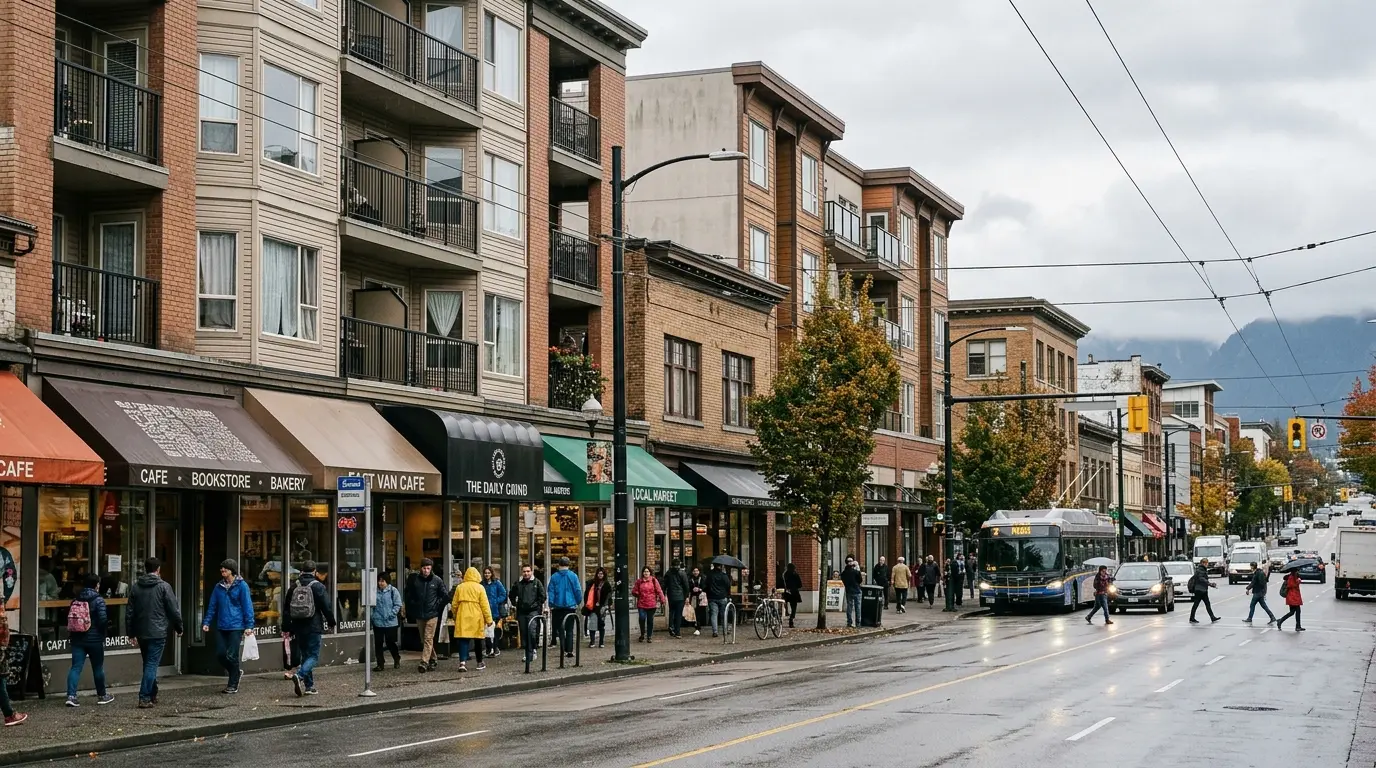
Vancouver homes come with region-specific risks that generic inspection checklists miss. From leaky condo legacies to buried oil tanks, here's what to watch for before you buy.
Want a free assessment for your property?
Leave your name and phone — Greyden will call you back with a personalized market snapshot. No spam, no drip campaigns.
Join 1,000+ Vancouver homeowners. No spam, unsubscribe anytime.
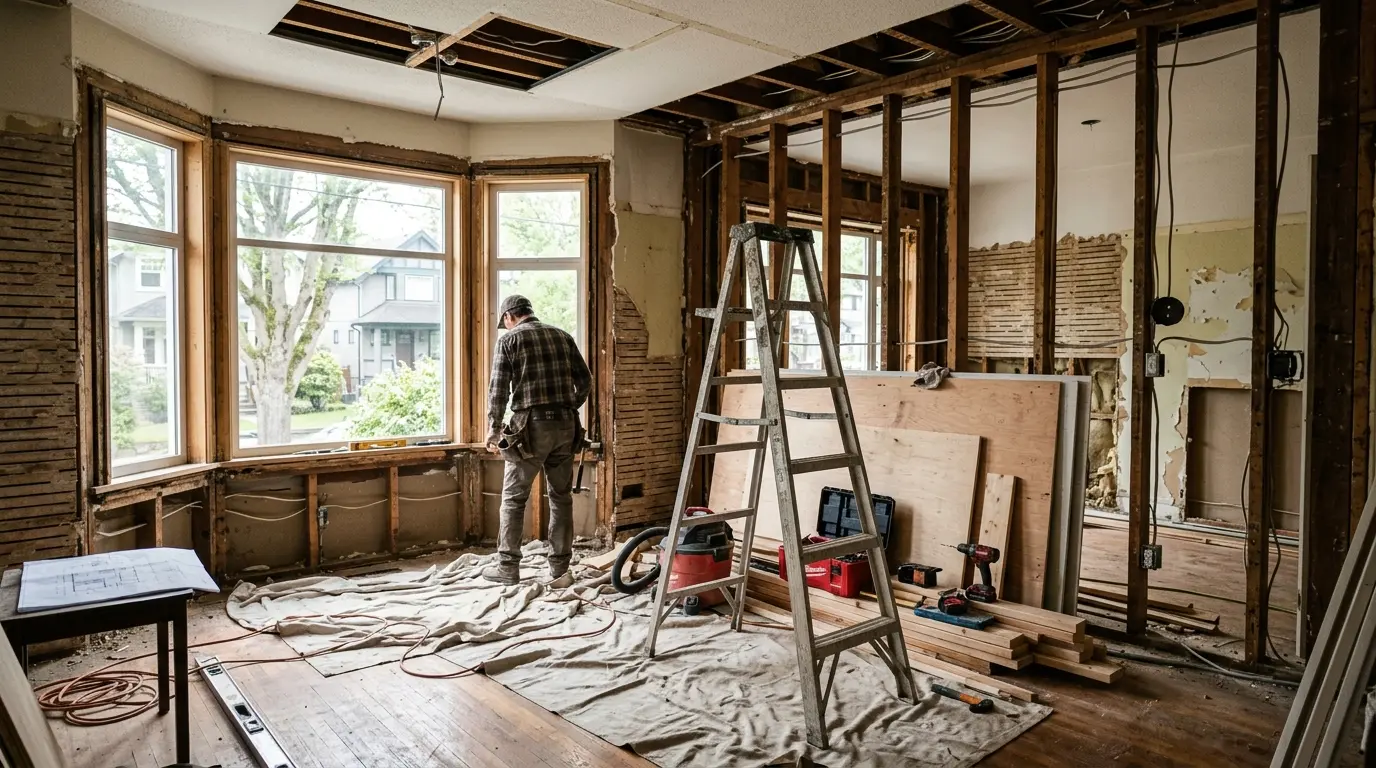
I’ve walked through hundreds of home inspections over 20 years in Vancouver real estate. The pattern I see again and again: buyers fixate on cosmetic stuff (paint colour, dated light fixtures, scuffed hardwood) and gloss over the problems that actually cost money. I’m talking $15,000 for a plumbing repipe. $85,000 for a buried oil tank cleanup. Six figures for building envelope remediation on a condo built in 1993.
Vancouver homes have region-specific risks that a generic “home inspection checklist” won’t prepare you for. Our climate, our building history, and our soil conditions create a unique set of problems. This guide covers the red flags I tell every client to watch for.
What a Standard Home Inspection Covers (and What It Doesn’t)
A licensed BC home inspector will evaluate the roof, structural components, exterior cladding, plumbing, electrical, HVAC, insulation, and ventilation. In Vancouver, a standard inspection for a single-family home runs $500 to $800, with condos and townhomes typically in the $350-$650 range.
What a standard inspection does not include: invasive testing behind walls, hazardous material sampling (asbestos, lead paint), sewer scope, oil tank scans, or environmental assessments. Those are separate, and in Vancouver, several of them are worth every dollar.
Anyone performing a home inspection in BC must hold a licence from Consumer Protection BC. Ask for the licence number. If someone can’t produce it, walk away.
Building Envelope Problems: Vancouver’s Billion-Dollar Legacy
This is the big one. Between the late 1980s and early 2000s, Vancouver experienced what became known as the leaky condo crisis — a catastrophic wave of building envelope failures that damaged over 900 buildings and 31,000 housing units across the Lower Mainland. Total damage estimates reached $4 billion.
The root cause was a collision of bad timing: a building boom fueled by Expo ‘86, a trend toward “California-style” stucco construction poorly suited to our rainy climate, and a workforce stretched thin by demand. Stucco cladding without proper rainscreen drainage trapped moisture inside wall assemblies, leading to rot, mould, and structural decay.
What to watch for
- Construction date between 1985-2000: This is the highest-risk window. Not every building from this era has problems, but every building from this era deserves extra scrutiny.
- Stucco exterior without rainscreen: Vancouver mandated rainscreen construction starting in 1996. If a building predates that requirement and hasn’t been remediated, moisture could be trapped inside the walls right now.
- Remediation history: If a condo building has been remediated, that’s actually a positive sign — it means the problem was addressed. Ask for the engineering report and warranty details. Buildings that were fixed properly in the 2000s and 2010s are often in better shape than buildings that dodged the crisis by luck.
- Strata minutes mentioning “envelope,” “moisture,” or “remediation”: These words in meeting minutes are signals worth investigating further.
Cost if missed: Building envelope remediation on a condo can run $15,000 to $40,000+ per unit through special levies, depending on building size and severity. On a house, exterior cladding replacement with proper rainscreen installation can exceed $50,000.
Underground Oil Tanks: The Hidden Liability Buried in Your Yard
Many Vancouver homes built before the 1970s were heated with oil furnaces, and those furnaces were fed by underground storage tanks (USTs). Some were properly decommissioned when homeowners switched to natural gas. Many were simply abandoned in the ground and forgotten.
Here’s what makes this a serious financial risk: under BC law, the current property owner is responsible for any environmental contamination on the property, regardless of who installed the tank or when the leak occurred. The City of Vancouver requires removal of all out-of-service underground storage tanks and remediation of contaminated soil.
What to watch for
- Pre-1970s construction with no documentation of oil tank removal: If the house is old enough to have been oil-heated, assume a tank might be there until proven otherwise.
- Copper pipes emerging from the foundation: These may have connected to an oil supply line.
- A vent pipe in the yard: Sometimes the only visible evidence.
- Property Disclosure Statement (PDS) mentions oil heat: Sellers are required to disclose known oil tanks, but “I don’t know” is a legally acceptable answer on the PDS.
Cost if missed: A straightforward tank removal with clean soil runs $3,000 to $5,000. But if the tank has leaked and contaminated the soil? CBC reported a case where a North Vancouver homeowner paid $85,000 for removal and decontamination. A West Vancouver case hit $160,000.
My advice: On any pre-1975 home, spend the $300-$500 for a ground-penetrating radar scan before you remove subjects. It’s the cheapest insurance you’ll buy.
Knob-and-Tube Wiring: The Insurance Dealbreaker
Knob-and-tube (K&T) wiring was standard in homes built from the late 1800s through the 1940s. It uses porcelain insulators to separate hot and neutral wires with rubber cloth insulation. The system was adequate for the electrical loads of 1920 — a few lights, maybe a radio. It was not designed for modern kitchens, home offices, or the 20 devices you charge overnight.
The safety concerns are real: no grounding protection, deteriorating insulation that can expose bare copper wire, and an inability to handle modern electrical loads without overheating. But here’s the practical issue that hits buyers hardest: most BC insurance companies will not insure a home with active knob-and-tube wiring, or they’ll require replacement within 12-24 months of purchase and charge significantly higher premiums in the meantime.
What to watch for
- Pre-1950 construction: Automatic flag for possible K&T.
- Fuse panel instead of breaker panel: Often found together with K&T.
- Visible ceramic knobs in basement joists or attic: The inspector should be checking these areas.
- Two-prong outlets: A sign the wiring may not have been updated.
- Blown insulation piled over K&T wiring: This is a fire hazard — the insulation traps heat around wires designed to dissipate heat into open air.
Cost if missed: A full rewire of a Vancouver home runs $8,000 to $15,000 depending on home size and accessibility, with partial replacement in the $3,000-$8,000 range. Factor this into your offer if the inspection reveals active K&T.
Polybutylene Plumbing (Poly-B): The Grey Pipe Time Bomb
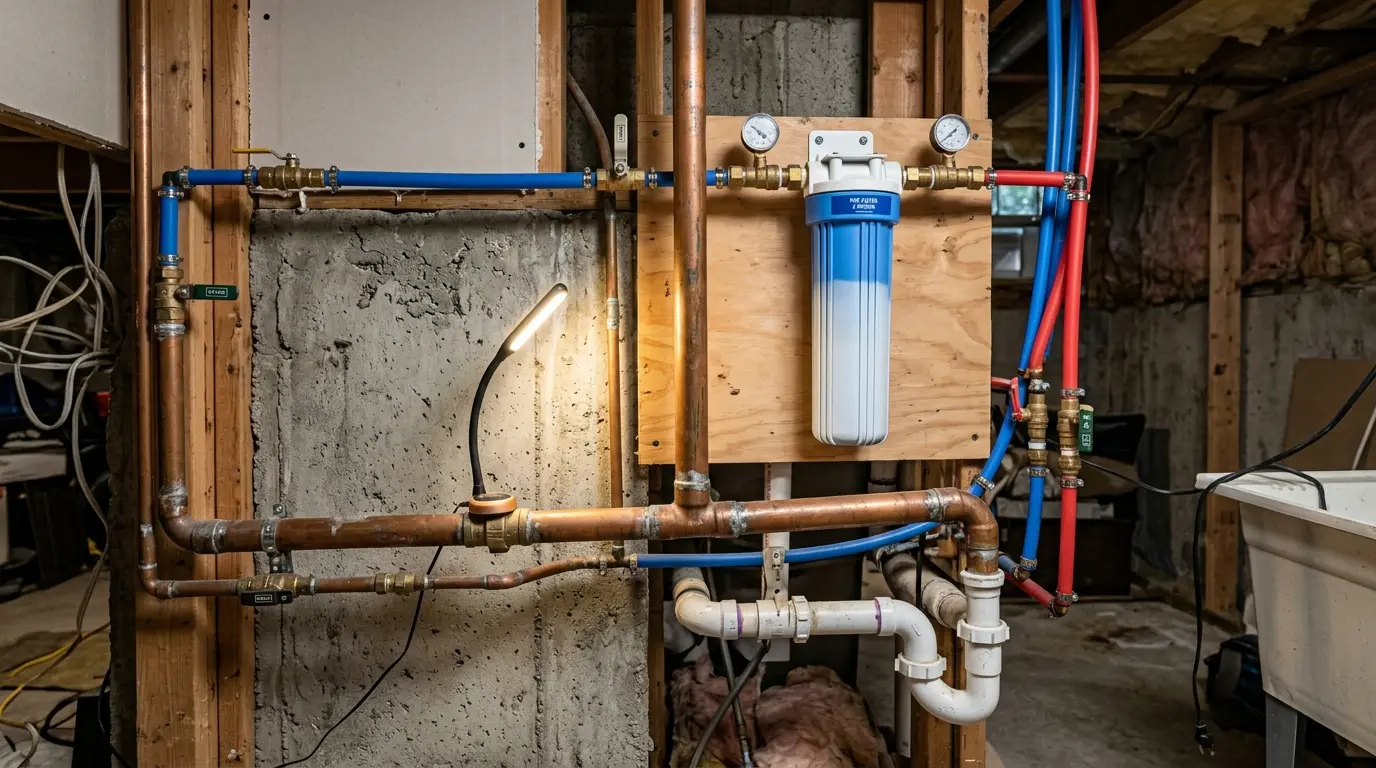
Polybutylene pipes — the grey plastic plumbing installed in Canadian homes from roughly 1985 to 1997 — have a well-documented failure pattern. The pipe material deteriorates over time when exposed to chlorine in municipal water, high temperatures, and UV light. Connections weaken. Pipes burst. Water damage follows.
I’ve seen poly-B failures cause catastrophic flooding in occupied homes. There’s no warning — the pipe just goes.
What to watch for
- Grey plastic supply pipes visible in the basement or utility room: Poly-B is distinctly grey (sometimes blue or black). If you see grey plastic pipes with “PB2110” stamped on them, that’s poly-B.
- Construction date between 1985 and 1997: The installation window.
- Prior insurance claims for water damage: Could indicate poly-B failures already happening.
- Crimped copper fittings: Poly-B connections often used copper crimp rings, which are another failure point.
Cost if missed: A full poly-B repipe for a typical Vancouver home runs $8,000 to $15,000. Many insurance companies now require replacement or charge significant premiums for homes with poly-B.
Asbestos: Common in Pre-1990 Vancouver Homes
Asbestos was used in a wide range of building materials through the 1980s — insulation, floor tiles, ceiling texture, pipe wrap, drywall compound, roofing, and even some siding materials. The material itself is stable when undisturbed, but renovation or demolition releases fibres that cause serious health problems.
In Vancouver, where a huge portion of the housing stock predates 1990, asbestos is something you’ll encounter regularly. The BC government requires all asbestos abatement contractors to be licensed as of January 1, 2024, and workers must complete mandatory safety training.
What to watch for
- Pre-1990 construction: The cutoff for likely asbestos-containing materials.
- Vermiculite attic insulation: Often contains asbestos (the Libby, Montana vermiculite mine that supplied much of North America was contaminated).
- 9x9 vinyl floor tiles: A common asbestos carrier.
- Popcorn or stippled ceilings: Frequently contain asbestos in pre-1990 homes.
- Pipe insulation with a white, chalky wrap: Classic asbestos pipe insulation.
A standard home inspection will not test for asbestos. If the home predates 1990 and you plan any renovations at all, budget for asbestos testing ($350-$500 for initial sampling) before you finalize your offer.
Cost if missed: Removal costs vary wildly based on material and scope. Vinyl tile removal runs $500-$2,500 per room. Vermiculite insulation removal: $7,500 to $13,000. Larger whole-home abatement projects can reach $30,000-$40,000. If you buy a pre-1990 home with renovation plans and don’t budget for asbestos, you’re setting yourself up for a nasty surprise.
Foundation and Drainage: Vancouver’s Climate Takes Its Toll
Vancouver’s rainfall and soil conditions create specific foundation risks that you won’t find in inspection guides written for Toronto or Calgary. Our wet winters push water against foundation walls, and our seasonal moisture cycles — soaked from October to April, dry from June to September — cause clay soils to expand and contract, stressing foundations over decades.
What to watch for
- Cracks in the foundation wider than 1/4 inch: Hairline cracks are normal settling. Anything wider, or horizontal cracks, signal structural movement.
- Water stains or efflorescence on basement walls: White mineral deposits (efflorescence) mean water is migrating through the concrete. Active staining or dampness after rain is worse.
- Sloping floors: Bring a marble to your showing. If it rolls, get a structural engineer involved.
- Failed or absent perimeter drainage: Many older Vancouver homes have clay or concrete perimeter drain tiles that clog, collapse, or were never installed. Replacing perimeter drainage typically runs $8,000-$15,000 around the home’s perimeter.
- Reverse grading: The ground should slope away from the foundation. After decades of landscaping and soil settling, many Vancouver properties now slope toward the house.
- Gutters dumping water at the foundation: Downspouts that discharge right next to the foundation wall, rather than extending away from the house, create constant moisture problems.
Cost if missed: Perimeter drainage replacement: $8,000-$15,000. Foundation crack repair: $500-$5,000 per crack depending on method. Major structural foundation work: $20,000+. Chronic moisture damage to a finished basement: potentially the cost of a full gut and rebuild.
Strata-Specific Red Flags (Condos and Townhomes)
If you’re buying a strata property, your inspection report is only half the story. The strata documentation tells you what’s coming financially. I’ve written a detailed guide to reading depreciation reports, but here are the inspection-adjacent red flags:
- Deferred maintenance visible in common areas: Peeling paint in the parkade, crumbling concrete balconies, rusted railings — these signal a strata council that’s been kicking problems down the road.
- Contingency reserve fund below 25% of the depreciation report’s recommended balance: Underfunded reserves almost always lead to special levies.
- Multiple recent special levies: One special levy for an unexpected repair is normal. Three in five years is a pattern.
- Active or pending litigation in strata minutes: Lawsuits are expensive, slow, and signal deeper problems.
- Water ingress history: Check the strata’s maintenance records for repeated water intrusion complaints, especially in buildings from the 1985-2000 window.
The Inspections You Should Add Beyond the Standard
A standard home inspection is the starting point. For Vancouver properties, I routinely recommend these additional inspections depending on the home:
| Additional Inspection | When to Get It | Approximate Cost |
|---|---|---|
| Sewer scope (camera inspection) | Any home over 30 years old | $200-$400 |
| Oil tank scan (ground-penetrating radar) | Pre-1975 homes | $300-$500 |
| Asbestos sampling | Pre-1990 homes, especially if renovating | $350-$500 |
| Structural engineer assessment | Foundation concerns, major cracks, sloping floors | $500-$1,000 |
| Electrical inspection (licensed electrician) | K&T wiring, outdated panels, fuse boxes | $200-$400 |
| Building envelope review | Condos built 1985-2000 without remediation | $300-$600 |
Costs are approximate and vary by provider and scope. Prices reflect Metro Vancouver rates as of early 2026.
In my experience, buyers who spend an extra $1,000-$2,000 on targeted inspections almost always save multiples of that by either negotiating a better price or avoiding a money pit altogether.
Key Takeaways
- Vancouver homes have region-specific risks — building envelope failures, buried oil tanks, poly-B plumbing, and asbestos — that generic inspection advice doesn’t cover.
- The highest-risk construction windows to scrutinize: pre-1950 (K&T wiring), pre-1975 (oil tanks), 1985-1997 (poly-B plumbing), 1985-2000 (building envelope), pre-1990 (asbestos).
- A standard inspection costs $500-$800 for a house but doesn’t include hazmat testing, sewer scopes, or oil tank scans. Budget for the add-ons that match your property’s age and type.
- The most expensive red flags — oil tank contamination, building envelope failure, foundation issues — can cost $50,000 to $150,000+ to fix. A $300 scan or a $500 test can save you from that.
Frequently Asked Questions
How much does a home inspection cost in Vancouver in 2026?
A standard home inspection for a single-family home in Vancouver runs $500 to $800. Condos and townhomes are typically $350-$650. Older or larger homes may cost more due to additional time required. Specialized add-on inspections (sewer scope, oil tank scan, asbestos testing) are separate and typically add $200-$500 each.
Can I skip the home inspection to make my offer more competitive?
You can, but I strongly advise against it — especially in Vancouver where the risks are so property-specific. Waiving the inspection subject to win a bidding war is gambling with potentially six figures. If the market is competitive enough that sellers expect no subjects, at minimum arrange a pre-inspection before you submit the offer. That way you’re making an informed decision rather than a blind one.
What’s the difference between a home inspection and a structural engineer assessment?
A home inspector evaluates all major systems at a surface level — roof, electrical, plumbing, HVAC, structure, exterior. A structural engineer focuses specifically on the home’s structural integrity: foundations, load-bearing walls, beams, and settlement patterns. If your inspector flags foundation cracks, significant settling, or structural concerns, the next call is a structural engineer for a detailed assessment.
Are sellers required to disclose known defects in BC?
Sellers in BC complete a Property Disclosure Statement (PDS) where they disclose known defects. However, “I don’t know” is a legally acceptable answer. The PDS is not a warranty. It’s one data point. Your inspection, your strata document review, and your own research are where the real protection comes from. Never rely solely on the PDS.
Should I get a home inspection on a brand new construction home?
Yes. New construction has its own set of issues — I’ve seen brand-new homes with improperly installed flashing, missing vapour barriers, and plumbing that wasn’t pressure-tested. The 2-5-10 warranty from BC Housing covers some defects, but catching problems before you take possession gives you leverage to have them fixed on the builder’s timeline, not yours.
Sources
- Leaky Condo Crisis - Wikipedia
- Rainscreened Buildings in Vancouver - Hill & Harbour Group
- Underground Oil Storage Tanks - BC Real Estate Lawyers
- Buried Oil Tank Costs North Vancouver Homeowner $85,000 - CBC News
- Knob and Tube Wiring: Insurance, Risks, and Upgrades - Kato Electrical
- Insurance for Homes With Knob and Tube Wiring - Square One
- Knob and Tube Wiring BC: Safety, Costs & Replacement - Dan Wilcox Electric
- Poly-B Plumbing Complete Guide - Urban Piping
- Poly-B Replacement Cost Guide - Urban Piping
- Asbestos Testing Cost Vancouver - Masters Remediation
- Asbestos Removal Cost Vancouver - Synchron Demolition
- Asbestos Fact Sheet - BC Government
- How Moisture Destroys Vancouver Basements - Walker General Contractors
- BC Regulations & Compliance - HIABC
- Home Inspection Cost Canada - Winright Law
Data sourced March 2026. Costs and regulations change — verify current figures before making financial decisions.
Next Steps: Work with Rain City Properties
Buying in Vancouver means navigating a set of property risks that most Canadian cities simply don’t have. Having a realtor who knows what to look for — and which inspections to recommend for which property — can save you from expensive surprises.
I’ve been through this process hundreds of times across Kitsilano, Mount Pleasant, Kerrisdale, Dunbar, and every other west side neighbourhood. I know which buildings were remediated, which streets have oil tank histories, and which eras of construction need extra scrutiny. That kind of local knowledge doesn’t show up in a listing.
Contact Greyden Douglas directly at (604) 218-2289 or book a call to discuss your Vancouver real estate goals.
Related Vancouver real estate pages
Continue with local service pages, neighbourhood guides, and actionable resources related to this topic.