Quick answer: Guide to the BC Property Disclosure Statement: the PDS is a voluntary BCREA form, not required by legislation, but sellers must disclose material latent defects at common law and licensees must disclose them under Section 59 of the Real Estate Services Rules. Covers patent vs latent defects, how 'do not know' answers shift risk, when the PDS becomes a contractual warranty, and buyer remedies for non-disclosure.
The PDS is the most misunderstood document in a BC home purchase. What sellers are legally required to disclose, what 'do not know' really means, why the form isn't mandatory at all, and how smart buyers read between the checkboxes.
Want a free assessment for your property?
Leave your name and phone — Greyden will call you back with a personalized market snapshot. No spam, no drip campaigns.
Join 1,000+ Vancouver homeowners. No spam, unsubscribe anytime.
Somewhere in the document package of almost every Vancouver resale is a few-page form with dozens of checkboxes: the Property Disclosure Statement. Buyers tend to treat it one of two ways — as a guarantee of the home’s condition (it isn’t), or as boilerplate to skim (it shouldn’t be). Both readings cost people money.
I’ve watched the PDS save buyers from bad houses, and I’ve watched buyers wave inspection because “the PDS looked clean” and regret it within a year. Here’s what this form actually is, what the law really requires sellers to reveal, and how to read one like it matters — because it does.
First Surprise: The PDS Is Not Required by Law
There is no BC statute that forces a seller to complete a Property Disclosure Statement. As Alpine Legal’s summary of BC seller disclosure requirements puts it, completing a PDS is “not mandatory under BC legislation.” The form itself is published by the BC Real Estate Association for its members, and BCFSA’s guidance confirms there’s no prescribed disclosure form in the province at all.
In practice, almost every represented seller completes one because buyers expect it and refusing looks worse than answering. But you will encounter legitimate no-PDS sales: estate sales, court-ordered sales, and foreclosures, where the seller has never lived in the home and genuinely can’t answer the questions. A missing PDS isn’t automatically a red flag — but it moves every ounce of verification onto your side of the table.
What Sellers MUST Disclose: Material Latent Defects
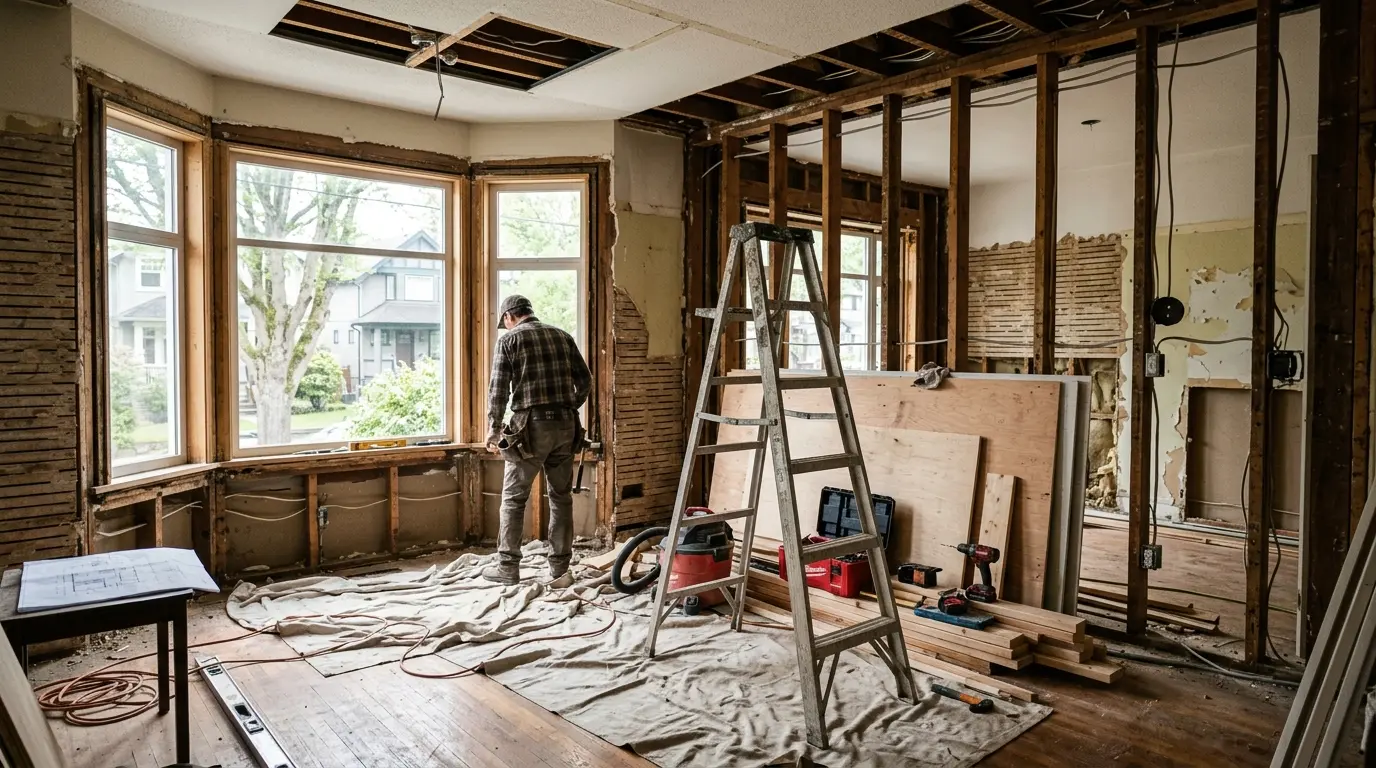
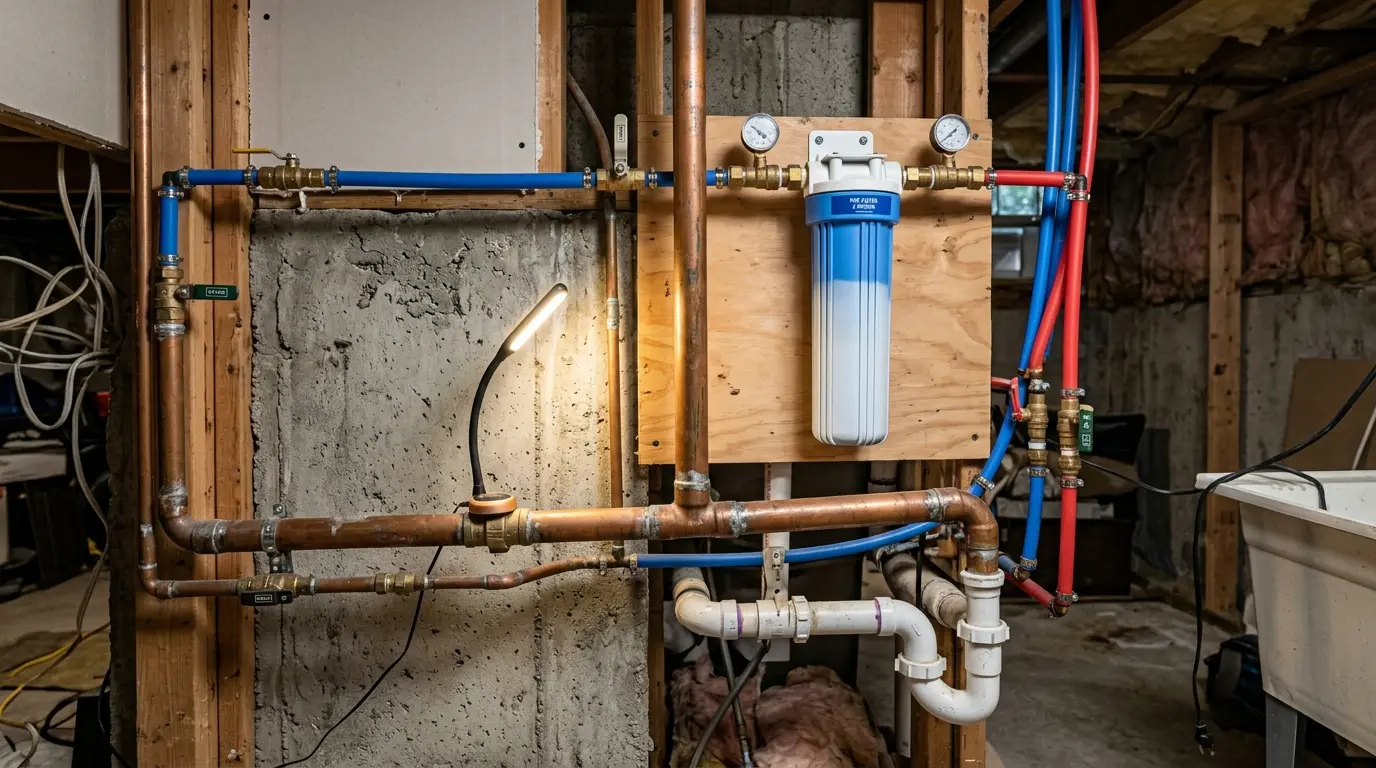
The real legal line isn’t the form; it’s the common-law duty to disclose material latent defects. BCFSA’s public guidance on material latent defects defines them as defects that can’t be discovered through reasonable inspection and that make the property dangerous or potentially dangerous to occupants, or unfit for the buyer’s known purpose. The regulator’s examples go further than most people expect:
- a defect that would cost significant money to repair and isn’t visible on inspection,
- missing municipal permits for the building or renovations,
- electrical or gas work done without permits and inspections,
- outstanding notices from a local authority requiring something to be remedied.
A known buried oil tank is the classic Vancouver example — invisible, hazardous, expensive, and squarely within the disclosure duty.
Two things make this duty real rather than theoretical. First, it exists whether or not a PDS is ever filled out — “we didn’t do the form” does not erase the obligation to disclose known hidden defects. Second, realtors are independently bound: under Section 59 of the Real Estate Services Rules, if a seller won’t disclose a material latent defect, the seller’s own licensee must disclose it anyway — and if instructed to stay silent, must stop acting for that seller. That rule quietly does a lot of consumer protection work in this province.
What Sellers Don’t Have to Tell You
The flip side: BC remains a caveat emptor — buyer beware — jurisdiction for patent defects, the problems a reasonable inspection would reveal. Cracked tiles, a visible water stain, a roof at the end of its life, the slope in the hallway floor: those are yours to find. The Alpine Legal guide draws the line cleanly — sellers can’t actively conceal problems (papering over a crack crosses into misrepresentation), but they’re not obligated to volunteer a list of visible flaws.
This is why “the seller never mentioned the roof” goes nowhere legally if the roof’s condition was observable. The disclosure regime protects you from what you couldn’t have found — not from what you didn’t look for.
A real example: a Kerrisdale house with almost every line answered “do not know”
A buyer I was working with came to me concerned about a PDS on a Kerrisdale property where nearly every question was answered “do not know.” She wanted to know if the seller was hiding something.
In this case, probably not — and that’s the part most buyers misread. The home had passed through an estate, and the executor had never lived there. “Do not know” was an honest answer, not an evasive one. The seller could not know what they never observed. What that PDS did tell us was that every verification task fell to us: a thorough inspection, a permit search at the city, an underground tank scan, and a review of the strata documents. We priced the subjects period to cover all of it and removed subjects only after each check came back clean. The form didn’t signal a problem — it told us where to look. That’s exactly how it’s supposed to work.
How to Actually Read a PDS
The form asks the seller to answer “yes,” “no,” “do not know,” or “does not apply” across sections covering the land, services, the building, and (for stratas) the strata corporation. Questions hit the issues that sink deals: moisture and water damage, unauthorized accommodation, underground storage tanks, asbestos, past grow-op or drug-production use, building and renovation permits.
Here’s my working method with buyers, refined over hundreds of these forms:
Treat every answer as a representation of knowledge, not a fact about the house. “No” to “are you aware of any moisture problems?” means the seller says they’re not aware. It is not a certificate that the basement is dry.
Take “do not know” seriously — as workload, not as suspicion. Estate executors and investor-landlords answer “do not know” honestly and often. Each one transfers a verification task to you: the inspection, the permit search at the city, the tank scan, the strata document review.
Cross-examine the confident answers. The answer that should raise your eyebrow is the crisp “no” on something a seller of that profile couldn’t reliably know — a two-year owner declaring a 1955 house has never had moisture issues, say. Honest forms have texture; suspiciously clean forms are uniform.
Watch for the questions left blank. BCREA’s own updated guidance to realtors flags blank or partially completed forms as a risk area. A skipped question on an otherwise complete form is worth a direct, written follow-up before subject removal.
Get it incorporated into the contract. When the PDS is attached to and forms part of the contract of purchase and sale, the seller’s statements become terms you can sue on if they prove false — BCREA’s Legally Speaking commentary on disclosure treats an unqualified “no tank”-style statement incorporated into a contract as a warranty. Your realtor should be making the incorporation explicit, not assuming it.
If Non-Disclosure Burns You Anyway
Remedies exist, with the usual litigation caveats. Before completion, a discovered misrepresentation can support walking away or renegotiating. After completion, the Alpine Legal guide outlines the path: damages measured by repair cost or diminished value, and in serious cases rescission — unwinding the sale. Fraudulent concealment (the painted-over crack) strengthens a claim considerably.
But be clear-eyed: suing a seller is slow, expensive, and uncertain, and you carry the burden of proving they knew. Every hour of due diligence before subject removal is worth ten after completion. The PDS’s highest value isn’t as future evidence — it’s as a map of exactly what to verify now.
Key Takeaways
- The PDS is a voluntary BCREA form — no BC law requires sellers to complete one. Estate, court-ordered, and foreclosure sales often legitimately come without one.
- What’s mandatory is disclosing material latent defects: hidden problems making a home dangerous or unfit, including missing permits and unpermitted electrical or gas work.
- If a seller won’t disclose a material latent defect, their own realtor must — or must stop acting for them (Real Estate Services Rules, s. 59).
- Patent (visible) defects remain buyer-beware: inspect, because nobody is obligated to point at the obvious.
- Answers are statements of the seller’s knowledge, not facts about the house. Incorporate the PDS into the contract so the key answers become enforceable warranties.
Frequently Asked Questions
Is a Property Disclosure Statement mandatory in BC?
No. No BC legislation requires a seller to complete a PDS — it’s a standard form provided by BCREA and used by convention in most represented sales. What is mandatory, form or no form, is the common-law duty to disclose known material latent defects: hidden problems that make the property dangerous or unfit for its purpose.
What counts as a material latent defect in BC?
A defect that a reasonable inspection wouldn’t reveal and that makes the property dangerous or unfit — plus, per BCFSA guidance, defects that would cost substantial money to fix, missing building permits, unpermitted electrical or gas work, and unresolved orders from local authorities. Known buried oil tanks are a classic example.
Can I rely on a “no” answer in the PDS?
Only as a statement of what the seller claims to know. A “no” to moisture problems means the seller says they aren’t aware of any — not that none exist. For answers that would change your decision, verify independently, and have the PDS incorporated into the contract so material answers become warranties.
What if the seller answered “do not know” to everything?
It’s often legitimate — executors, landlords, and short-tenure owners may genuinely not know. It isn’t evidence of hiding something, but it shifts all verification onto you: inspection, municipal permit search, tank scan, and strata documents. Price your subjects period accordingly.
What can I do if a seller hid a defect and I’ve already completed?
Document everything and talk to a real estate lawyer promptly. Post-completion remedies include damages (repair costs or diminished value) and, in serious cases, rescission of the contract. Claims are strongest where you can show the seller knew of the defect and concealed or misrepresented it — which is why written answers and an incorporated PDS matter so much.
Sources
- BCFSA — Material Latent Defects (public guidance)
- BCFSA — Updates to Disclosures and Material Latent Defects Guidance
- BCREA — Legally Speaking #589: Property Disclosure and Non-Disclosure
- Alpine Legal — Seller Disclosure Requirements in BC
Information current as of June 2026 and general in nature — not legal advice. Disclosure obligations turn on specific facts; consult a BC real estate lawyer about your situation.
Next Steps: Work with Rain City Properties
A PDS is only as useful as the questions you ask after reading it. When I work with buyers, we go through the form line by line, flag the three or four answers that actually matter for that specific property, and build the subjects and verification plan around them — inspection, permits, scans, strata documents. If you’re heading into an offer and want that level of reading on your side, start with our buyers guide or our walkthrough of what happens after your offer is accepted.
Contact Greyden Douglas directly at (604) 218-2289 or book a call to discuss your Vancouver real estate goals.
Related Vancouver real estate pages
Continue with local service pages, neighbourhood guides, and actionable resources related to this topic.