Quick answer: Vancouver strata corporations insure building structure and common areas, but personal belongings, renovations, liability, additional living expenses, and — most critically — deductible assessments are the owner's responsibility. With BC strata deductibles now routinely $100K-$250K+, personal condo insurance with adequate loss assessment coverage is essential.
Your strata corporation's insurance leaves dangerous gaps that could cost you six figures. Here's what every Vancouver condo owner needs to know about personal condo insurance, deductible assessments, and the coverage that actually protects you.
Want a free assessment for your property?
Leave your name and phone — Greyden will call you back with a personalized market snapshot. No spam, no drip campaigns.
Join 1,000+ Vancouver homeowners. No spam, unsubscribe anytime.
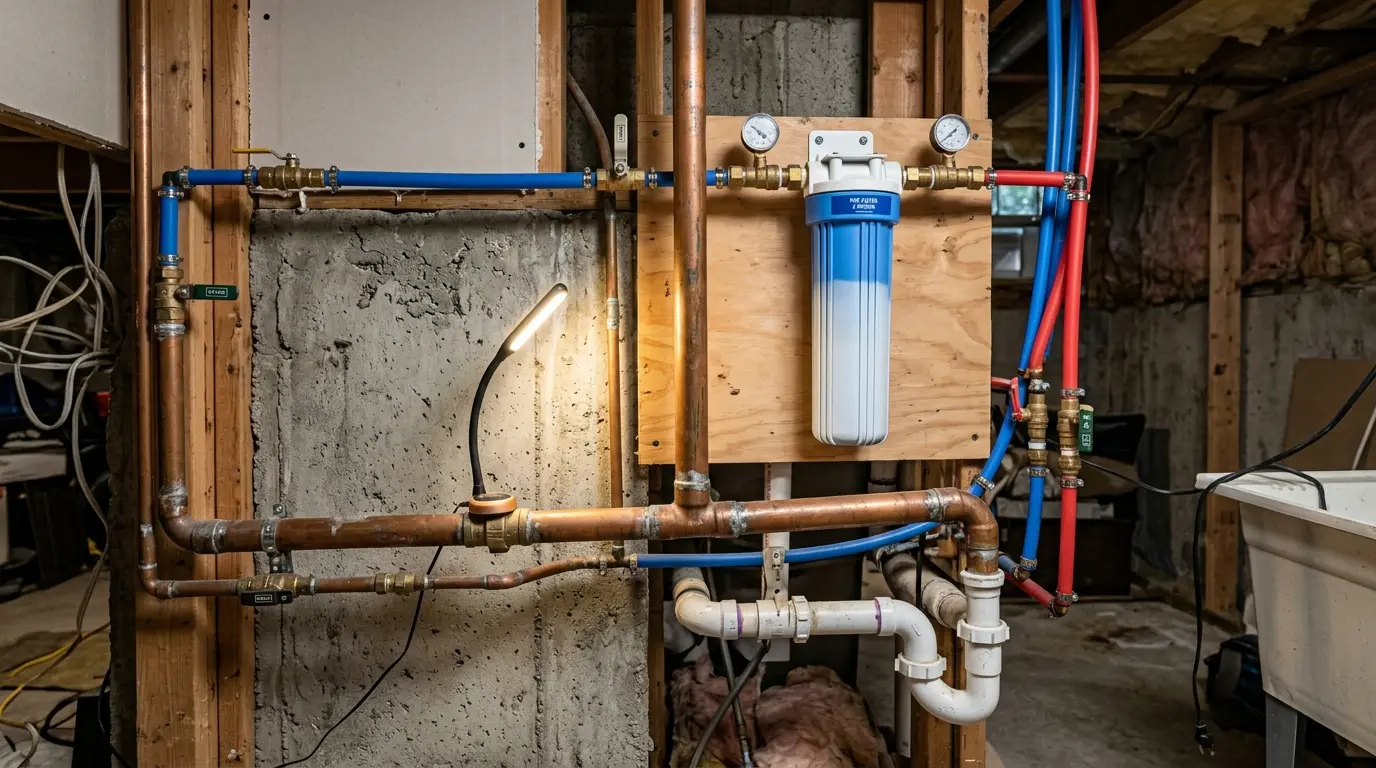
I had a client in Yaletown — let’s call him Mark — who closed on a beautiful one-bedroom in a glass tower. Move-in day was perfect. Six weeks later, a braided stainless-steel dishwasher supply line in his unit failed while he was at work. Water ran for hours, flooding his unit and two units below.
The strata corporation’s insurer handled the building claim. Then came the letter: Mark was being assessed the building’s water damage deductible. The amount? $175,000.
Mark had condo insurance. But his loss assessment coverage maxed out at $25,000. He was personally on the hook for $150,000 — because he assumed the strata’s insurance had him covered.
This is the stuff that keeps me up at night for my clients. And it’s happening more than you’d think.
Your Strata’s Insurance Is Not Your Insurance
This is the single biggest misconception I see among Vancouver condo buyers and owners. People pay strata fees, see “insurance” as a line item in the operating budget, and assume they’re covered. They’re not. Not even close.
There are two completely separate insurance policies at play when you own a condo in BC:
The strata corporation’s policy covers:
- Building structure (walls, roof, foundation)
- Common areas (lobbies, hallways, elevators, amenity rooms)
- Original fixtures and finishes as they were when the building was first constructed
- The strata corporation’s liability
Your personal condo insurance policy covers:
- Your personal belongings (furniture, electronics, clothing)
- Any upgrades or renovations you’ve made to your unit
- Your personal liability if someone is injured in your unit
- Additional living expenses if you’re displaced
- Loss assessment coverage — the deductible the strata can charge back to you
Under the BC Strata Property Act (Sections 149-162), strata corporations must maintain property insurance covering common property, common assets, and buildings shown on the strata plan for their full replacement value. They must also carry a minimum of $2 million in liability insurance. But that’s the strata’s coverage — not yours.
Section 161 of the Act specifically preserves an owner’s right to obtain their own supplemental insurance. It’s not optional. It’s survival.
The BC Strata Deductible Crisis: Why This Matters More Than Ever
Here’s where the math gets scary.
Before 2019, strata building insurance deductibles in BC typically ranged from $5,000 to $25,000. If a water leak in your unit damaged the building, the strata might assess you $10,000 or $15,000. Painful, but manageable.
Then the market shifted. Hard.
According to BCFSA data reported by Eli Report, over 60% of BC strata corporations now face deductibles exceeding $50,000 — up from just 15% in 2020. Water damage deductibles commonly sit between $100,000 and $250,000. Some buildings carry deductibles of $500,000 or more.
The Insurance Brokers Association of BC reported that some strata buildings saw insurance cost increases between 50% and 300% upon renewal, with deductibles climbing to $250,000 and $750,000 per claim.
Why did this happen? A few factors collided:
- Water damage claims exploded — aging buildings, failing pipes, and BC’s wet climate created a claims avalanche
- Insurers pulled back — several major insurers left the BC strata market entirely
- Reduced competition — fewer insurers meant less competitive pricing
- Building age — Vancouver’s condo stock is aging, and deferred maintenance is catching up
The BC government took steps to improve transparency around strata insurance in 2020, requiring strata corporations to provide insurance information to owners and prospective buyers. But deductibles remain high, and the financial exposure for individual unit owners is real.
What Your Personal Condo Insurance Must Include
If you own a condo in Vancouver and don’t have the right personal insurance, you’re gambling with six-figure stakes. Here’s what your policy needs:
1. Contents Coverage
This protects your personal belongings — furniture, electronics, clothing, kitchenware, art. If a fire, flood, or break-in damages or destroys your possessions, contents coverage pays to replace them.
What to do: Walk through your unit and add up what it would cost to replace everything. Most people underestimate by 50% or more. A typical one-bedroom condo in Vancouver holds $40,000-$80,000 in contents. A family-sized unit can easily hold $100,000+.
2. Improvements and Betterments
Remember: the strata’s insurance covers original fixtures and finishes. If you renovated your kitchen, installed hardwood floors, upgraded your bathroom, or put in custom closets — none of that is covered by the strata’s policy.
What to do: Document every upgrade you’ve made with receipts and photos. Insure the full replacement cost of your improvements. That $60,000 kitchen renovation disappears if you don’t.
3. Personal Liability ($2 Million Minimum)
If a guest slips in your bathtub and breaks their hip, or your balcony planter falls and injures someone below, you need liability coverage. The strata’s $2 million liability policy protects the strata corporation — not you personally.
What to do: Carry at least $2 million in personal liability. In a city where a serious injury lawsuit can easily exceed $1 million, this is non-negotiable.
4. Loss Assessment Coverage — The Big One
This is the coverage that would have saved Mark $150,000. Loss assessment coverage (also called deductible assessment coverage or strata deductible coverage) pays when the strata corporation assesses you for the building insurance deductible.
As Working Ventures Insurance explains: “If a loss originates in your unit, the strata corporation may require you to pay the deductible, even if you weren’t negligent. Without proper deductible assessment coverage in your unit policy, this cost could come out of your pocket.”
What to do: Check your building’s current insurance deductible — it’s in the annual insurance summary your strata is required to provide. Then make sure your loss assessment coverage matches or exceeds that number. If your building’s water damage deductible is $250,000, you need $250,000 in loss assessment coverage. Period.
5. Additional Living Expenses
If your unit becomes uninhabitable due to a covered loss — fire, flood, major repair — this covers your temporary housing costs. In Vancouver, where a comparable rental can run $2,500-$4,000/month, displacement costs add up fast.
What to do: Make sure your policy covers at least 12 months of additional living expenses. Some claims take that long to resolve.
How Much Does Personal Condo Insurance Cost in Vancouver?
Personal condo insurance in Vancouver typically runs between $30 and $150 per month, depending on:
- Your unit size and location
- Contents value
- Amount of improvements/betterments
- Loss assessment coverage limit (this is the big variable)
- Your deductible amount
- Claims history
According to InsureBC, the average condo insurance cost in BC is around $339 per year — but that average reflects basic coverage. Once you add adequate loss assessment coverage to match a $100,000+ building deductible, expect to pay more.
A solid policy with $250,000 in loss assessment coverage, $2 million liability, and reasonable contents coverage might run $80-$150/month. That’s $960-$1,800 per year.
Compare that to a single $175,000 deductible assessment. The math is obvious.
Water Damage: Vancouver’s Number One Condo Claim
Water damage is the leading cause of insurance claims in Vancouver condos, and it’s not close. The combination of aging buildings, BC’s heavy rainfall, and densely packed units creates a perfect storm — sometimes literally.
Common water damage scenarios:
- Failed supply lines — dishwasher hoses, washing machine connections, toilet supply lines. These braided stainless-steel hoses have a lifespan, and when they fail, water runs until someone notices.
- Aging pipes — buildings 20+ years old often have copper or galvanized pipes nearing end of life. A pinhole leak in a wall can run for days before it shows.
- Upstairs neighbours — overflowing bathtubs, forgotten running taps, balcony drains clogged with leaves. You can do everything right and still get flooded from above.
- Hot water tanks — when these fail, they dump 40-60 gallons on your floor instantly.
- Toilet wax seals — a $5 part that, when it fails, can cause thousands in damage.
Here’s the part that makes your stomach drop: even if the water damage originates from a unit above yours and damages your unit, the strata may assess the responsible unit’s owner the full building deductible. If that person doesn’t have loss assessment coverage, they’re personally liable for $100,000-$250,000. If the damage to your unit isn’t covered by the strata’s claim (because it’s your personal contents or improvements), you’re claiming on your own policy.
Prevention tip: Replace flexible supply hoses every 5-7 years, even if they look fine. A $15 hose replacement beats a $175,000 deductible assessment.
How to Read Your Strata’s Insurance Summary
Every strata corporation in BC is required to provide an annual insurance report to owners. When you’re buying a condo, you should review the strata’s insurance documents as part of your due diligence on strata documents. Here’s what to look for:
Deductible Schedule
The most important page. Look for:
- Water damage deductible — this is usually the highest and most likely to affect you
- All-perils deductible — the general deductible for other types of claims
- Earthquake deductible — typically 10-15% of the building’s insured value (this can be millions)
Coverage Limits
- Is the building insured for full replacement value?
- Are there any coverage exclusions or limitations?
- Has coverage been reduced from previous years? (A red flag for affordability issues)
Premium History
- How much have premiums increased year over year?
- Significant annual increases suggest the building has claims history or risk factors that make insurers nervous
Claims History
- How many claims in the past 5 years?
- What types of claims? (Multiple water damage claims are a warning sign)
- Buildings with frequent claims face higher premiums and deductibles at renewal
Bylaw on Deductible Chargebacks
Some strata corporations have bylaws that assign the deductible to the unit owner responsible for the damage. Others spread it across all owners. Know which approach your building takes — it affects how much loss assessment coverage you need.
The Bare Land Strata Difference
If you’re looking at a townhome in a bare land strata development, the insurance picture is completely different — and you need to understand this before you buy.
In a standard strata (like a condo building), the strata corporation insures the entire building. In a bare land strata, the strata corporation typically only insures common property — things like shared roads, clubhouses, water systems, and sanitation infrastructure.
According to BC’s strata housing guidelines, individual homes in bare land developments typically aren’t shown on the strata plan and aren’t covered by the strata corporation’s insurance — unless the corporation has specifically assumed responsibility for them.
What this means: If you own a townhome in a bare land strata, you likely need your own full building insurance policy — not just a condo unit policy. This is a fundamentally different (and more expensive) insurance requirement. Your mortgage lender will require it, and the coverage you need mirrors what a detached homeowner would carry.
If you’re considering a townhome purchase, our condo buying guide covers the strata-specific considerations you’ll want to understand.
Real Scenarios That Should Make You Check Your Policy Tonight
These are composites based on situations I’ve encountered or heard about from colleagues in the Vancouver market:
The Renovation Gap
A couple in Mount Pleasant spent $85,000 renovating their condo — new kitchen, new bathroom, hardwood throughout. A fire in the unit next door triggered the sprinkler system, which flooded their unit. The strata’s insurance covered the original finishes. Their $85,000 in renovations? Gone. Their personal condo policy had $15,000 in improvements coverage. They were out $70,000.
The Assessment Surprise
An investor with a rental condo in Burnaby received a $125,000 deductible assessment after a pipe burst in their tenant’s unit. The investor had basic landlord insurance with $10,000 in loss assessment coverage. The tenant had no renter’s insurance. The investor had to take out a line of credit to pay the assessment.
The Liability Nightmare
A condo owner hosted a dinner party. A guest tripped on an area rug, fell, and suffered a serious back injury. The lawsuit was settled for $800,000. The strata’s liability insurance? It covers the strata corporation, not the individual owner. Without personal liability coverage, this owner would have been personally responsible for the full settlement.
Steps to Protect Yourself
Here’s the action plan I give every condo buyer and owner I work with:
-
Get your building’s current insurance summary. Request it from your strata council or property manager. Review the deductible schedule — especially the water damage deductible.
-
Match your loss assessment coverage to the building’s deductible. If the building’s water damage deductible is $200,000, your loss assessment coverage should be at least $200,000. This is the single most important number in your personal condo policy.
-
Document and insure your improvements. Keep receipts and photos of every upgrade. Make sure your improvements/betterments coverage reflects the actual replacement cost.
-
Carry $2 million minimum liability. In a litigious world, $1 million isn’t enough.
-
Do a contents inventory. Walk through your unit room by room. Add it up. Then add 20% because you forgot things. Insure that number.
-
Review your coverage annually. Building deductibles change at renewal. Your coverage should change with them.
-
Budget for insurance in your ownership costs. When you’re calculating whether you can afford a condo, add $80-$150/month for proper insurance. It’s as essential as your strata fees.
-
Replace supply hoses and check your hot water tank. Prevention is always cheaper than claims. If your building is 15+ years old, ask your strata council about the building’s re-piping timeline.
Frequently Asked Questions
Is personal condo insurance legally required in BC?
No — there’s no law requiring individual condo owners to carry personal insurance. However, your mortgage lender will almost certainly require it as a condition of financing. And even if you own your unit outright, going without insurance is a gamble no reasonable person should take when a single deductible assessment can exceed $200,000.
How do I find out my building’s insurance deductible?
Your strata corporation is required to provide insurance information to owners. Request the annual insurance report from your strata council or property management company. You can also find deductible information in the strata’s Form B Information Certificate, which is part of the document package you receive when buying. For a deeper look at what to review in strata documents, see our guide on strata documents to review before buying.
Can the strata really charge me $100,000+ for a deductible?
Yes. Under Section 158 of the BC Strata Property Act, deductible payments are treated as common expenses. The strata can pay from the contingency reserve fund or levy the cost to owners — and many strata bylaws assign the deductible to the owner whose unit caused the damage. With water damage deductibles now commonly in the $100,000-$250,000 range, this is a real and present risk for every condo owner in Vancouver.
Does my landlord’s insurance cover me if I’m renting a condo?
No. Your landlord’s insurance covers the unit owner’s interests — their improvements, their liability, their loss assessment exposure. As a tenant, you need your own renter’s insurance to protect your personal belongings, your liability, and your additional living expenses if the unit becomes uninhabitable.
Sources
- Insurance for Strata Corporations — Province of British Columbia
- Strata Property Act, Part 9: Insurance (Sections 149-162) — BC Laws
- Strata Deductibles: What Are They, What To Do, & More — Eli Report
- Strata Insurance in BC: What Every Strata Owner Needs to Know — Working Ventures Insurance
- Condos & Strata Insurance: Is B.C. in a Crisis? — SeaFirst Insurance
- Average Cost of Condo Insurance in British Columbia — InsureBC
- Amendments to Bring Greater Transparency to Strata Insurance — BC Government
Get Protected Before You Buy
Insurance gaps are one of the most common — and most expensive — surprises I see Vancouver condo buyers walk into. The good news? They’re entirely preventable with the right guidance.
Before you buy a condo in Vancouver, I’ll help you review the strata’s insurance documents, identify your exposure, and make sure you understand exactly what coverage you need from day one. It’s part of the due diligence that separates an informed purchase from an expensive lesson.
Contact Greyden Douglas directly at (604) 218-2289 or get in touch here to discuss your Vancouver condo search.
Related Vancouver real estate pages
Continue with local service pages, neighbourhood guides, and actionable resources related to this topic.