Quick answer: 2026 buyer-focused guide to radon in Vancouver homes — the geological context that makes Vancouver lower-risk than BC interior but not zero-risk, Health Canada's 200 Bq/m³ action level, why East Side older basement-suite homes warrant testing, the difference between short-term and long-term testing, and remediation costs.
Vancouver was long considered a low-radon zone in BC, but Health Canada's updated provincial data shows a measurable minority of East Side homes test above the 200 Bq/m³ action level. Here's what buyers should know and what testing actually costs.
Want a free assessment for your property?
Leave your name and phone — Greyden will call you back with a personalized market snapshot. No spam, no drip campaigns.
Join 1,000+ Vancouver homeowners. No spam, unsubscribe anytime.
Radon doesn’t come up much in Vancouver real estate conversations. The geological story most agents tell — accurately enough — is that the Lower Mainland sits on relatively radon-low surficial geology compared to BC’s Interior and the Prairies, and that high-radon readings are concentrated in places like Castlegar, Kimberley, and parts of the Okanagan. That’s broadly true.
But it’s not the whole story. Health Canada’s Cross-Canada Survey of Radon Concentrations in Homes and the BC Lung Foundation’s BC Radon Map both show that a measurable minority of Vancouver homes — particularly older East Side homes with basement living space — test above the 200 Bq/m³ action level. If you’re buying one of those homes, this is worth a $50 test kit and a conversation with your inspector.
The Vancouver Radon Story, Honestly
Radon is a naturally occurring radioactive gas produced by uranium in soil and rock. It enters homes through cracks in foundations, sump pumps, and unsealed floor-wall joints. It’s the second-leading cause of lung cancer in Canada after smoking, responsible for an estimated 3,200+ lung cancer deaths per year nationally per Health Canada.
Vancouver’s radon profile compared to the rest of BC:
- Lower-risk overall: Most published surveys put Vancouver’s percentage of homes above 200 Bq/m³ in the single digits — typically 2–8% depending on the survey and neighbourhood — versus 20–40% in higher-risk BC regions per the BC Lung Foundation
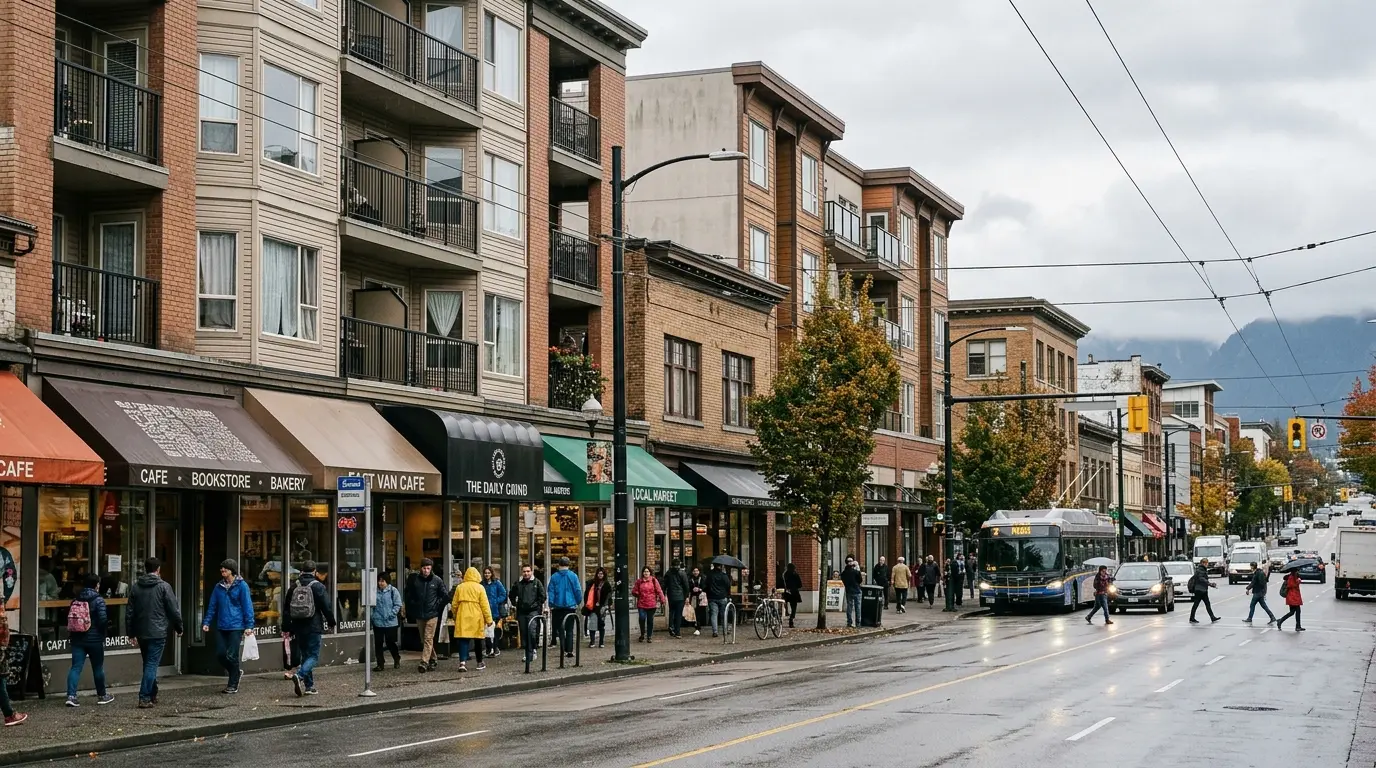
- Higher-risk pockets exist: Older East Vancouver neighbourhoods (Hastings-Sunrise, Renfrew-Collingwood, Killarney, Victoria-Fraserview) have appeared more frequently in elevated-reading datasets, particularly homes with finished basements and basement rental suites
- Newer construction generally lower: Post-2010 construction in Vancouver almost universally includes passive radon-resistant features (sub-slab membranes, sealed sump covers) required under BC Building Code provisions reflected in Vancouver’s Building Bylaw
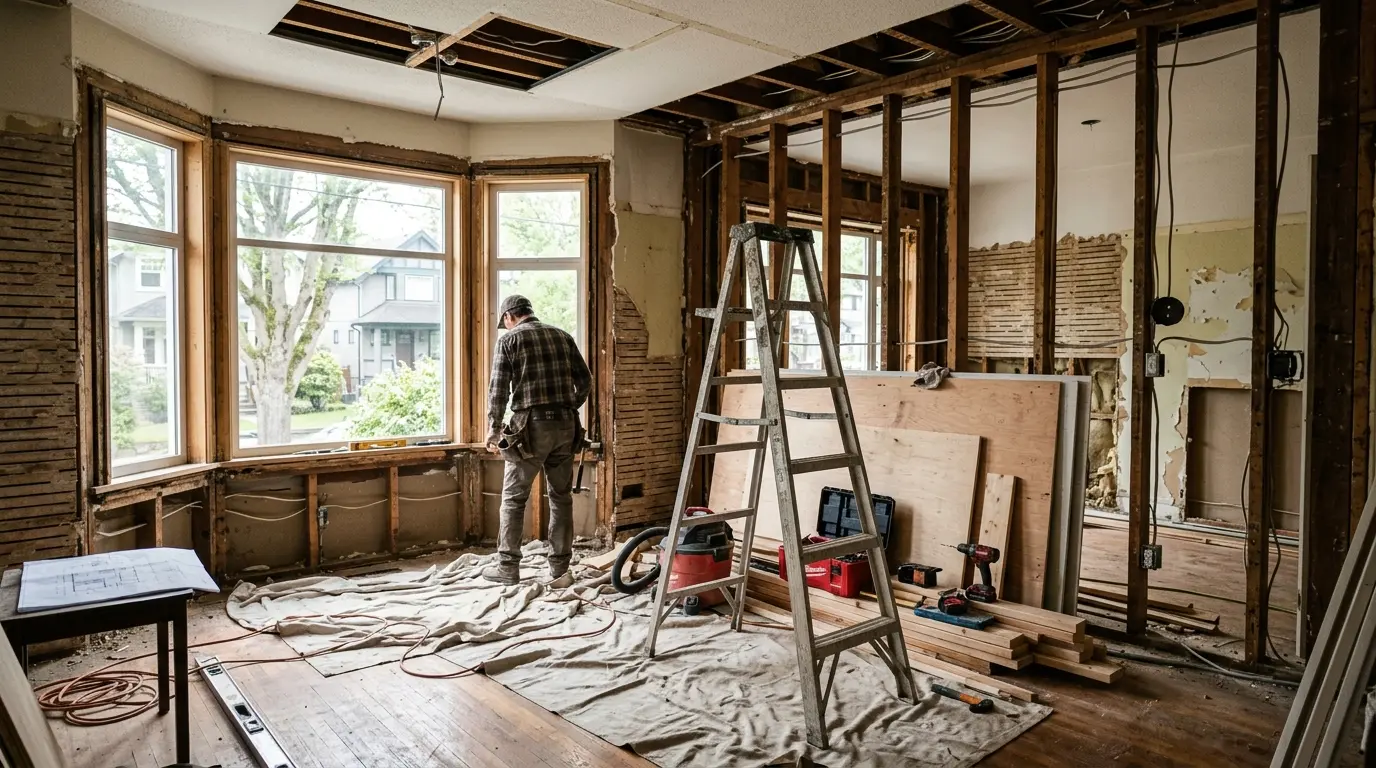
The reason East Side older homes get more attention: more pre-1980 wood-frame construction with retrofit basement suites, older slabs with hairline cracks, and decades of settling and seismic micro-movement.
What “200 Bq/m³” Actually Means
Health Canada’s current guideline says any home with annual average radon levels above 200 Becquerels per cubic metre (Bq/m³) in the living space should be remediated. (The World Health Organization recommends 100 Bq/m³ as a more aggressive threshold.)
To put 200 Bq/m³ in context: long-term exposure at that level over decades roughly doubles a lifetime lung cancer risk for non-smokers, and increases it dramatically more for smokers and former smokers. Many Vancouver homes test in the 50–150 Bq/m³ range, which Health Canada does not consider an action-level concern but where some homeowners still choose to remediate.
The catch: radon levels fluctuate seasonally, with winter levels typically 2–4x summer levels because homes are sealed and heated. A summer test missing a winter spike will under-report. This is why Health Canada recommends long-term testing (minimum 91 days, ideally 12 months) for definitive results.
Short-Term vs Long-Term Testing on a Purchase Timeline
The challenge for real estate transactions is that you typically have a 7–14 day subject removal window, not 91 days. Two practical options:
Option 1: Short-term test during subject removal
- What you get: A 2–7 day reading from an electronic continuous radon monitor (CRM) or a passive short-term test
- Cost: $150–$400 if done by a C-NRPP certified professional (Canadian National Radon Proficiency Program)
- Limitation: Short-term readings are screening only and overestimate or underestimate depending on conditions
- When useful: As a screening tool to identify obvious problems; a short-term reading above 200 Bq/m³ is a clear flag to either ask for remediation or walk
Option 2: Long-term test as a condition of closing
- What you get: A 91-day average reading using an alpha track detector ($30–$60 each)
- Cost: Roughly $50 per test kit from Take Action on Radon or local distributors
- Limitation: Result comes after closing — must be addressed via a post-closing remediation clause negotiated into the contract
- When useful: When the short-term test reads borderline (150–250 Bq/m³) or when the home’s characteristics warrant a definitive read
In my experience, a borderline short-term reading during subject removal is the most common scenario. The negotiation then becomes: does the seller install a basic sub-slab depressurization system (typically $2,500–$4,500 in Vancouver per the BC Lung Foundation’s mitigator listings), do they discount the purchase price, or does the buyer assume the risk?
What Remediation Actually Costs in Vancouver
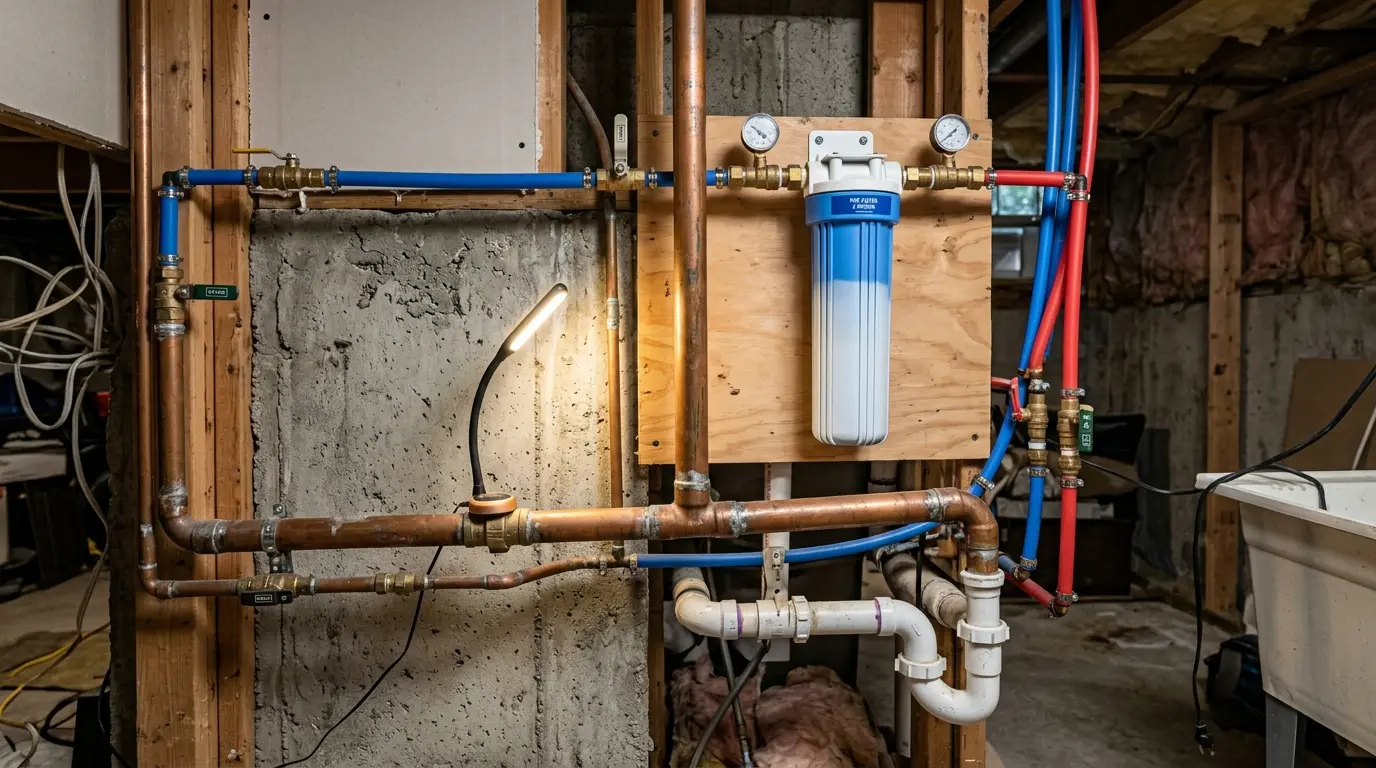
The standard remediation for an elevated reading is a sub-slab depressurization (SSD) system: a fan installed in a pipe that draws air from beneath the foundation slab and vents it above the roofline. Continuous low-volume extraction prevents radon from entering the living space.
Typical Vancouver costs in 2026:
| System type | Cost range | When used |
|---|---|---|
| Basic SSD, accessible basement | $2,500 – $4,500 | Most common scenario |
| SSD with multiple suction points | $4,500 – $6,500 | Larger or more complex foundations |
| Crawlspace membrane + extraction | $5,000 – $9,000 | Older Vancouver Specials, crawlspace-over-dirt |
| Heat recovery ventilator (HRV) augmentation | $4,000 – $8,000 | Used when SSD alone is insufficient |
Source: BC Lung Foundation’s 2025 mitigator listings and quoted Vancouver pricing from C-NRPP certified contractors. Verify with current quotes.
A properly installed SSD typically reduces radon levels by 80–95%. Post-installation testing should confirm levels are below 200 Bq/m³ (and ideally below 100 Bq/m³).
When I Recommend Testing on an Offer
I don’t ask every buyer to test for radon — it would be overkill. The profile where I push for it:
- East Vancouver pre-1980 home with a finished basement or basement suite
- Any home with the buyer planning to use the basement as a primary bedroom, home office, or rental
- Buyers who or whose family members have a personal history of lung cancer or COPD
- Homes within neighbourhoods that have appeared in the BC Lung Foundation’s elevated-readings datasets
For most modern West Side townhouses, post-2010 condos, and homes with no occupied below-grade space, the cost-benefit doesn’t justify testing during subject removal.
What This Looks Like on an Actual Offer
A typical structure I’ve used on East Side detached buys with basement suites:
- Subject to obtaining a satisfactory radon test result below 200 Bq/m³ within 5 business days
- If result exceeds 200 Bq/m³, seller to install a C-NRPP certified mitigation system before completion at seller’s cost, with post-mitigation re-test confirming reduction
- If result exceeds 400 Bq/m³, buyer reserves the right to terminate
That’s it. Sellers in Vancouver generally don’t blink at radon clauses in 2026 — they’ve become as routine as oil tank scans on East Side properties.
Key Takeaways
- Vancouver is a lower-risk radon area compared to BC’s Interior, but 2–8% of homes still test above Health Canada’s 200 Bq/m³ action level.
- Older East Vancouver homes with finished basements and basement suites are the most common elevated-reading profile in the city.
- Short-term radon tests during subject removal cost $150–$400; long-term 91-day tests cost about $50 per kit but result after closing.
- Sub-slab depressurization remediation in Vancouver typically costs $2,500–$4,500 for a standard basement and reduces levels by 80–95%.
- For East Vancouver pre-1980 homes with occupied basement space, radon testing is worth including in subject removal.
Frequently Asked Questions
Does Vancouver have a radon problem in 2026?
Vancouver overall is a lower-risk radon area compared to BC’s Interior and parts of the Prairies, with roughly 2–8% of homes testing above Health Canada’s 200 Bq/m³ action level depending on the survey and neighbourhood. Higher-risk pockets exist in older East Vancouver neighbourhoods, particularly homes with finished basements and basement suites.
How much does a radon test cost during a Vancouver home purchase?
A professional short-term radon screening test during subject removal costs $150–$400 from a C-NRPP certified contractor. A long-term 91-day alpha-track test kit costs roughly $50 but provides results after closing, which requires negotiating remediation provisions into the contract.
What does radon remediation cost in Vancouver?
A standard sub-slab depressurization (SSD) system in a typical Vancouver basement costs $2,500–$4,500 installed by a C-NRPP certified mitigator in 2026. More complex installations involving crawlspaces, multiple suction points, or HRV augmentation can run $5,000–$9,000. Post-installation testing should confirm levels below 200 Bq/m³.
Should I include a radon clause in my Vancouver offer?
For East Vancouver homes built before 1980 with finished basements or basement suites, yes — the marginal cost and time impact is low and the downside protection is meaningful. For most modern West Side townhouses, post-2010 condos, and homes without occupied below-grade space, the cost-benefit usually doesn’t justify it.
Sources
- Health Canada — Radon Information
- Health Canada — Cross-Canada Survey of Radon Concentrations
- BC Lung Foundation — BC Radon Map and Resources
- Canadian National Radon Proficiency Program (C-NRPP)
- Take Action on Radon
- City of Vancouver Building Bylaw
Data sourced May 2026. Radon survey results and mitigation pricing are updated periodically. Verify with C-NRPP and the BC Lung Foundation for current data.
Next Steps: Work with Rain City Properties
Radon is one of those due-diligence items that almost never matters — until it does. On the right East Side home, it’s a $200 test and a real piece of information. On the wrong home, ignoring it means breathing it for the next 20 years. I’ve started including it as a standard checklist item for East Vancouver detached buyers with basement living space; happy to walk you through whether it makes sense for your specific purchase.
Contact Greyden Douglas directly at (604) 218-2289 or book a call to talk through your East Vancouver buying strategy.
Related Vancouver real estate pages
Continue with local service pages, neighbourhood guides, and actionable resources related to this topic.