Quick answer: A 2026 buyer-focused guide to BC strata insurance deductibles in Vancouver — typical $100K-$250K water deductibles, how chargeback rules work after the 2022 Strata Property Act amendments, what to look for on the Form B, and how to size personal condo insurance to cover the gap.
Strata insurance premiums have stabilized since the 2020 crisis, but water-damage deductibles in Metro Vancouver buildings still routinely sit at $100,000 to $250,000. Here's what owners and buyers should actually do about it in 2026.
Want a free assessment for your property?
Leave your name and phone — Greyden will call you back with a personalized market snapshot. No spam, no drip campaigns.
Join 1,000+ Vancouver homeowners. No spam, unsubscribe anytime.
Strata insurance in BC stopped being front-page news a couple of years ago, and most buyers I work with assume the crisis is over. It is not. Premiums have flattened. Deductibles have not. A single overflowing toilet on the 18th floor of a Yaletown tower can still leave the owner of that unit staring at a $100,000 to $250,000 chargeback, and a lot of people sign offers without ever pulling the policy.
This is the part of buying a condo that no one wants to read. So let me make it short, specific, and Vancouver-2026.
What “Deductible” Means When You’re Buying a Vancouver Condo
The strata corporation buys one master insurance policy on the building. That policy has a deductible — the amount the strata has to pay before insurance kicks in. After 2022 amendments to BC’s Strata Property Act, the strata can charge that deductible back to a single owner only if the loss “originated in” that owner’s strata lot — and only if the owner was “responsible” for the loss, which the courts have been narrowing.
In plain English: if your dishwasher hose pops at 3 a.m. and floods six units below you, the strata’s insurer pays out, and the strata sends you the deductible. Whether it’s $25,000 or $250,000 depends entirely on what the strata’s policy says.
According to the Condominium Home Owners Association of BC’s 2025 insurance survey, water-damage deductibles in Metro Vancouver high-rises commonly sit between $100,000 and $250,000, with some older buildings still at $50,000 and a handful of repeat-loss buildings pushing above $250,000. Earthquake deductibles are a separate category — typically 10–20% of the insured value of the building, which on a $50M tower is $5–10 million spread across all owners.
Read the Form B Before You Write the Offer
In BC, the Form B Information Certificate is the document a buyer’s REALTOR® must request from the strata before subject removal. It includes a copy of the strata’s insurance summary. Two numbers on that page matter most:
- Water damage deductible — usually the biggest exposure
- Earthquake deductible — biggest in absolute dollars, lowest probability
If either number has jumped year-over-year, ask why. A doubled deductible usually means the building had a recent loss and the insurer renewed on harsher terms. The strata minutes (also part of the Form B package) will tell you the story.
The BC Financial Services Authority maintains a strata insurance information page that’s worth bookmarking — it walks through what each disclosure should contain and what to do if it’s incomplete.
The Personal Policy Math: Loss Assessment Coverage
Your personal condo insurance — what insurers call “unit owner” or HO-6-equivalent coverage in BC — has a line item called loss assessment or deductible assessment coverage. This is the bucket that pays the strata’s deductible if it gets charged back to you.
A common default on Vancouver condo policies is $50,000 of loss assessment. If your building’s water deductible is $250,000, you are uninsured for the $200,000 gap.
Here’s what I tell buyers, especially in older buildings or buildings with shared plumbing stacks:
- Pull the Form B and confirm the strata’s water and earthquake deductibles.
- Call your broker and quote loss assessment coverage equal to the strata’s water deductible at minimum, and ideally to the earthquake deductible too.
- Ask the broker whether your liability coverage will respond if the loss originated in your unit. Most BC personal condo policies include $2M of personal liability — usually enough, but worth confirming.
The cost difference between $50,000 and $250,000 of loss assessment coverage on a standard Vancouver condo policy is typically $50–$150 a year. That is the cheapest insurance math you will ever do.
Why the 2020 Crisis Still Echoes in 2026
Between 2018 and 2021, BC strata insurance premiums roughly doubled and deductibles in many buildings rose 5x, driven by a wave of water-damage claims, reinsurer pullbacks, and concentrated risk in BC’s high-rise stock. The province responded with the Strata Property Amendment Act, 2020 (Bill 14), which capped some pricing practices and clarified disclosure rules.
Premiums have since flattened. According to Insurance Bureau of Canada commentary in 2024–25, the BC strata market is now competitive again for well-maintained buildings, but underwriters have not lowered deductibles. They learned that smaller deductibles meant more claims, and they are not going back.
In my experience, the buildings that still get hit hardest at renewal are:
- 1990s leaky condo remediation buildings, even after envelope repair
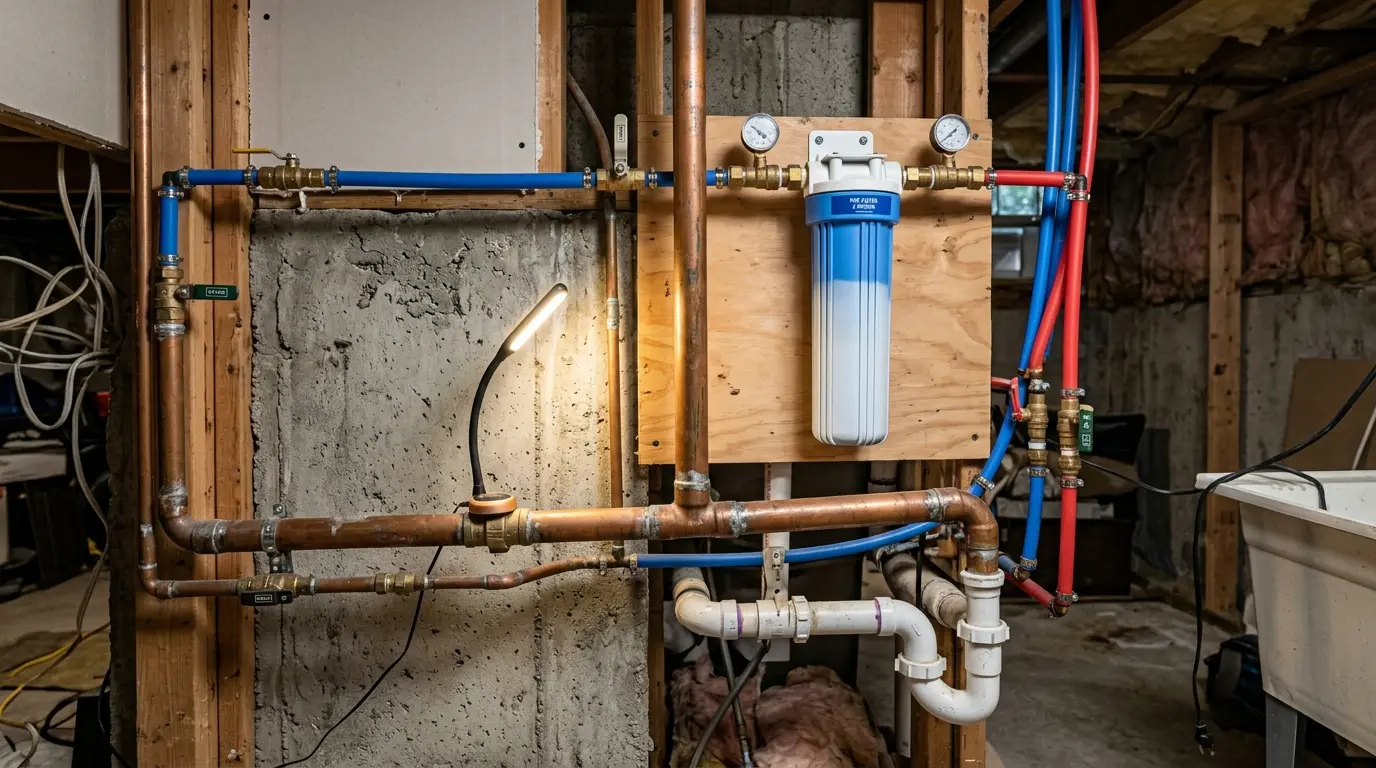
- Buildings with original galvanized or polybutylene piping
- Buildings with two or more major water claims in the last five years
- Older buildings with no recent depreciation report update
If you’re buying into any of those categories, treat insurance as a top-three due-diligence item, not a footnote.
What I Look For When Reviewing a Strata for a Client
When I read a Form B and the related strata minutes, I’m looking for a pretty short list of red flags:
- Water deductible above $100,000 with a recent claim history
- Special levy in the last 24 months tied to plumbing, roofing, or envelope
- A depreciation report that flags major component replacement in the next 5–10 years with under-funded contingency reserve
- Council minutes mentioning insurance “renewal challenges” or carriers declining to quote
None of these are deal-killers on their own. They are negotiation points and budgeting points. A building with a $250,000 water deductible and a healthy CRF is fine — you just price the personal insurance accordingly.
Key Takeaways
- BC water-damage deductibles in Metro Vancouver condos commonly sit at $100,000–$250,000 in 2026, even though the premium crisis has eased.
- The Form B in your subject-removal package contains the building’s insurance summary — read it before you commit.
- Personal condo insurance default loss assessment coverage ($25K–$50K) is almost always too low for Vancouver buildings. Match it to your strata’s water deductible.
- After the 2022 SPA amendments, the strata can charge the deductible back only if the loss originated in your unit and you were responsible — but courts are still defining “responsible.”
- Older buildings, leaky-condo remediation buildings, and repeat-loss buildings carry the highest deductible exposure.
Frequently Asked Questions
Who pays the strata insurance deductible in BC?
The strata pays it to the insurer to settle the claim. Whether they can charge it back to an individual owner depends on where the loss originated and whether that owner was “responsible.” Since the 2022 Strata Property Act amendments, strata corporations can only charge the deductible back when both conditions are met. If a pipe in a common wall fails, the strata typically eats the deductible from the contingency reserve.
How much loss assessment coverage do I need on my Vancouver condo insurance?
At minimum, match the strata’s water-damage deductible from the most recent Form B. If the building’s water deductible is $250,000, carry $250,000 of loss assessment coverage. The annual cost difference between $50K and $250K of this coverage is usually under $150 a year.
What is a typical earthquake deductible on a Vancouver strata policy in 2026?
Earthquake deductibles in BC are typically expressed as a percentage of the insured building value — most commonly 10% to 20%. On a $50M building that’s $5–10M, which gets allocated across all owners by unit entitlement. Personal earthquake assessment coverage can backstop your share, and a few BC insurers offer dedicated earthquake assessment add-ons.
Can I waive the right to see the Form B if I want to compete on offer terms?
You can, but I’d push back hard. The Form B is the single most efficient due-diligence document in a BC condo purchase. If the listing realtor won’t get one before offers are due, ask why. A buyer who waives it is taking on potentially six figures of undisclosed risk to save a few days.
Sources
- BC Strata Property Act, RSBC 1998, c. 43 — full statute including 2022 deductible chargeback amendments
- BC Financial Services Authority — Strata Insurance Information — disclosure requirements and consumer guidance
- Condominium Home Owners Association of BC — annual insurance survey and education bulletins
- Insurance Bureau of Canada — BC — provincial market commentary
- Strata Property Amendment Act, 2020 (Bill 14) — legislative response to the 2018–2021 crisis
Data sourced May 2026. Insurance terms and market conditions change frequently. Verify current figures with the strata’s most recent Form B and a licensed BC insurance broker before making decisions.
Next Steps: Work with Rain City Properties
If you’re shopping for a Vancouver condo in 2026, the Form B reading happens before you write the offer, not after. I’ve walked clients through hundreds of these in everything from Coal Harbour towers to West End walk-ups, and the buildings I steer people toward are not always the prettiest — they’re the ones where the deductible math works.
Contact Greyden Douglas directly at (604) 218-2289 or book a call to talk through a specific building’s strata insurance before you write an offer.
Related Vancouver real estate pages
Continue with local service pages, neighbourhood guides, and actionable resources related to this topic.