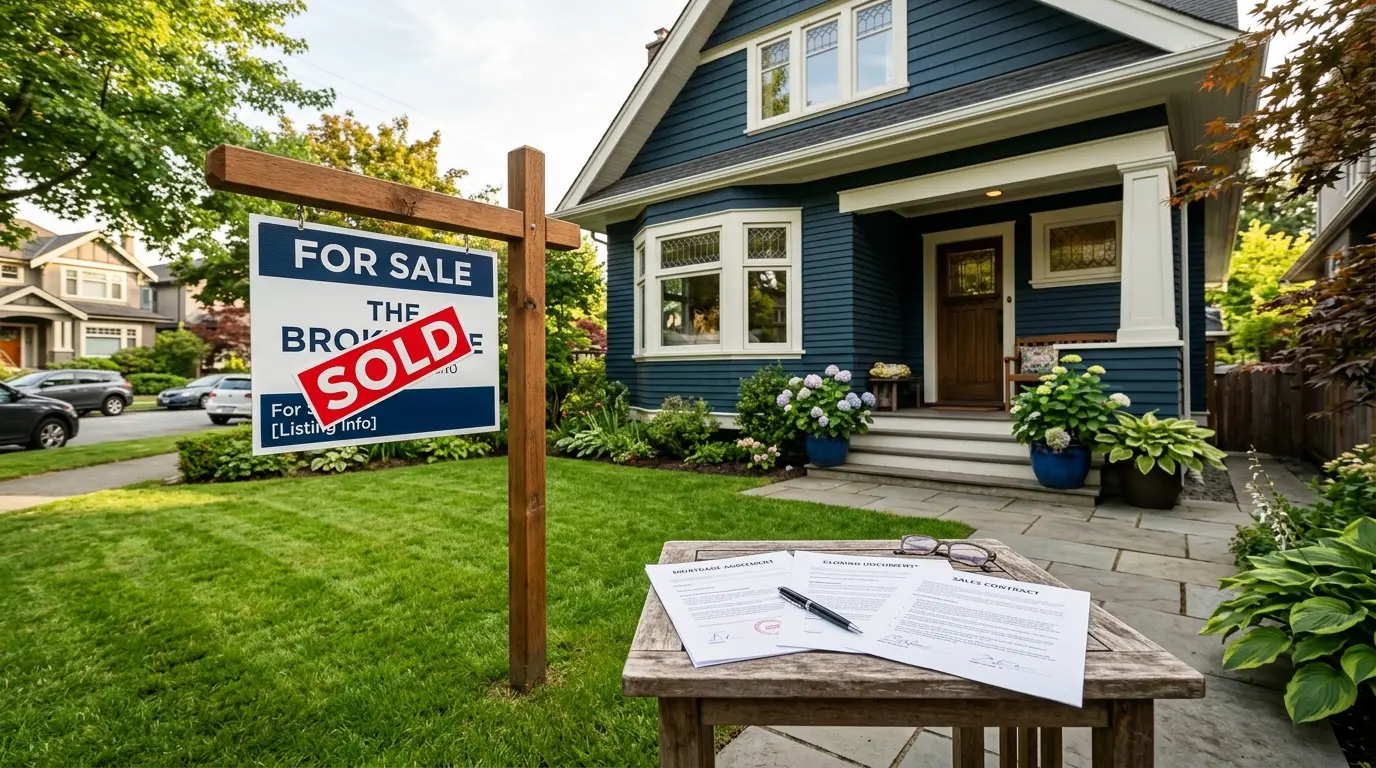
Quick answer: A 2026 guide to vendor take-back (VTB) mortgages in Vancouver, explaining how seller financing works, when it helps in a slower market, the risks for buyer and seller, typical interest and terms, how it interacts with a first mortgage, and why legal advice is essential.
A vendor take-back mortgage lets the seller finance part of the price. In a slower market it can close deals that would otherwise stall. A working realtor's honest guide to how a VTB works in Vancouver, the risks for both sides, how it sits behind a first mortgage, and why you need a lawyer.
Want a free assessment for your property?
Leave your name and phone — Greyden will call you back with a personalized market snapshot. No spam, no drip campaigns.
Join 1,000+ Vancouver homeowners. No spam, unsubscribe anytime.
A seller I worked with during a slower stretch had the same thing happen three times in a row. His home was priced fairly and showed well, but every accepted offer fell apart at the financing stage. The buyers just couldn’t get the full amount from their banks. He was frustrated, and honestly, so was I. Then we sat down and talked about a tool that comes back into use whenever the market cools: the vendor take-back mortgage.
A vendor take-back, usually shortened to VTB, is a form of seller financing. It can rescue a deal that a bank alone won’t complete, and in a slower market that’s worth real money to a seller. But it carries risk that people underestimate, and it has to be done with a lawyer and proper documents. Here’s the honest picture, for both the seller and the buyer.
What a vendor take-back mortgage is
A vendor take-back mortgage is when the seller lends the buyer part of the purchase price instead of taking all the money at closing. The buyer pays the seller back over time, with interest, under terms both sides agree to in advance.
So if a buyer can bring most of the price but is short on the rest, the seller can “carry” that remaining piece as a loan. The buyer moves in as the owner, and the seller becomes, in effect, one of the buyer’s lenders until the VTB is repaid.
It’s an old idea, and it becomes popular again whenever financing gets harder to arrange.
When it makes sense in Vancouver
A VTB tends to make sense in a slower market, and here’s why.
When homes take longer to sell and buyers struggle to line up full bank financing, a seller who’s willing to carry part of the price can do two useful things. First, they widen the pool of buyers, because a buyer who’s a bit short can now make the deal work. Second, the seller earns interest on the money they’re lending, which can be a reasonable return on funds they’d otherwise just receive in cash.
In a hot market, VTBs are much less common, because sellers can usually get full price in cash without taking on any risk. So the tool matches the moment. In 2026, with a more cautious market than the frantic years earlier this decade, it’s back on the table for some deals.
If you’re a seller trying to move a home in a slower market, our sellers’ guide covers the broader playbook, and a VTB is one option I’ll raise when it fits.
How a VTB sits behind a first mortgage
This is the mechanical part people most need to understand, so I’ll go slowly.
In most VTB deals, the buyer still gets a regular first mortgage from a bank, and the vendor take-back sits behind it as a second mortgage. That word “behind” matters. It sets the order in which lenders get paid if things go wrong.
Two things follow from this:
- The first lender usually has to agree. A bank issuing the first mortgage often needs to approve a second charge sitting behind it. Whether they’ll allow it varies by lender, so this must be confirmed with the bank, not assumed.
- Priority is set in the legal documents. The order, first mortgage first, VTB second, is registered against the property’s title and spelled out in the agreements. If the buyer defaults and the property is sold, the first mortgage is repaid in full before the VTB sees a dollar.
That last point is the heart of the risk, which brings us to each side’s exposure.
The risks for the seller
The seller’s main risk is simple: the buyer might not pay.
Because the VTB usually sits in second position behind the bank, the seller is last in line. If the buyer defaults and the home has to be sold, the first mortgage lender is paid first, and the seller recovers only what’s left over. In a falling market, or if the buyer stopped paying early, that leftover amount can be small or nothing. The seller can lose some or all of the money they carried.
This is why a seller must never do a VTB casually. Before agreeing, a seller should:
- Have a BC real estate lawyer draft the agreement and register the charge on title.
- Carefully check the buyer’s ability to pay, much as a lender would.
- Understand exactly where they sit in priority and what happens on default.
Done with these protections, a VTB is a considered business decision. Done on a handshake, it’s a way to lose serious money.
The risks for the buyer
The buyer has real considerations too.
- Interest and terms. A VTB is a loan, and the rate and terms are negotiated. They may be higher than a bank rate, since the seller is taking on more risk. The buyer needs to be sure they can carry both the first mortgage and the VTB payments.
- Two loans to service. The buyer is now paying a bank and the seller. Miss either, and there are consequences, including the possibility of losing the home.
- Clear terms. The buyer needs the agreement to be clear on the payment schedule, the interest, and what happens at the end of the term.
A buyer should get independent legal advice too. This isn’t a step to share with the seller’s lawyer. Each side needs their own.
If you’re a buyer considering a VTB because you’re short on down payment, it’s also worth understanding your full financing picture first. Our buyers’ guide walks through how financing fits into an offer, and a licensed BC mortgage broker can tell you whether a VTB is even the best route for your situation.
Interest, terms, and getting it documented
There’s no single “standard” for a VTB. The interest rate, the length of the term, the payment schedule, and the consequences of default are all negotiated between the two parties. That flexibility is part of the appeal, and part of the danger, because a poorly written agreement helps no one.
Everything must be documented properly by lawyers: the loan amount, the interest, the term, the payments, the priority behind the first mortgage, and the default remedies, all registered as a charge on title. A VTB is a real mortgage, not a favour. Treat it like one.
I’ll say this plainly, because it’s the most important line in this article: do not attempt a vendor take-back mortgage without independent legal advice on both sides. I’m a realtor, not a lawyer or a lender, and neither is any general article. A good BC real estate lawyer is not optional here. They’re what makes a VTB safe.
Key Takeaways
- A vendor take-back mortgage is seller financing: the seller lends the buyer part of the price and the buyer repays it over time with interest.
- It makes the most sense in a slower market, when buyers struggle to arrange full bank financing and a seller wants to widen the buyer pool.
- A VTB usually sits behind the bank’s first mortgage in second position, and the first lender often has to agree.
- The seller’s main risk is non-payment. In second position, if the buyer defaults, the bank is repaid first and the seller may recover little or nothing.
- The buyer must be able to carry both loans and should negotiate clear interest and terms, with their own legal advice.
- A VTB must be documented by lawyers and registered on title. Never do one on a handshake or a simple note.
Frequently Asked Questions
What is a vendor take-back mortgage?
A vendor take-back mortgage, or VTB, is when the seller lends the buyer part of the purchase price instead of taking all the money at closing. The buyer pays the seller back over time with interest, under agreed terms. It is a form of seller financing. It can help close a deal when a buyer is short on down payment or has trouble getting full financing from a bank, which happens more often in a slower market.
When does a vendor take-back mortgage make sense in Vancouver?
A VTB tends to make sense in a slower market, when homes take longer to sell and buyers may struggle to arrange full bank financing. By carrying part of the price, a seller can widen the pool of buyers and close a deal that might otherwise stall. It can also help a seller earn interest on the money they are lending. It is less common when the market is hot, because sellers can usually get full price in cash without taking on the risk.
What are the risks of a vendor take-back mortgage for the seller?
The main risk is that the buyer does not pay. Because a VTB usually sits behind the bank’s first mortgage, the seller is in second position, which means if the buyer defaults and the property is sold, the first mortgage lender is paid first and the seller only recovers what is left. The seller could lose some or all of the money they carried. This is why a seller needs a lawyer, a proper charge registered on title, and careful checks on the buyer before agreeing.
How does a VTB interact with a first mortgage?
In most cases the buyer still gets a regular first mortgage from a bank, and the vendor take-back sits behind it as a second mortgage. The first lender must usually agree to this arrangement, and the priority between the two loans is set out in the legal documents. If the buyer defaults, the first mortgage is repaid before the VTB. The bank’s willingness to allow a second charge behind it varies, so this has to be confirmed with the lender, not assumed.
Do I need a lawyer for a vendor take-back mortgage?
Yes, absolutely, on both sides. A VTB is a real loan secured against real estate, with interest, terms, priority, and default consequences that must be documented correctly. A BC real estate lawyer registers the charge on title, drafts the agreement, and protects your position. Trying to do a VTB on a handshake or a simple note is how people lose large amounts of money. Never proceed without independent legal advice.
Sources
- Financial Consumer Agency of Canada - mortgages
- BC Financial Services Authority - mortgage brokers
- Land Title and Survey Authority of BC - charges on title
- Canada Mortgage and Housing Corporation - financing a home
- People’s Law School BC - buying and selling property
Work with Rain City Properties
A vendor take-back mortgage can be the piece that closes a deal in a slower market, but only when it’s structured carefully, checked properly, and documented by lawyers on both sides. I’ve helped sellers decide whether carrying part of the price made sense for them, and connected buyers and sellers with the lawyers and brokers who make a VTB safe rather than risky. If you’re weighing one, let’s look at whether it actually fits your deal.
Contact Greyden Douglas directly at (604) 218-2289 or book a call to discuss your Vancouver real estate goals.
Frequently asked questions
What is a vendor take-back mortgage?
A vendor take-back mortgage, or VTB, is when the seller lends the buyer part of the purchase price instead of taking all the money at closing. The buyer pays the seller back over time with interest, under agreed terms. It is a form of seller financing. It can help close a deal when a buyer is short on down payment or has trouble getting full financing from a bank, which happens more often in a slower market.
When does a vendor take-back mortgage make sense in Vancouver?
A VTB tends to make sense in a slower market, when homes take longer to sell and buyers may struggle to arrange full bank financing. By carrying part of the price, a seller can widen the pool of buyers and close a deal that might otherwise stall. It can also help a seller earn interest on the money they are lending. It is less common when the market is hot, because sellers can usually get full price in cash without taking on the risk.
What are the risks of a vendor take-back mortgage for the seller?
The main risk is that the buyer does not pay. Because a VTB usually sits behind the bank's first mortgage, the seller is in second position, which means if the buyer defaults and the property is sold, the first mortgage lender is paid first and the seller only recovers what is left. The seller could lose some or all of the money they carried. This is why a seller needs a lawyer, a proper charge registered on title, and careful checks on the buyer before agreeing.
How does a VTB interact with a first mortgage?
In most cases the buyer still gets a regular first mortgage from a bank, and the vendor take-back sits behind it as a second mortgage. The first lender must usually agree to this arrangement, and the priority between the two loans is set out in the legal documents. If the buyer defaults, the first mortgage is repaid before the VTB. The bank's willingness to allow a second charge behind it varies, so this has to be confirmed with the lender, not assumed.
Do I need a lawyer for a vendor take-back mortgage?
Yes, absolutely, on both sides. A VTB is a real loan secured against real estate, with interest, terms, priority, and default consequences that must be documented correctly. A BC real estate lawyer registers the charge on title, drafts the agreement, and protects your position. Trying to do a VTB on a handshake or a simple note is how people lose large amounts of money. Never proceed without independent legal advice.
Related Vancouver real estate pages
Continue with local service pages, neighbourhood guides, and actionable resources related to this topic.