Quick answer: A Vancouver realtor's guide to air-source heat pumps in 2026: installed cost ranges for houses and condos, federal and BC rebate programs, payback math against gas heat, electrical-panel implications, and buyer due diligence on advertised heat pump installs.
Air-source heat pumps suit Vancouver's mild coast well. Here's what installation actually costs for a house versus a condo, the 2026 rebate landscape, the real payback math against a gas furnace, and what to check when a listing says 'heat pump installed.'
Want a free assessment for your property?
Leave your name and phone — Greyden will call you back with a personalized market snapshot. No spam, no drip campaigns.
Join 1,000+ Vancouver homeowners. No spam, unsubscribe anytime.
A buyer asked me last month, standing in the mechanical room of a renovated Mount Pleasant house, whether the heat pump bolted to the wall was a real selling point or just a sticker for the listing. Fair question. “Heat pump installed” shows up in more and more Vancouver listings, and it’s become one of those phrases that sounds good without telling you much.
The short answer is that heat pumps make a lot of sense in our climate. The longer answer is that the value depends entirely on how the system was chosen, sized, and installed, and on what it does to the home’s electrical setup. Those are the parts a listing photo never shows you.
I’m not an HVAC technician, and I’ll say that plainly. But I’ve walked through a lot of homes with these systems, watched a few clients install them, and seen where the surprises hide. Here’s what I tell buyers when the subject comes up.
Why heat pumps suit Vancouver
An air-source heat pump doesn’t make heat the way a furnace does. It moves heat. In winter it pulls warmth out of the outdoor air, even cold air, and pumps it inside. In summer it runs in reverse and acts as an air conditioner. One box, both jobs.
The efficiency of that trick depends on how cold it gets outside. The colder the air, the harder the unit works and the less heat it delivers per dollar of electricity. This is why heat pumps got a reputation for struggling in places with brutal winters.
Vancouver is not one of those places. Our winters are mild, grey, and wet, and the temperature rarely drops far below freezing for long. That happens to be close to ideal conditions for an air-source heat pump. The system spends most of the heating season operating in the range where it’s most efficient. Add in our warmer, smokier summers, and the built-in cooling has become something buyers genuinely want, not a nice-to-have.
So the climate question, which is the first thing people worry about, is largely settled here. The harder questions are about the specific machine and the specific house.
What installation actually costs
I’ll give ranges, and I want to be clear that they’re illustrative. Real numbers depend on the size of the home, whether ductwork already exists, the electrical work involved, and which contractor you use. Always get site-specific quotes.
A detached house
For a typical Vancouver house, a ducted air-source heat pump, the kind that uses your existing duct runs or new ones, commonly lands somewhere around $14,000 to $28,000 installed before rebates. The spread is wide because the variables are wide. A straightforward swap where good ducts already exist sits at the lower end. A larger home, a difficult layout, or significant electrical work pushes it up.
If you’re replacing an old gas furnace and keeping it as backup for the coldest snaps, that’s a common “hybrid” setup and it changes the cost picture too.
A condo or smaller space
For a condo, a townhouse, or a single zone, a ductless mini-split is the usual choice. One outdoor unit feeds one or more wall-mounted indoor heads. These often run roughly $5,000 to $12,000 depending on how many heads and how complex the run is.
In a strata, you have an extra layer: you usually need approval to mount anything on an exterior wall or balcony, and the bylaws may restrict it. That’s worth confirming early, and it’s the same kind of strata homework I’d flag when reviewing a building’s depreciation report and red flags before any purchase.
The rebate landscape in 2026
This is where people leave money on the table, because the programs stack and the rules change.
In British Columbia, the rebates for a qualifying air-source heat pump typically come from more than one place at once:
- A provincial amount through CleanBC Better Homes, the main program for residential energy upgrades.
- A utility rebate through FortisBC or BC Hydro, depending on your service.
- In some cases an income-qualified top-up for lower-income households, which can be substantially larger than the standard rebate.
The catch is that the exact amounts, the eligible equipment, and the application steps shift over time, and they often require you to use a registered contractor and pull permits to qualify. I won’t quote a specific dollar figure here, because the figure that matters is the one live on the program site the week you apply. Check the CleanBC Better Homes site and your own utility before you sign anything, and ask your installer to confirm which rebates they’ll help you claim.
One more thing buyers ask: if the previous owner already claimed the rebate, that’s their claim, not yours. You’re buying the equipment as-is.
The payback math against gas
Let’s be honest about the dollars, because I’d rather you hear it from me than feel misled later.
A heat pump runs on electricity. A gas furnace runs on natural gas. Whether the switch saves you money each year depends on the price of electricity versus gas in your area, how efficient your old system was, and how much you heat. In BC, electricity is relatively clean and historically reasonably priced, which helps the case, but gas heat is often cheap to run, which works against a fast payback.
For most Vancouver homes, swapping a working gas furnace for a heat pump is not a slam-dunk on energy savings alone. The rebates shorten the payback. The cooling you get in summer is real value that doesn’t show up in a heating bill. And if your gas furnace is at the end of its life and needs replacing anyway, the comparison shifts, because then you’re comparing the extra cost of a heat pump over a new furnace, not the whole cost.
That last point is the one I’d underline. The math is very different for “my furnace died and I’m choosing what to replace it with” than for “my furnace works fine and I’m thinking of switching.” If you’re budgeting a purchase, it’s worth running alongside your other closing and ownership costs so the whole picture is in front of you.
Sizing and the electrical panel
Here’s the part that catches people, and it’s the part I push hardest on.
A heat pump has to be sized for the house. Too small and it can’t keep up on cold days. Too large and it short-cycles, wears faster, and controls humidity poorly. Proper sizing comes from a heat-loss calculation, not a guess based on square footage. When a system is undersized, it’s usually because someone skipped that step or because the home was enlarged after the unit went in.
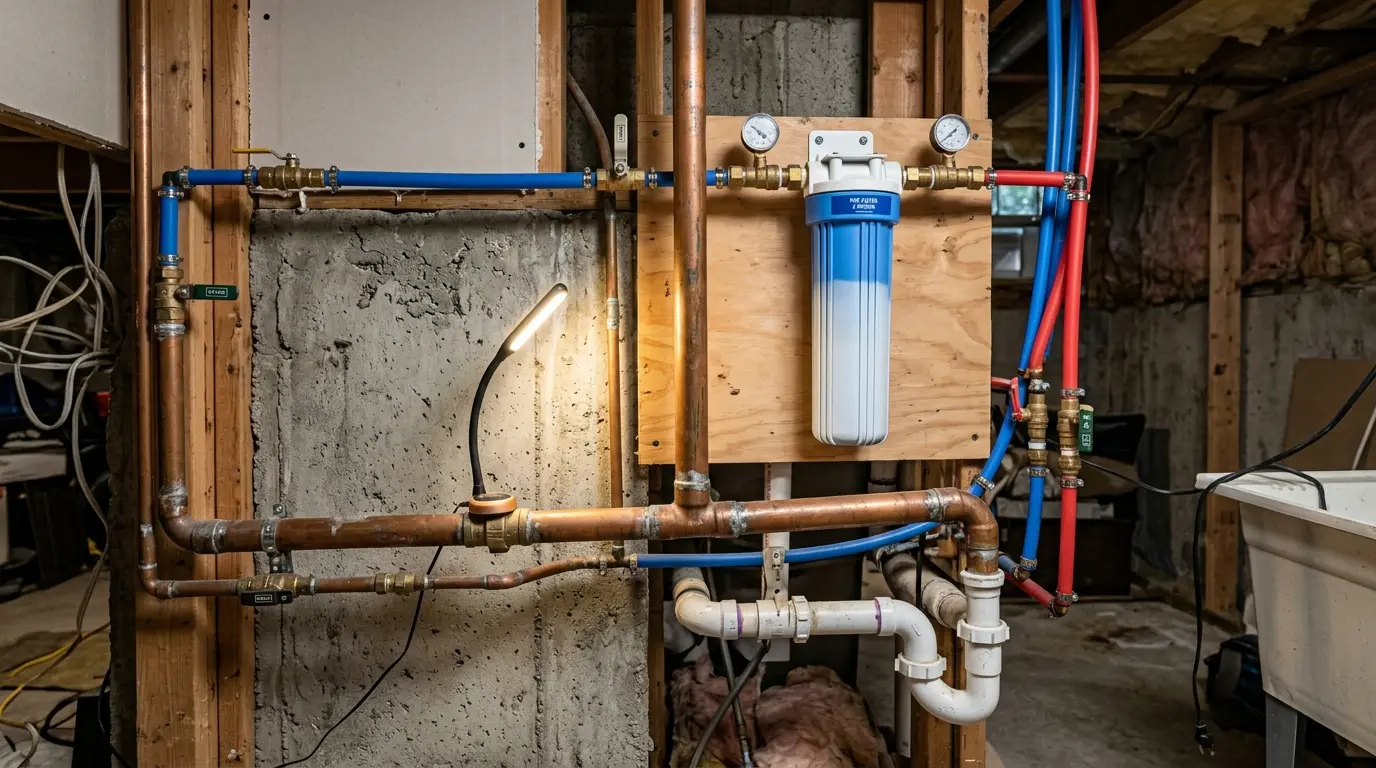
Then there’s electricity. A heat pump is an electrical load, and an older Vancouver home may be on a 100-amp panel that’s already busy with a range, a hot water tank, maybe an EV charger. There may not be room for a heat pump without upgrading the service. A panel upgrade can add several thousand dollars and sometimes involves the utility, so it’s not a same-day job.
This matters for buyers in two directions. If you’re adding a heat pump to a home you’re purchasing, budget for the possibility of a panel upgrade until an electrician says otherwise. And if the listing already advertises a heat pump, the electrical question is part of what you’re inheriting. This is the kind of mechanical detail a good inspection should surface, which is one more reason I lean on a thorough home inspection and its red flags rather than taking a listing’s word for the systems.
What to check when a listing says “heat pump installed”
When you see that phrase, treat it as a starting point for questions, not a finished answer. Here’s my short list:
- Install date and age. A heat pump has a service life. A two-year-old system and a twelve-year-old one are very different purchases.
- Brand, model, ducted or ductless. This tells you and your inspector what you’re dealing with and what parts cost.
- Who installed it, and were permits pulled? Unpermitted mechanical work is common and it’s a real flag. It can mean the install skipped inspection, and it can complicate insurance and resale later.
- Is it sized for the home? Especially if the house was renovated or expanded after the unit went in.
- Is there a backup heat source? Many Vancouver homes keep the old furnace or add electric backup for the coldest days. Know what’s there.
- Maintenance records. Filters, servicing, any repairs. A neglected system ages fast.
None of these need to kill a deal. They just change the number you should pay, or the work you budget for after closing. A few of these have walked a client’s offer down by a meaningful amount once we understood what was really on the wall.
Key Takeaways
- Vancouver’s mild, wet winters are close to ideal for air-source heat pumps, so the climate worry that holds people back elsewhere mostly doesn’t apply here.
- As rough 2026 guidance before rebates, a ducted system for a house often runs about $14,000 to $28,000, and a condo or single-zone mini-split around $5,000 to $12,000. Get site-specific quotes.
- BC rebates usually stack: a CleanBC Better Homes amount, a FortisBC or BC Hydro utility rebate, and sometimes an income-qualified top-up. Amounts and rules change, so confirm current offers before you commit.
- Switching from a working gas furnace rarely pays back on energy savings alone, but the math improves with rebates, summer cooling, and especially when your old furnace needed replacing anyway.
- Sizing and electrical capacity are where surprises live. Budget for a possible panel upgrade on older homes, and insist on proper heat-loss sizing.
- When a listing advertises a heat pump, ask for the age, model, installer, permit status, sizing, backup, and maintenance records before you assign it full value.
Frequently Asked Questions
Do heat pumps work in Vancouver’s climate?
Yes. Vancouver’s mild, wet coastal winters rarely drop far below freezing, which is close to ideal for air-source heat pumps. They lose efficiency as temperatures fall, but they handle Vancouver’s typical conditions well. Many homes here run on a heat pump alone or keep a small backup for the few coldest days.
How much does a heat pump cost to install in Vancouver?
As a rough guide in 2026, a ducted air-source heat pump for a Vancouver house commonly runs about $14,000 to $28,000 installed before rebates, depending on size, ductwork, and electrical work. A ductless mini-split for a condo or smaller space is often closer to $5,000 to $12,000. These are illustrative ranges; get site-specific quotes.
What rebates are available for heat pumps in BC in 2026?
Rebates typically combine a provincial CleanBC Better Homes amount, a utility rebate through FortisBC or BC Hydro, and in some cases an income-qualified top-up for lower-income households. Programs and amounts change, so confirm current offers on the CleanBC Better Homes site and with your utility before you commit.
Will a heat pump need an electrical panel upgrade?
Sometimes. Heat pumps run on electricity, and an older home with a 100-amp panel may not have spare capacity, especially alongside an electric range, EV charger, or hot water tank. An electrician or installer should do a load calculation. A panel upgrade can add several thousand dollars and is worth knowing about before you buy.
If a listing says “heat pump installed,” what should I check?
Ask for the install date, the brand and model, whether it is ducted or ductless, who installed it, and whether permits were pulled. Confirm it is sized for the home, ask if there is a backup heat source, and request maintenance records. An unpermitted or undersized install can mean problems and repair costs later.
Sources
- CleanBC Better Homes — provincial residential energy-efficiency rebate programs, including heat pumps.
- FortisBC rebates — utility rebates for home heating and energy upgrades.
- BC Hydro — electricity rates and residential energy programs.
- Natural Resources Canada — federal energy efficiency guidance and home energy programs.
- Technical Safety BC — electrical and gas permitting and safety in BC.
Work with Rain City Properties
Heat pumps are one of those upgrades that look simple on a listing and get complicated in the mechanical room. If you’re weighing a Vancouver home that has one, or thinking about adding one to a place you already own, I’m glad to walk through the install, the rebates, and what it’s actually worth in the price.
Contact Greyden Douglas directly at (604) 218-2289 or book a call to discuss your Vancouver real estate goals.
Frequently asked questions
Do heat pumps work in Vancouver's climate?
Yes. Vancouver's mild, wet coastal winters rarely drop far below freezing, which is close to ideal for air-source heat pumps. They lose efficiency as temperatures fall, but they handle Vancouver's typical conditions well. Many homes here run on a heat pump alone or keep a small backup for the few coldest days.
How much does a heat pump cost to install in Vancouver?
As a rough guide in 2026, a ducted air-source heat pump for a Vancouver house commonly runs about $14,000 to $28,000 installed before rebates, depending on size, ductwork, and electrical work. A ductless mini-split for a condo or smaller space is often closer to $5,000 to $12,000. These are illustrative ranges; get site-specific quotes.
What rebates are available for heat pumps in BC in 2026?
Rebates typically combine a provincial CleanBC Better Homes amount, a utility rebate through FortisBC or BC Hydro, and in some cases an income-qualified top-up for lower-income households. Programs and amounts change, so confirm current offers on the CleanBC Better Homes site and with your utility before you commit.
Will a heat pump need an electrical panel upgrade?
Sometimes. Heat pumps run on electricity, and an older home with a 100-amp panel may not have spare capacity, especially alongside an electric range, EV charger, or hot water tank. An electrician or installer should do a load calculation. A panel upgrade can add several thousand dollars and is worth knowing about before you buy.
If a listing says 'heat pump installed,' what should I check?
Ask for the install date, the brand and model, whether it is ducted or ductless, who installed it, and whether permits were pulled. Confirm it is sized for the home, ask if there is a backup heat source, and request maintenance records. An unpermitted or undersized install can mean problems and repair costs later.
Related Vancouver real estate pages
Continue with local service pages, neighbourhood guides, and actionable resources related to this topic.