Quick answer: Knob-and-tube wiring is common in pre-1950 Vancouver homes and aluminum branch wiring in roughly 1965-1975 builds; both create insurance and financing hurdles, and this guide covers where they appear, remediation cost ranges, and offer strategy.
Pre-1950 Vancouver homes often hide knob-and-tube wiring; many 1965-75 houses have aluminum branch circuits. Both can sink your insurance and your financing. Here's where each shows up, what fixes cost, and how it changes your offer.
Want a free assessment for your property?
Leave your name and phone — Greyden will call you back with a personalized market snapshot. No spam, no drip campaigns.
Join 1,000+ Vancouver homeowners. No spam, unsubscribe anytime.
A buyer called me in a bit of a panic last month. She’d had an accepted offer on a tidy little house near Trout Lake, built somewhere around 1940, and her insurance broker had just told her nobody wanted to write a policy on it. The reason was a phrase she’d never heard before that week: knob-and-tube wiring.
She wasn’t doing anything wrong. The house showed beautifully. The problem was in the basement and the attic, where the original wiring was still doing its job after eighty-some years, and that was exactly what the insurers didn’t like.
I see this often enough that I now bring it up before a client even books showings of older homes. Vancouver has a huge stock of character houses, and a lot of them carry one of two wiring problems that can derail an otherwise clean deal. One is knob-and-tube. The other is aluminum branch wiring. They come from different eras, they fail in different ways, and they both make insurers nervous.
Here’s what you actually need to know before you write an offer on an older Vancouver home.
Where you find each type of wiring
The era of the house tells you most of what you need to expect.
Knob-and-tube: pre-1950 homes
Knob-and-tube was the standard wiring method in North American homes from the early 1900s up to roughly 1950. In Vancouver that covers a big slice of the character housing in neighbourhoods like Grandview, Kitsilano, Mount Pleasant, and the older parts of the east side. You’ll recognize it by the ceramic knobs that anchor the wires to the framing and the ceramic tubes that protect the wire where it passes through joists.
It’s not inherently a fire hazard when it was installed correctly and never disturbed. The problems come from age and from what people have done to it over the decades. The original insulation can become brittle. Homeowners and handymen have spliced into it, buried it under blown-in attic insulation (which traps heat the system was never designed to handle), or connected modern high-draw appliances to circuits meant for a 1940s household.
If you’re looking at any home built before 1950, assume there may be knob-and-tube somewhere until an inspection proves otherwise. It often survives in attics, basements, and behind walls that were never renovated.
Aluminum branch wiring: roughly 1965 to 1975
The second problem belongs to a much narrower window. When copper prices spiked in the mid-1960s, builders switched to aluminum for the branch circuits (the wiring that runs to your outlets, switches, and light fixtures). In the Vancouver region you’ll find it in homes built from about 1965 to the mid-1970s, including a lot of the Vancouver Specials going up across the east side in that era. If you want the broader story on that house type, I wrote about it in my Vancouver Special buying guide.
Aluminum branch wiring isn’t a ticking bomb, but it behaves differently from copper. It expands and contracts more with heat, and it oxidizes, which means connections at outlets and switches can loosen over time and run hot. The danger is at the connection points, not in the middle of the wire.
Note that aluminum is still used today for the large service cable that brings power to the panel. That’s normal and fine. The concern is the smaller aluminum wiring running to individual devices in homes from that specific decade.
Why insurers balk
This is the part buyers underestimate. The wiring problem is really an insurance problem, and the insurance problem can quietly become a financing problem.
Many BC insurers will not write a new policy on a home with active knob-and-tube wiring. Others will, but with higher premiums, or with a condition that the wiring be removed within a set period after closing. Aluminum branch wiring gets a softer reaction, but several insurers still want written proof from a licensed electrician that the connections have been corrected before they’ll bind coverage.
Now connect the dots to your mortgage. Your lender requires the home to be insurable. If you can’t get a policy, you can’t close. I’ve watched deals fall apart at the last minute because the buyer assumed insurance was a formality and only called a broker after subjects were removed.
The fix is simple and free: confirm insurability early, ideally during your subject-removal period, the same way you’d confirm financing. A ten-minute call to an insurance broker with the year built and the wiring type can save you from a very bad week. This is the same lesson I push around oil tanks in older homes and other hidden-condition issues: the cost of asking early is nothing, and the cost of finding out late is the whole deal.
What remediation costs
I’ll give ranges here, but treat every one as illustrative. Get two or three written quotes from licensed electricians on the actual house, because access, finishes, and the size of the home swing these numbers a lot.
Knob-and-tube removal
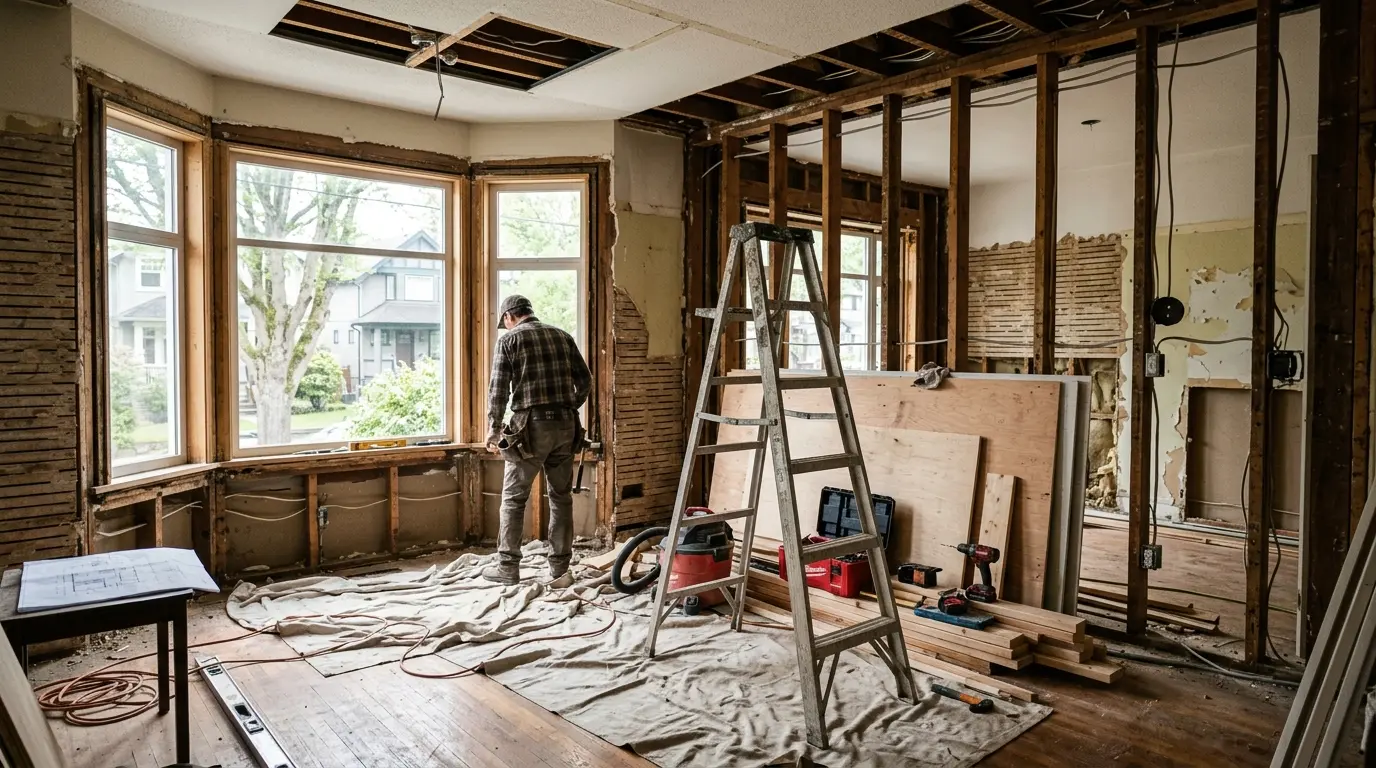
There’s no partial fix that insurers love. The accepted answer is removing the active knob-and-tube and replacing it with modern wiring. For a full rewire of a typical Vancouver house, you’re often looking at the tens of thousands of dollars, with many jobs landing in a rough range of $15,000 to $40,000 or more. Plaster-and-lath walls, finished basements, and tight attic access all push it higher because the labour is in opening up and patching the house, not the wire itself. If the electrical panel and service are also dated, add the cost of upgrading those.
Aluminum wiring correction
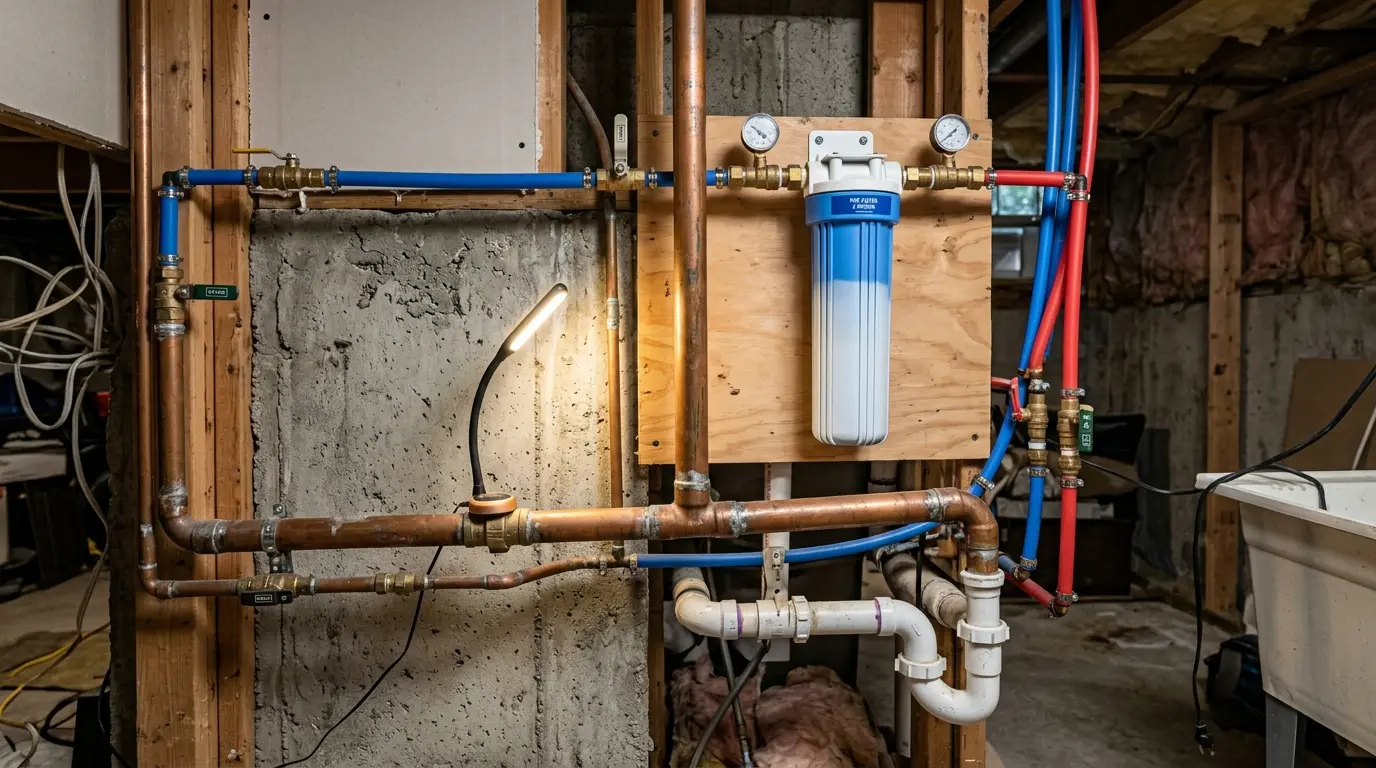
Aluminum is usually cheaper to address because you may not need a full rewire. The common approach is having a licensed electrician install approved connectors at every outlet, switch, and fixture, often called pigtailing, where a short length of copper is joined to the aluminum with a connector rated for the purpose. Because it touches every device in the house, it still adds up, but it’s typically well below the cost of a complete rewire. A full rewire is always an option if you’d rather not manage aluminum at all.
Whatever the route, the work needs an electrical permit and must meet code. In British Columbia, electrical safety, permits, and inspections fall under Technical Safety BC, and the work should be done by a licensed electrical contractor. Don’t accept “my buddy is handy” wiring on a house you’re about to insure and finance.
How it changes your offer and your inspection
When wiring is in play, your inspection and your offer strategy have to work together.
A general home inspector will often flag the presence of knob-and-tube or aluminum and recommend a specialist. That recommendation is worth following. An electrician can tell you how much is still active, what’s been abandoned in place, and what a real fix would cost. This is one of the bigger items on my home inspection red flags guide, and it’s exactly the kind of thing you want surfaced during your subject period, not after.
On the offer itself, you have a few moves:
- Price it in. If the inspection reveals knob-and-tube and you’ve got real quotes, you can ask the seller to adjust the price to reflect the remediation cost.
- Make it the seller’s job. Some sellers will agree to complete the work before closing, with proof of permit and inspection.
- Walk. If the numbers don’t work or insurability is shaky, a properly worded subject-to-inspection clause lets you leave clean.
In a market where detached benchmark prices sit near $1.85 million and buyers are stretched, an extra $30,000 of unexpected electrical work is not a rounding error. It’s worth getting right before you remove subjects. Running your full cash-to-close picture through our closing costs calculator and then layering remediation on top gives you a realistic number to negotiate from.
One more practical note: don’t let old wiring scare you off character homes entirely. Some of the best-value houses in Vancouver are older homes that need work most buyers are afraid of. If you go in with open eyes, real quotes, and confirmed insurability, that fear is often your advantage at the negotiating table.
Key Takeaways
- Knob-and-tube wiring is common in Vancouver homes built before 1950; aluminum branch wiring shows up in homes built roughly 1965 to 1975, including many Vancouver Specials.
- Knob-and-tube isn’t automatically dangerous, but age, bad splices, and being buried under insulation create real risk; aluminum’s risk is at loose, oxidizing connections at outlets and switches.
- The wiring problem is really an insurance problem: many BC insurers won’t cover active knob-and-tube, and no insurance can mean no mortgage.
- Confirm insurability with a broker during your subject-removal period, the same way you confirm financing.
- A full rewire often runs in the rough range of $15,000 to $40,000 or more (illustrative); aluminum correction by pigtailing is usually cheaper but still touches every device.
- All electrical work in BC needs a permit and must meet code under Technical Safety BC; use a licensed electrical contractor.
Frequently Asked Questions
Can you get home insurance with knob-and-tube wiring in BC?
Many BC insurers will not write a policy on a home with active knob-and-tube wiring, and those that do often charge higher premiums or require removal within a set period. Specialty or high-risk insurers may cover it at a cost. Most buyers either negotiate removal before closing or budget for a full rewire shortly after.
Is aluminum wiring dangerous in older Vancouver homes?
Aluminum branch wiring from roughly 1965 to 1975 is not automatically dangerous, but it expands, contracts, and oxidizes more than copper, which can loosen connections at outlets and switches and create heat. The accepted fix is a licensed electrician installing approved connectors (often called pigtailing with copper) at every device, or a full rewire.
How much does it cost to rewire an older house in Vancouver?
A full rewire of a typical Vancouver house commonly runs in the tens of thousands of dollars, with many projects landing in the rough range of $15,000 to $40,000 or more depending on size, access, finishes, and whether the panel and service need upgrading. Always get two or three written quotes from licensed electricians, as these figures are illustrative.
Will a mortgage lender refuse a home with knob-and-tube wiring?
Lenders rarely name wiring directly, but they require the property to be insurable. If no insurer will cover the home because of knob-and-tube wiring, financing can fall through. This is why buyers confirm insurability early, often during the subject-removal period, before committing.
Who can legally do electrical work in British Columbia?
Electrical work in BC must be done under a permit and meet the Canadian Electrical Code as adopted provincially. Technical Safety BC oversees electrical safety, permits, and inspections. Most permitted work is done by a licensed electrical contractor, though some homeowner permits exist for owner-occupied homes under specific conditions.
Sources
- Technical Safety BC — provincial oversight of electrical safety, permits, and inspections in British Columbia.
- Government of British Columbia — electrical safety and permits — provincial rules on electrical work and the BC adoption of the Canadian Electrical Code.
- Insurance Bureau of Canada — consumer information on home insurance and how property conditions affect coverage.
- Canada Mortgage and Housing Corporation (CMHC) — home buying, financing, and insurability guidance.
Work with Rain City Properties
Older Vancouver homes are some of the best buys in the city, but only if you know what’s behind the walls before you remove subjects. If you’re looking at a character house or a 1970s Vancouver Special and want a straight read on the wiring, the insurance angle, and how to write the offer, I can walk you through it.
Contact Greyden Douglas directly at (604) 218-2289 or book a call to discuss your Vancouver real estate goals.
Frequently asked questions
Can you get home insurance with knob-and-tube wiring in BC?
Many BC insurers will not write a policy on a home with active knob-and-tube wiring, and those that do often charge higher premiums or require removal within a set period. Specialty or high-risk insurers may cover it at a cost. Most buyers either negotiate removal before closing or budget for a full rewire shortly after.
Is aluminum wiring dangerous in older Vancouver homes?
Aluminum branch wiring from roughly 1965 to 1975 is not automatically dangerous, but it expands, contracts, and oxidizes more than copper, which can loosen connections at outlets and switches and create heat. The accepted fix is a licensed electrician installing approved connectors (often called pigtailing with copper) at every device, or a full rewire.
How much does it cost to rewire an older house in Vancouver?
A full rewire of a typical Vancouver house commonly runs in the tens of thousands of dollars, with many projects landing in the rough range of $15,000 to $40,000 or more depending on size, access, finishes, and whether the panel and service need upgrading. Always get two or three written quotes from licensed electricians, as these figures are illustrative.
Will a mortgage lender refuse a home with knob-and-tube wiring?
Lenders rarely name wiring directly, but they require the property to be insurable. If no insurer will cover the home because of knob-and-tube wiring, financing can fall through. This is why buyers confirm insurability early, often during the subject-removal period, before committing.
Who can legally do electrical work in British Columbia?
Electrical work in BC must be done under a permit and meet the Canadian Electrical Code as adopted provincially. Technical Safety BC oversees electrical safety, permits, and inspections. Most permitted work is done by a licensed electrical contractor, though some homeowner permits exist for owner-occupied homes under specific conditions.
Related Vancouver real estate pages
Continue with local service pages, neighbourhood guides, and actionable resources related to this topic.