Quick answer: Relocation guide to Vancouver's Gastown covering loft-style condos (from mid-$500Ks), heritage character, restaurant and bar scene, Waterfront Station transit access, and honest discussion of DTES proximity and neighbourhood challenges.
Cobblestone streets and craft cocktails — but is Gastown the right fit for you? A local realtor breaks down loft prices, the bar scene, transit from Waterfront Station, and the DTES reality.
Want a free assessment for your property?
Leave your name and phone — Greyden will call you back with a personalized market snapshot. No spam, no drip campaigns.
Join 1,000+ Vancouver homeowners. No spam, unsubscribe anytime.
Gastown is Vancouver’s oldest neighbourhood and arguably its most complicated. Within a few square blocks you’ll find some of the city’s best restaurants, its most photographed landmark (the steam clock), heritage loft conversions that look like they belong in SoHo, and — a block or two in the wrong direction — Canada’s most visible concentration of poverty and addiction.
Living in Gastown means accepting that contradiction daily. For the right person, it’s one of the most rewarding neighbourhoods in Vancouver. For the wrong person, it’s a source of constant stress. This guide is designed to help you figure out which side you’ll land on.
I’ve sold properties in Gastown for over a decade, and I’ve seen the neighbourhood evolve — more restaurants, more tech offices, more residential conversions, and an ongoing struggle with the challenges that have defined its eastern boundary for generations.
The Cost of Living
Gastown offers some of the most interesting housing in downtown Vancouver, and the prices reflect the character premium.
Loft-style condos are Gastown’s signature offering. Converted heritage buildings with exposed brick, timber beams, and industrial details range from the mid-$500,000s for a compact one-bedroom to $900,000-$1.4 million for a two-bedroom with high ceilings and open floor plans. The best conversions — in buildings like the Koret Lofts, the Paris Block, or the Terminus — command strong prices because there’s nothing else like them in Vancouver.
Standard condos in newer buildings within and adjacent to Gastown are priced similarly to downtown — $550,000-$750,000 for a one-bedroom, $800,000-$1.1 million for a two-bedroom. These lack the character of the lofts but offer modern finishes and amenities.
Townhouses and detached homes don’t exist in Gastown. This is exclusively a condo and loft market.
Strata fees tend to be moderate to high, particularly in heritage conversions where building maintenance costs more. Budget $350-$600/month depending on the building and unit size.
Daily living costs are urban-premium. There’s no full-service grocery store in Gastown proper — you’ll likely shop at the Nesters Market on Abbott Street, the T&T at International Village, or make a trip to the Choices on Cambie. Dining out is where your budget will feel it most: Gastown’s restaurants are excellent but not cheap. A dinner for two at one of the better spots easily runs $120-$180 before drinks.
Housing Stock: Heritage Character
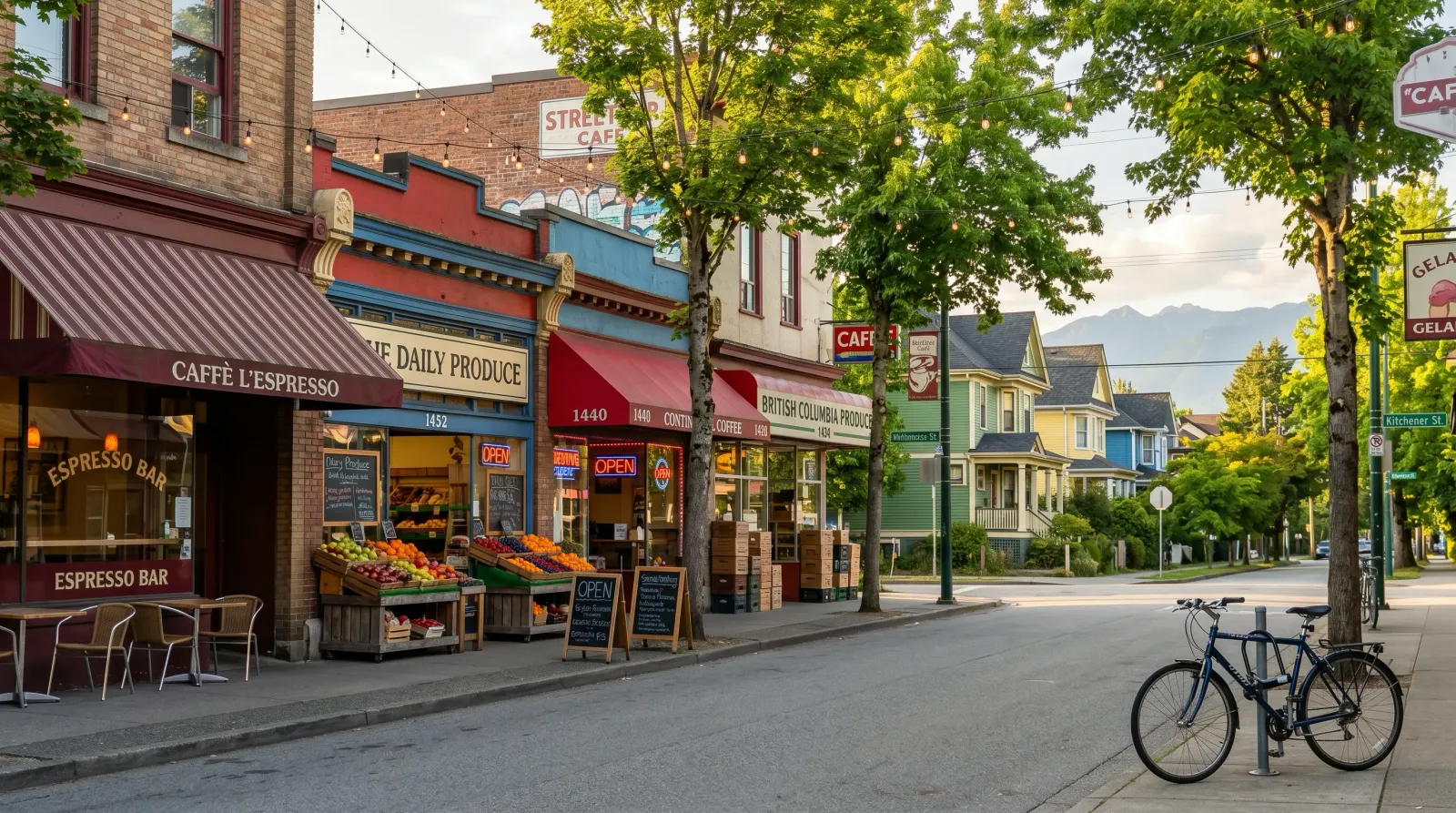
Gastown’s appeal is its architecture. The neighbourhood is a designated heritage area, and the building stock is unlike anywhere else in the city.
Heritage conversions are the crown jewels. These are former warehouses, hotels, and commercial buildings from the 1890s-1920s that have been converted into residential lofts. The best ones feature original timber columns and beams, exposed brick walls, massive windows, soaring ceilings (often 12-16 feet), and open floor plans. They feel like artist studios and photograph beautifully.
The trade-off is practical: heritage buildings can have quirks. Uneven floors, limited closet space, older plumbing, and occasionally challenging layouts. Some units lack in-suite laundry. The character is genuine, but so are the compromises.
Purpose-built condos from the 2000s-2020s fill in the gaps. Buildings like the Woodward’s Development (which includes the iconic “W” building) offer modern amenities with some heritage context. These are more practical day-to-day but lack the raw character of the true loft conversions.
If you’re buying in a heritage building, pay close attention to the building envelope, the depreciation report, and any planned restoration work. Heritage maintenance is expensive, and special assessments are not uncommon.
The Parking Situation
Parking in Gastown ranges from inconvenient to miserable, depending on your tolerance.
Street parking is metered everywhere and expensive. Evening and weekend rates reflect Gastown’s status as a dining and nightlife destination. Residential permit parking is limited because most of the neighbourhood is commercially zoned.
Building parking is scarce. Many heritage conversions have no underground parking at all, and those that do have very limited stalls. A parking stall in Gastown can sell separately for $50,000-$80,000, and monthly rentals run $200-$350.
The car-free lifestyle is the practical answer. Gastown is small enough to walk end-to-end in 10 minutes, transit is excellent, and everything you need is within walking or cycling distance. Most Gastown residents I work with either don’t own a car or park one in a nearby building and use it a few times a month.
If you need a car daily, Gastown will frustrate you. If you can go car-light, the transit access more than compensates.
Getting Around: Transit and Walkability
Gastown has some of the best transit access in Vancouver.
Waterfront Station is a 5-minute walk from virtually anywhere in Gastown. It’s the terminus for the Expo Line, the Canada Line (to the airport and Richmond), the SeaBus to North Vancouver, and the West Coast Express commuter rail to the Fraser Valley. This is the most connected transit hub in the region.
Bus routes on Hastings Street include the #14 and #16, providing frequent east-west service. The #10 runs south on Granville.
Cycling is viable — the Seawall and Seaside Greenway connect through the area, and there are Mobi bike-share stations throughout.
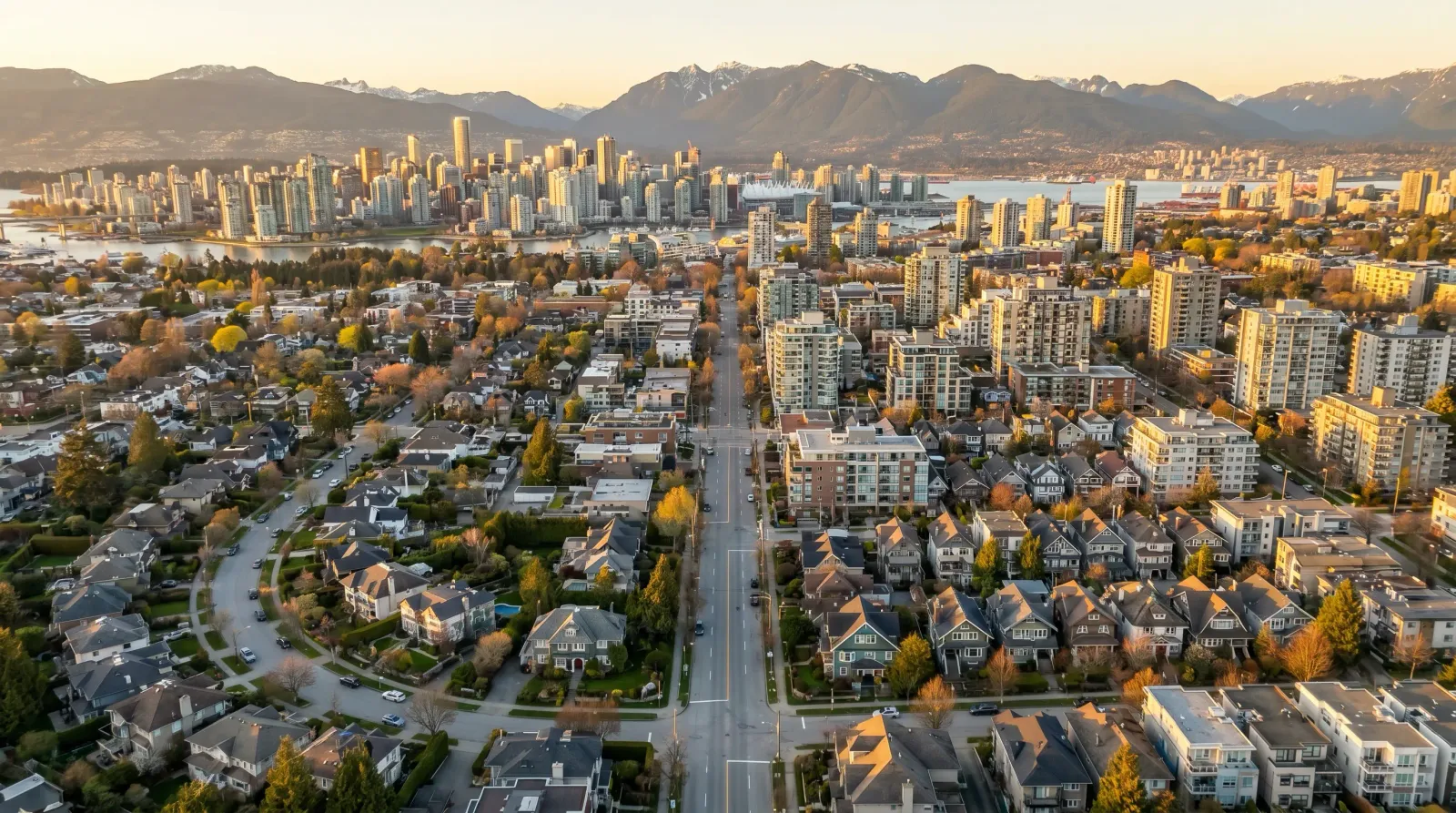
Walk Score is 95+, and deservedly so. Gastown sits at the nexus of downtown, Chinatown, Railtown, and the waterfront. You can walk to the financial district in 10 minutes, Science World in 15, and Stanley Park in 20.
For commuters, the SkyTrain access is the killer feature. You can be at Broadway-City Hall in 8 minutes, Metrotown in 20, and the airport in 25. Few neighbourhoods in the region can match this connectivity.
Noise Levels
Gastown is noisy, and you should be prepared for that.
Restaurant and bar noise is significant, particularly on Water Street and along Abbott and Carrall. Thursday through Saturday nights bring crowds until 1-2 AM, and the cobblestone streets amplify sound. If your unit faces Water Street, invest in excellent windows or accept that you’ll hear the nightlife.
Hastings Street along the southern edge generates a different kind of noise — street activity, emergency vehicle sirens, and general urban sounds that are more intense than other downtown areas.
Construction has been ongoing in and around Gastown for years, with various heritage restoration and new development projects. Expect periodic disruption.
The quietest spots are the upper floors of buildings on the northern side of Gastown, facing the harbour or the residential streets near Maple Tree Square. Ground-level units on Water Street are the loudest.
The Neighbourhood Vibe: Who Lives Here
Gastown attracts a specific type of Vancouverite: someone who values heritage character, walking culture, and a strong food and drink scene, and who is comfortable navigating the neighbourhood’s social complexity.
The residential population skews toward young professionals in their late 20s to early 40s, many of whom work in the tech and creative industries. Gastown and adjacent Railtown have become a hub for tech companies, design studios, and digital agencies. Walking to work in exposed-brick offices is a significant draw.
Water Street is the tourist spine, with the steam clock drawing crowds year-round. Maple Tree Square at the intersection of Water, Carrall, and Alexander is the neighbourhood’s social heart — home to patios, street performances, and the Gassy Jack statue (the controversial figure for whom Gastown is named).
Victory Square, at the western edge, hosts the cenotaph and a mix of heritage buildings that house galleries, studios, and some of the city’s most respected independent businesses.
The community is engaged but small. Gastown doesn’t have the population base for the kind of neighbourhood association you’d find in the West End or Kitsilano. The Gastown Business Improvement Association focuses more on commercial interests, but there’s an informal network of residents who look out for each other.
Where to Eat and Drink
This is where Gastown truly shines. The restaurant and bar density here is among the highest in Vancouver, and the quality matches the concentration.
- L’Abattoir — Fine dining in a heritage building on Blood Alley. French-influenced West Coast cuisine with one of Vancouver’s best wine lists. This is a special-occasion restaurant that locals return to regularly.
- Bauhaus — German-influenced tasting menus in an intimate space on Abbott. Creative, seasonal, and consistently excellent. One of Vancouver’s most underrated fine dining spots.
- Pourhouse — Craft cocktails and elevated comfort food in a beautifully restored heritage space on Water Street. The cocktail program is one of the best in the city.
- Nelson the Seagull — Bakery and cafe on Carrall Street with outstanding sourdough bread and a loyal morning crowd. The sandwiches are worth the line.
- Ask for Luigi — Italian-inspired pasta restaurant that’s been a Gastown favourite for years. Small, no reservations for dinner, always busy. The cacio e pepe is famous for a reason.
- Tacofino — The brick-and-mortar location of Vancouver’s beloved taco operation. Great casual lunch option.
- Revolver Coffee — Arguably Vancouver’s best specialty coffee shop. They rotate single-origin beans and take their craft seriously without being pretentious about it.
- The Diamond — Upstairs cocktail bar above Maple Tree Square. Gorgeous heritage room, creative drinks, and a view down Alexander Street.
What to Watch Out For
The DTES proximity. This is the conversation no Gastown guide can avoid. The Downtown Eastside — one of Canada’s most concentrated areas of poverty, addiction, and homelessness — borders Gastown to the south and east. The transition can be abrupt: one block you’re at a $40 cocktail bar, and the next you’re walking past open drug use and tent encampments.
This affects daily life. You will encounter people in crisis. You will see things that are difficult. You will need to develop your own approach to navigating this reality — compassion, awareness, and reasonable precautions. Most long-term Gastown residents learn to coexist with this reality, but it’s not for everyone, and minimizing it would be dishonest.
Property crime. Bike theft and car break-ins are more common in Gastown than in other downtown neighbourhoods. Don’t leave anything visible in a parked car. Use heavy-duty locks on bikes. Some buildings have had issues with unauthorized entry to parkades and storage areas.
Heritage building maintenance costs. The aesthetic beauty of heritage conversions comes with a price tag. Brick repointing, window restoration, and seismic upgrading are expensive, and these costs flow through to owners via strata fees and special assessments.
Limited grocery options. There’s no major grocery store in Gastown. You’ll develop routines involving Nesters on Abbott, trips to Chinatown markets, and likely a regular delivery service. This is not a neighbourhood designed for easy weekly shops.
Tourism congestion. Water Street gets packed with tour groups, cruise ship passengers, and steam-clock photographers, particularly from May through October. It’s charming the first few times and tiresome after that.
The Bottom Line
Gastown is Vancouver’s most atmospheric neighbourhood — a place where 130 years of history create a living environment that no new development can replicate. The heritage lofts are genuine, the restaurant scene is first-rate, and the transit access from Waterfront Station is unmatched.
But living here requires honest self-assessment. You need to be comfortable with urban intensity, including the very real challenges of the DTES. You need to be okay without a car, without easy grocery shopping, and with weekend tourist crowds on your doorstep. And you need to appreciate the heritage aesthetic enough to accept its practical compromises — the uneven floors, the limited storage, the drafty windows in January.
Gastown is ideal for young professionals who work nearby, food and drink enthusiasts, design-minded buyers who want character over square footage, and people who thrive in dense urban environments. It’s not right for families with young children, buyers who need parking and quiet, or anyone who’ll be distressed by the neighbourhood’s social challenges.
If you’re drawn to Gastown, I’d suggest visiting at three different times: a Wednesday morning, a Friday night, and a Sunday afternoon. Each reveals a different neighbourhood. If you’re comfortable with all three versions, you’ll likely love living here.
Explore current listings on our Downtown Vancouver neighbourhood page, or get in touch — I can walk you through which buildings offer the best value and which ones to approach with caution.
Related Vancouver real estate pages
Continue with local service pages, neighbourhood guides, and actionable resources related to this topic.