Quick answer: Comprehensive relocation guide to Yaletown, covering condo prices (one-beds from $550K, two-beds from $900K, penthouses $2M+), Seawall lifestyle, Yaletown-Roundhouse SkyTrain access, upscale dining scene, parking costs, and honest pros/cons for prospective residents in 2026.
Everything you need to know before moving to Yaletown — housing costs, condo market realities, Seawall living, restaurant scene, transit access, and the honest pros and cons of Vancouver's converted-warehouse district.
Want a free assessment for your property?
Leave your name and phone — Greyden will call you back with a personalized market snapshot. No spam, no drip campaigns.
Join 1,000+ Vancouver homeowners. No spam, unsubscribe anytime.
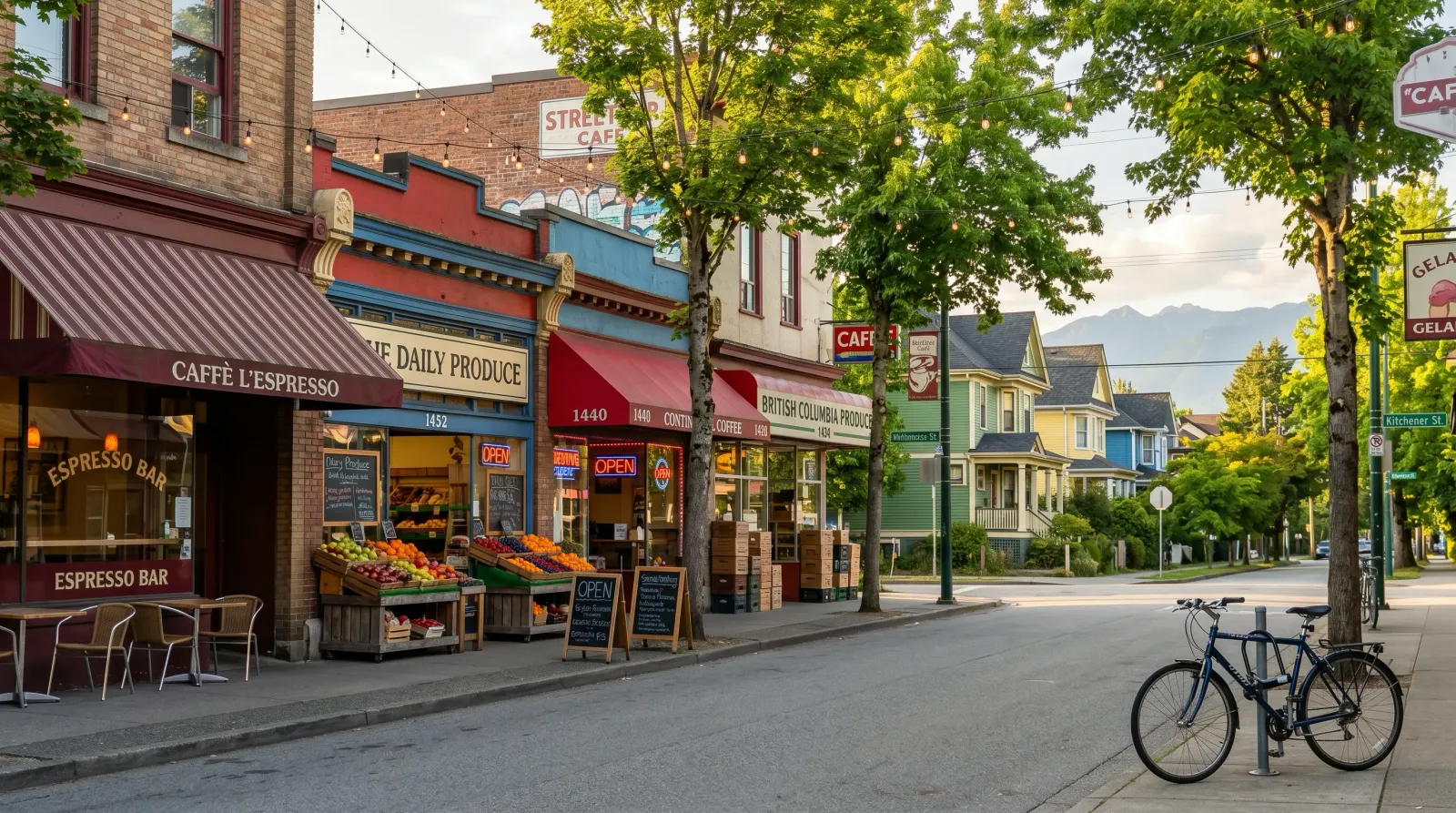
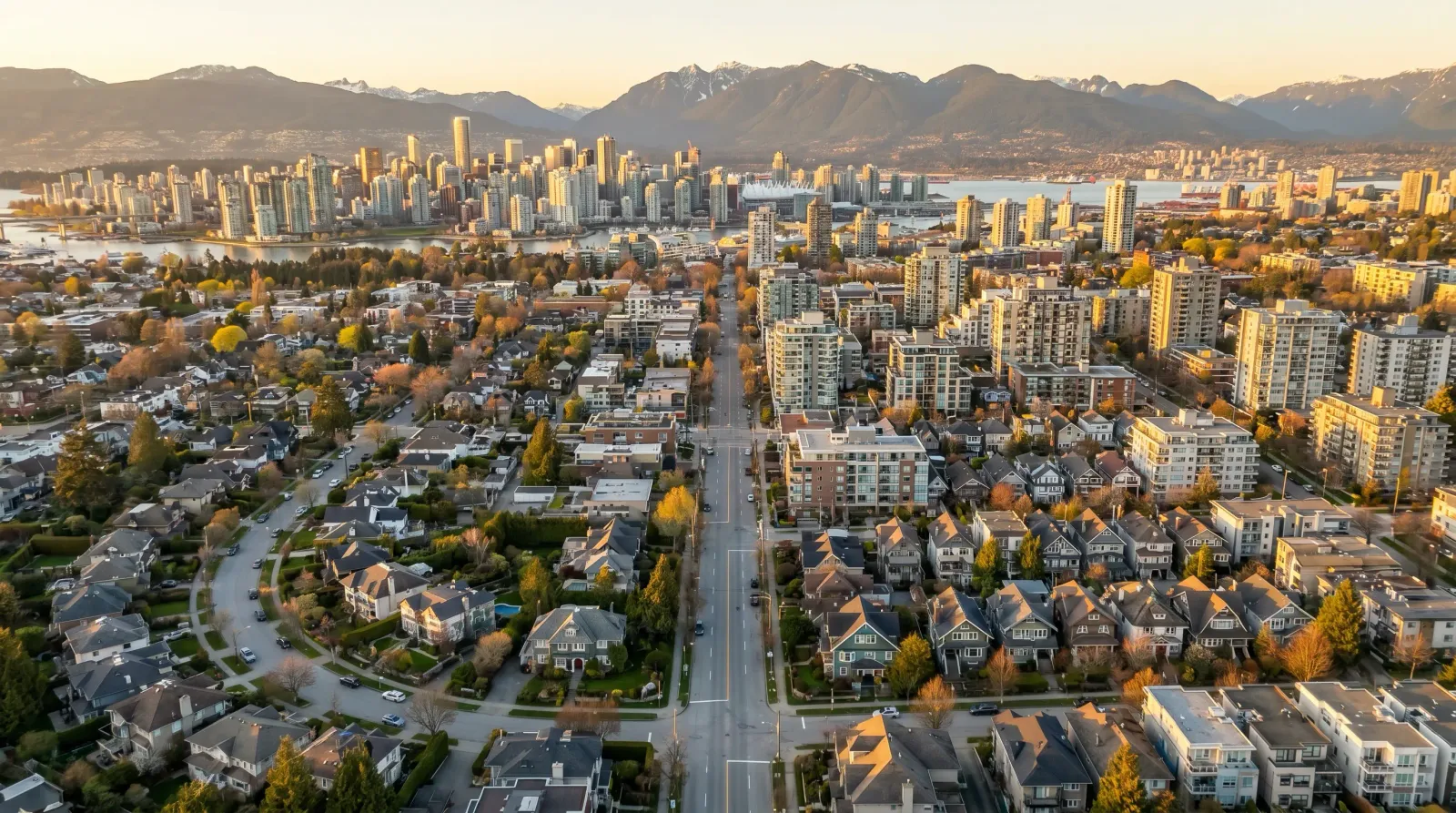
Yaletown is Vancouver’s most polished urban neighbourhood. Converted warehouses with exposed brick and oversized windows. Loading docks turned into restaurant patios. The Seawall running along the waterfront. Glass towers rising above it all. If your idea of a good life involves walking to dinner, taking the dog along the waterfront, and never worrying about yard work, Yaletown was designed for you.
It was also, until the mid-1990s, a collection of abandoned warehouses and parking lots. The transformation has been remarkable — and the neighbourhood’s strengths and limitations both flow from that rapid reinvention.
Housing Prices: What You Will Pay
Yaletown is almost entirely condos. This is a tower neighbourhood with a handful of heritage conversions mixed in, and your housing options reflect that reality.
One-bedroom condos in concrete towers start around $550,000 to $700,000 for units in the 500 to 650 square foot range. Buildings along Marinaside Crescent and the Seawall command a premium — expect to pay 10 to 15 percent more for water views. Older buildings from the early 2000s trade at the lower end; newer towers with higher-spec finishes push the upper boundary.
Two-bedroom condos range from $900,000 to $1.4 million depending on size, view, and building quality. A well-located two-bedroom with a water or park view in a building like the Erickson or one of the Concord Pacific towers is a strong long-term hold.
Penthouses and sub-penthouses — Yaletown has some of the city’s best high-floor product. Expect $2 million and up for true penthouse units with expansive views and premium finishes.
Heritage conversions — the former warehouse buildings along Hamilton and Mainland Streets have been converted into loft-style residences. These are prized for their character: high ceilings, exposed brick, timber beams, and large windows. Pricing ranges from $600,000 for smaller units to well over $1.5 million for larger lofts. Supply is limited and turnover is low because owners tend to stay.
Townhouses are rare. When available in newer Yaletown developments, expect $1.5 million to $2.2 million.
Rentals are plentiful. One-bedrooms average $2,300 to $2,800 per month; two-bedrooms run $3,200 to $4,200. Yaletown has some of the highest per-square-foot rental rates in the city.
For current listings and building-specific guidance, visit our Yaletown neighbourhood page.
Cost of Living Beyond Housing
Yaletown is an expensive place to live beyond the mortgage or rent. The neighbourhood caters to a higher-income demographic, and prices reflect it.
Grocery options are limited within the neighbourhood itself. The Urban Fare on Davie Street (at the edge of Yaletown and the West End) is the closest premium grocery option — beautifully curated, aggressively priced. Many residents drive or take transit to Choices Markets on Cambie or the T&T Supermarket downtown for more affordable options. The lack of a mid-range grocery store within walking distance is a genuine daily-life friction point.
Dining out is where your discretionary budget goes in Yaletown. A dinner for two at a mid-range restaurant easily runs $100 to $150. Fine dining can push past $300. Coffee and lunch spots are plentiful but not cheap — $6 to $7 for a latte, $15 to $20 for a casual lunch.
Fitness is well-served. Multiple boutique fitness studios, a Steve Nash Fitness World, and the Roundhouse Community Centre are all in the neighbourhood. Monthly costs range from $50 (community centre) to $250+ (boutique studios).
Transit: Getting Around Without a Car
Yaletown has excellent transit access — one of the best in the city.
Yaletown-Roundhouse Station on the Canada Line puts you on rapid transit with direct access to Waterfront Station (6 minutes), Broadway-City Hall (4 minutes), the airport (25 minutes), and Richmond. The station is centrally located in the neighbourhood, within a 5 to 10 minute walk of most residential buildings.
Bus routes supplement the SkyTrain. The #C21 and C23 community shuttles circulate through Yaletown and connect to surrounding areas. The #6 Davie runs along Davie Street connecting to the West End and downtown. The #15 runs along Cambie connecting south to Langara and beyond.
Walking is how most Yaletown residents get around within the neighbourhood. The area is compact and flat. You can walk from one end of Yaletown to the other in 15 minutes. Downtown offices, BC Place, Rogers Arena, and the entertainment district are all within a 10 to 15 minute walk.
Cycling is excellent. The Seawall connects Yaletown to Stanley Park, Kitsilano, and the Olympic Village. Dedicated bike lanes on the Dunsmuir and Hornby corridors provide safe routes into the downtown core.
Many Yaletown residents are car-free by choice. The combination of SkyTrain access, walkability, and cycling infrastructure makes a car optional for most daily needs.
Parking: The Honest Truth
If you do keep a car, parking in Yaletown is manageable but expensive.
Most condo buildings include one parking stall with the unit, and additional stalls can be purchased for $50,000 to $100,000 depending on the building and stall type. Monthly rental of a stall within your building, if available, typically runs $150 to $250.
Street parking is metered throughout Yaletown, with rates ranging from $3 to $6 per hour. Evenings and weekends fill up quickly, especially when events are happening at BC Place or Rogers Arena. On event nights, forget about finding street parking within several blocks of the venue.
Visitor parking is a common frustration. Friends driving in for dinner will need to use metered street spots or nearby parkades.
If you are car-free, the cost savings on parking alone ($200 to $400 monthly for stall and insurance) can be significant.
Noise Levels
Yaletown has a specific noise profile that you should understand before buying or renting.
Seawall and waterfront — surprisingly quiet, especially the Marinaside Crescent side. The water acts as a buffer, and the Seawall foot traffic is not noisy.
Hamilton and Mainland Streets — the restaurant and bar strip can generate noise on Thursday through Saturday evenings, particularly in summer when patios are full. If you are in a heritage building on one of these streets, test the unit at 10 p.m. on a Friday.
Pacific Boulevard and Drake Street — carry steady traffic. Buildings facing Pacific Boulevard will hear the road, especially during event traffic for BC Place.
Event noise from BC Place and Rogers Arena is a real consideration. Fireworks nights, concerts, and major sporting events generate crowd noise and post-event commotion. If you are within a few blocks of the stadium, this is a regular occurrence from spring through fall.
Construction remains active. Several new towers are in various stages of development in the broader area. Check for active development permits near any unit you are considering.
Upper floors in concrete towers are generally well-insulated from street-level noise. Lower units in heritage conversions, particularly those facing the restaurant strip, will hear more.
The Vibe: Who Lives Here
Yaletown attracts a specific demographic and owns it without apology.
The core residents are young professionals (28 to 40) working in tech, finance, real estate, and the corporate downtown. There is a significant population of downsizers — empty-nesters who sold their suburban homes and want walkable urban living with good restaurants and the Seawall at their doorstep.
The neighbourhood skews higher-income, appearance-conscious, and socially active. Weekend brunches are packed. The Seawall is busy with joggers and dog walkers at 7 a.m. The restaurants have dress codes that are actually observed.
There are fewer families here than in most Vancouver neighbourhoods. The absence of a public elementary school within the neighbourhood, limited park space, and condo-focused housing stock make it less practical for families with children. David Lam Park is the main green space — it is well-maintained and pleasant, but it is one park serving a dense population.
Yaletown feels safe. The neighbourhood has a strong sense of upkeep, well-lit streets, and active foot traffic into the evening hours.
Where to Eat and Drink
Dining is one of Yaletown’s strongest draws. The restaurant density and quality along Hamilton and Mainland Streets is exceptional.
Blue Water Cafe — consistently ranked among Vancouver’s top restaurants. Seafood-focused with a raw bar that is among the best in the country. This is where you take visitors to impress them. Reserve well in advance.
Minami — Japanese cuisine with a West Coast sensibility. The aburi (flame-seared) sushi is the signature. Upscale but not stuffy, with a beautiful interior.
Homer Street Cafe and Bar — a neighbourhood anchor for brunches, casual dinners, and after-work drinks. The patio on Homer is one of the nicest spots in the area on a warm evening.
Brix & Mortar — set in a heritage building with a heated patio, serving cocktails and contemporary cuisine. A reliable date-night option.
Provence Marinaside — French-influenced cooking on the waterfront side of Yaletown. The patio overlooking the marina is hard to beat in summer.
For quick bites, The Flying Pig is a neighbourhood staple for comfort food, and Small Victory Bakery on West 5th is excellent for pastries and coffee. The Yaletown Brewing Company offers solid pub fare and house-brewed beer.
Grocery Stores and Daily Errands
- Urban Fare on Davie (edge of Yaletown) — premium grocery, high prices, excellent prepared foods
- Choices Markets on Cambie — a short walk or quick transit trip
- T&T Supermarket downtown — Asian grocery with wide selection
- Shoppers Drug Mart on Davie — pharmacy and essentials
- Roundhouse Community Centre — fitness, recreation, library branch
The lack of a conventional, reasonably priced grocery store within the neighbourhood is Yaletown’s most practical shortcoming for daily life. Plan on combining grocery shopping with other errands or ordering delivery.
What to Watch Out For
Strata fees. Yaletown towers, especially those with concierge, pools, and gyms, carry strata fees that can run $500 to $900 per month for a one-bedroom and $700 to $1,200+ for a two-bedroom. Factor this into your total housing cost calculation — it is the hidden number that surprises first-time condo buyers.
Weekend crowd congestion. The Seawall and restaurant strips get genuinely crowded on sunny weekends. If you value peace and quiet on Saturday afternoons, the Yaletown waterfront from May through September may not deliver.
Event-night disruption. BC Place and Rogers Arena events mean periodic road closures, traffic congestion, and crowd noise. If you are a light sleeper in a lower unit near Pacific Boulevard, this will affect your evenings.
The grocery gap. Already mentioned, but it is worth emphasizing. Not having a reasonably priced, full-service grocery within easy walking distance is a daily friction that some residents never fully adapt to.
Limited family infrastructure. No neighbourhood elementary school, limited park space relative to density, and a social scene oriented around adult dining and nightlife. If you have or are planning to have young children, other neighbourhoods will serve you better.
Investor-heavy buildings. Some Yaletown towers have high rental-to-owner ratios. This can affect building maintenance standards, strata culture, and long-term value. Ask about the owner-occupancy ratio before buying.
The Bottom Line
Yaletown is the right neighbourhood if you want polished urban living with excellent restaurants, waterfront access, and SkyTrain at your door. It rewards people who value convenience, aesthetics, and a curated lifestyle.
It works best for young professionals, couples without children, and downsizers who want to trade suburban space for urban walkability. The Seawall access, dining options, and transit connectivity are genuinely best-in-class for Vancouver.
It is not the right fit for families, budget-conscious buyers, or anyone who wants neighbourhood grit and independent character. Yaletown is designed and maintained, not organic and evolving. That is either its greatest strength or its greatest limitation, depending on what you value.
If Yaletown is on your list, let me know — I track inventory in every major building in the neighbourhood and can help you find the right unit at the right price.
Related Vancouver real estate pages
Continue with local service pages, neighbourhood guides, and actionable resources related to this topic.