Quick answer: A practical guide to the home appraisal process in Vancouver covering what appraisers evaluate, the three valuation approaches, typical costs ($300-$600 in BC), timelines, the difference between appraisals and BC Assessment values, and specific strategies for handling low appraisals in a declining 2026 market.
A home appraisal can make or break your deal. Here's how the process works, what it costs in Vancouver, and what to do when the number comes in lower than your offer price.
Want a free assessment for your property?
Leave your name and phone — Greyden will call you back with a personalized market snapshot. No spam, no drip campaigns.
Join 1,000+ Vancouver homeowners. No spam, unsubscribe anytime.
I’ve seen appraisals kill deals that both buyer and seller wanted to close. The offer was solid, the financing was approved in principle, the inspection went fine — and then the appraisal came back $80,000 below the purchase price. Suddenly, the buyer needed an extra $80,000 in cash to close, or the deal was dead.
In 2026’s Vancouver market, with the GVR composite benchmark down 6.8% year-over-year to $1,104,300 as of March, low appraisals are becoming more common. Appraisers use recent comparable sales, and those comps now reflect a market that’s been sliding for over a year. If you’re buying in Vancouver right now, you need to understand this process — not just what it is, but how it can affect whether your deal actually closes.
What Is a Home Appraisal?
A home appraisal is an independent, professional assessment of a property’s current market value. It’s ordered by your lender (or your mortgage broker on their behalf) as part of the mortgage approval process. The lender wants to confirm that the property you’re buying is worth at least what you’re paying for it — because the property is their collateral.
Here’s what I tell my buyers: the bank doesn’t care what you’re willing to pay. They care what the property is worth if you stop making payments and they need to sell it. That’s what the appraisal determines.
The appraiser is a licensed professional — in BC, they’re regulated by the Appraisal Institute of Canada and must follow Uniform Standards of Professional Appraisal Practice. They work for the lender, not for you, even though you’re the one paying the fee.
When Is an Appraisal Required?
Not every mortgage transaction triggers a full appraisal, and this surprises a lot of buyers.
Conventional mortgages (20%+ down payment): Your lender is taking on the full risk, so they almost always require an appraisal. Some lenders may accept an Automated Valuation Model (AVM) — a software-based estimate using comparable sales data — for straightforward properties in well-documented neighbourhoods. But for anything unique, older, or high-value, expect a full appraisal.
Insured mortgages (less than 20% down): Because CMHC, Sagen, or Canada Guaranty is insuring the mortgage, the insurer’s own risk assessment often substitutes for a traditional appraisal. The insurer may use their own AVM or desktop review. That said, the insurer can still flag a property for a full appraisal if something looks off.
Refinances and renewals: If you’re refinancing with a new lender or pulling out equity, an appraisal is almost always required.
Appraisal vs. BC Assessment: They’re Not the Same Thing
This is one of the most common points of confusion I see with Vancouver buyers and sellers. Your BC Assessment notice arrives every January. It tells you the assessed value of your property for tax purposes. But that number is based on the estimated market value as of July 1 of the previous year — it’s a backward-looking snapshot used to calculate your property taxes.
A professional appraisal, on the other hand, tells you what the property is worth right now, based on current market conditions and recent comparable sales. In a declining market like 2026, the BC Assessment (based on July 2025 values) can be significantly higher than a current appraisal. That gap catches sellers off guard when they expect their assessed value to support their asking price.
For mortgage lending, the appraisal always wins. Your lender doesn’t care what BC Assessment says.
What the Appraiser Actually Looks At
When the appraiser shows up at the property, they’re evaluating a specific set of factors. Understanding these helps whether you’re buying or selling.
Property characteristics
- Square footage and layout: Total finished living area, number of bedrooms and bathrooms, floor plan functionality
- Lot size and topography: Especially relevant in Vancouver where lot sizes vary dramatically by neighbourhood
- Age and construction quality: Year built, construction materials, foundation type
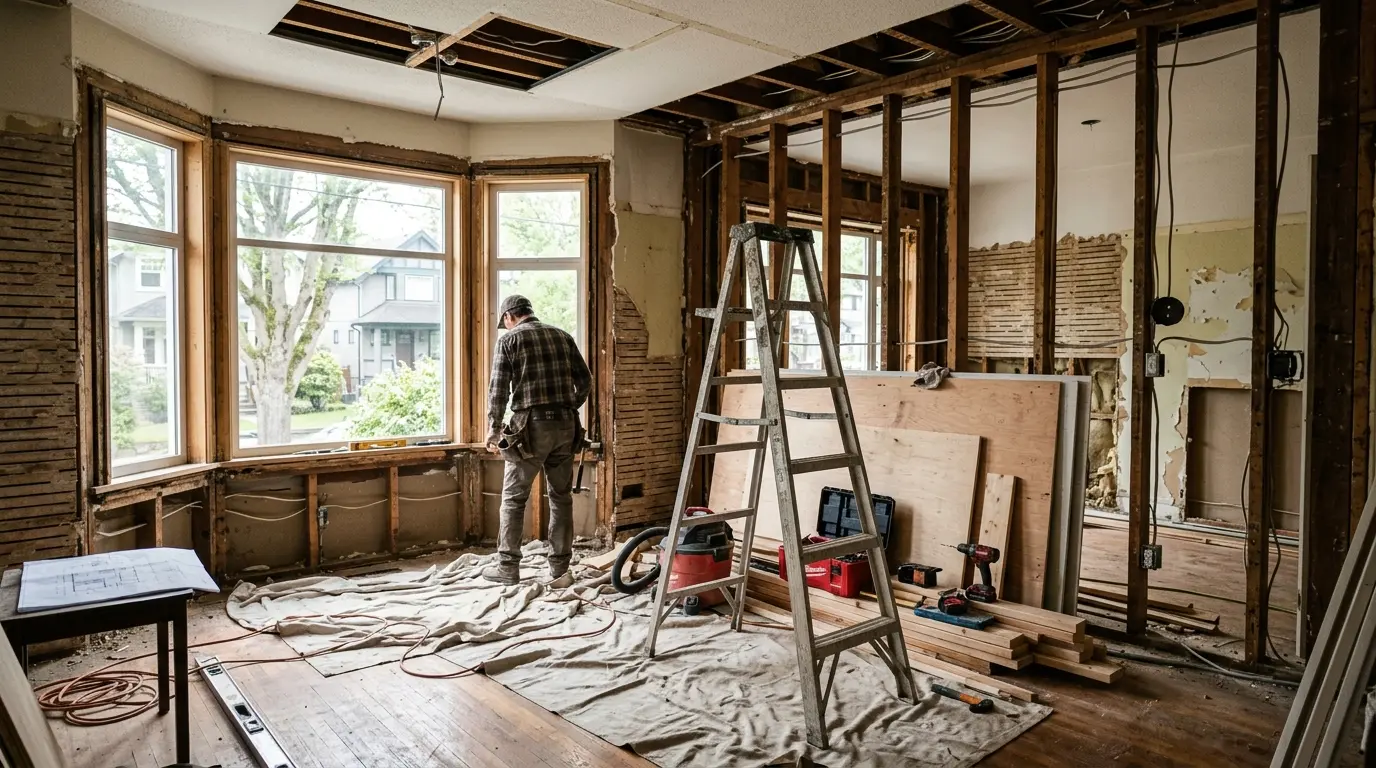
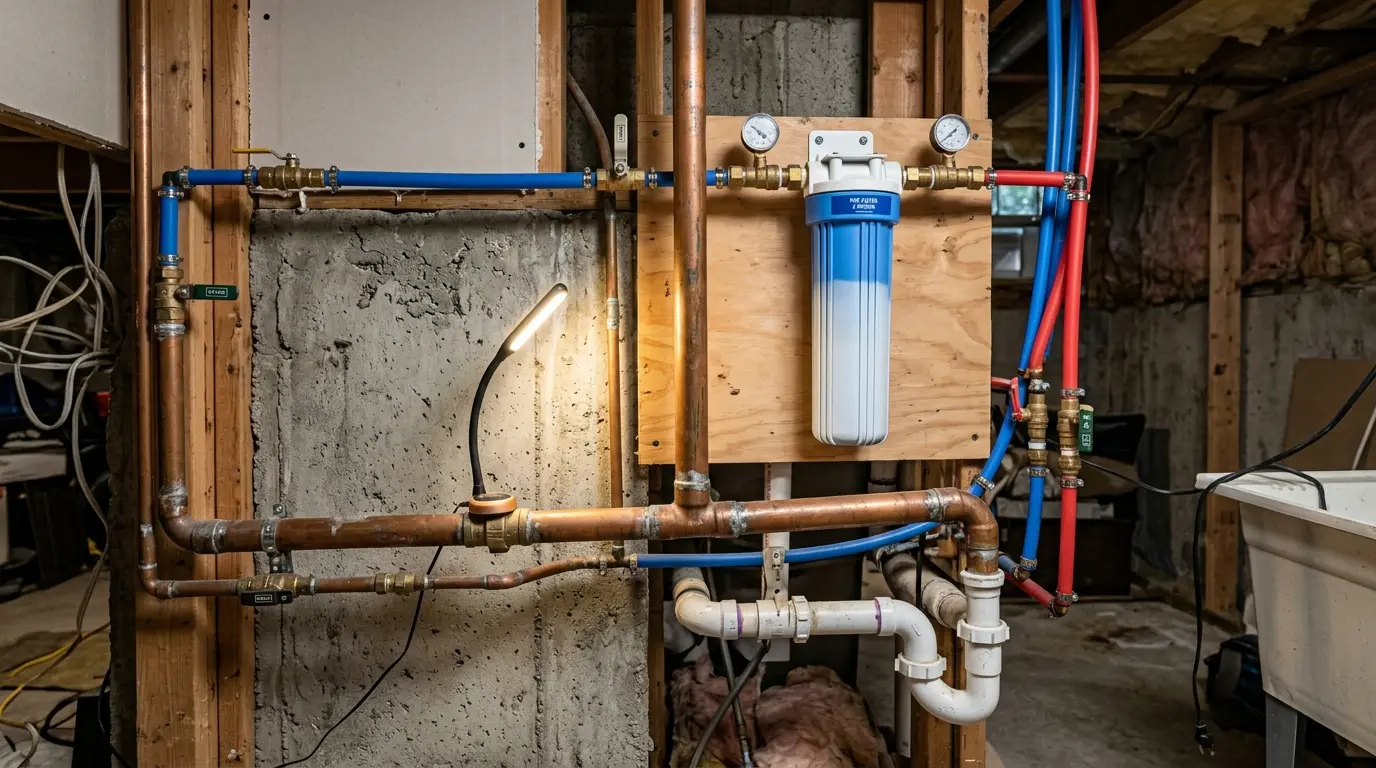
- Condition and maintenance: Current state of the roof, windows, siding, plumbing, electrical, and HVAC systems
Upgrades and renovations
- Kitchen and bathroom updates: These carry the most weight in valuation adjustments
- Structural improvements: New roof, updated electrical panel, replumbed plumbing
- Permitted vs. unpermitted work: Appraisers note unpermitted additions. A finished basement suite without permits may not receive full value credit
Location and neighbourhood
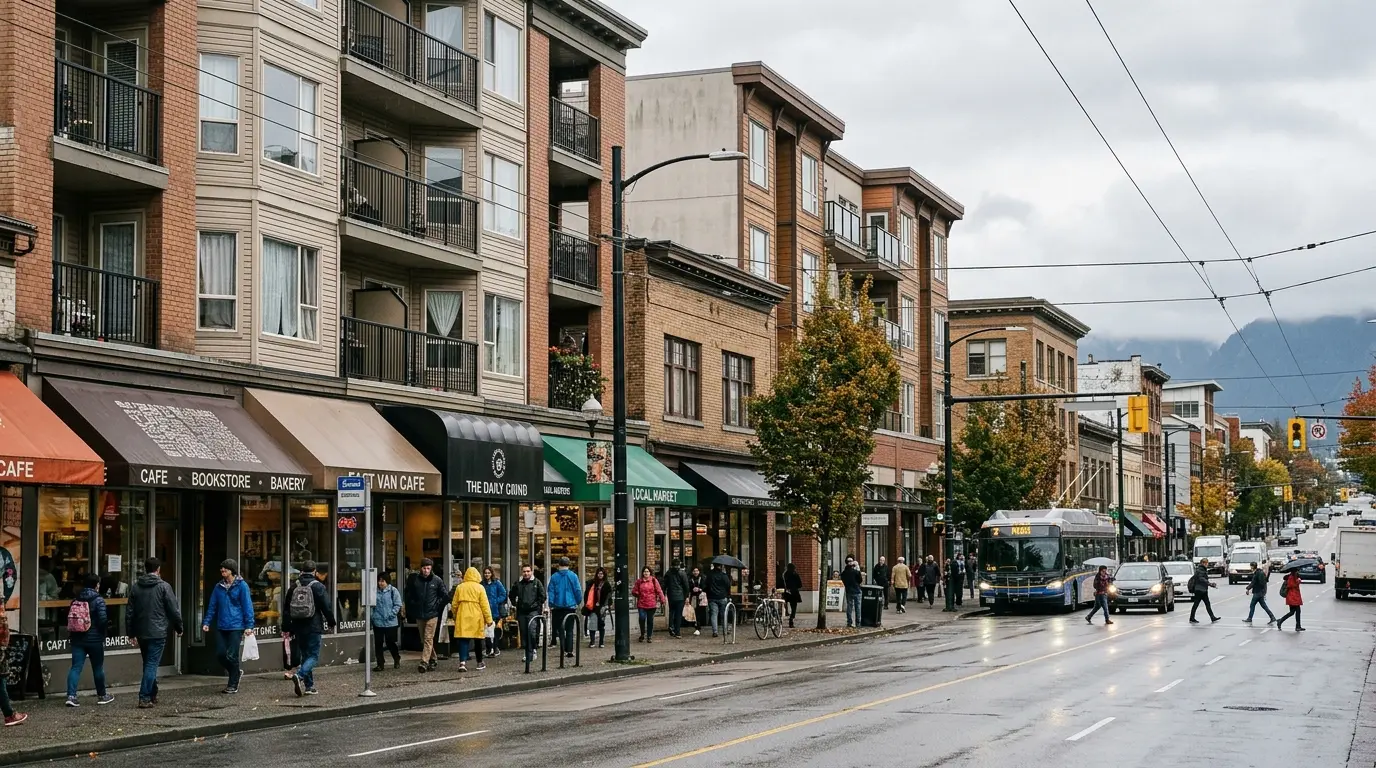
- Proximity to transit, schools, parks, and amenities
- Street characteristics: Busy arterial vs. quiet residential street
- Neighbourhood trends: Are values in this specific area rising, stable, or falling?
- View premiums: Water, mountain, or city views can add significant value in Vancouver
Comparable sales
This is the backbone of most residential appraisals. The appraiser identifies 3-5 recently sold properties that are similar in size, age, condition, and location. They adjust for differences — if the comparable had a newer kitchen, they subtract value; if it lacked a garage and your property has one, they add value. The adjusted comparable sales establish a value range for the subject property.
The Three Valuation Approaches
Appraisers can use one or more of these methods, depending on the property type:
1. Sales comparison approach (most common for residential). This is what I just described — comparing to recent similar sales. For a typical Vancouver house, condo, or townhome purchase, this is the primary method.
2. Cost approach. What would it cost to build this property from scratch today, minus depreciation? This method is more useful for newer construction or unique properties where comparable sales are limited.
3. Income approach. What rental income could this property generate, and what does that imply about value? This applies mainly to investment properties — duplexes, purpose-built rentals, or properties with legal suites.
For the vast majority of Vancouver home purchases, the sales comparison approach drives the final number.
How Long Does It Take?
Here’s the typical timeline from the moment the appraisal is ordered:
- Lender orders appraisal: Your mortgage broker or lender contacts an appraisal management company or appraiser directly. This usually happens within a day or two of receiving your mortgage application.
- Appraiser schedules the visit: Depending on how busy the market is, this could be 2-5 business days. In a slow market like early 2026, turnaround tends to be faster.
- On-site inspection: The actual property visit takes 30 minutes to 2 hours, depending on property size and complexity.
- Report delivered to lender: Typically 5-7 business days after the on-site visit.
Total timeline: roughly 1-2 weeks from order to report. This is why your subject removal period matters — if you have a financing condition, make sure you have enough time for the appraisal to come back before your subjects are due.
What Does a Home Appraisal Cost in Vancouver?
In British Columbia, a standard residential appraisal typically costs $300 to $800, with most standard appraisals in the $395 to $595 range. Some lenders absorb this cost, but in most cases the buyer pays — either upfront or rolled into closing costs.
Factors that push costs higher:
- Property complexity: Large homes, acreages, or properties with multiple suites
- Location: Remote or hard-to-access properties require more appraiser travel time
- Rush orders: Need the report in 48 hours instead of a week? Expect to pay a premium
- Unique properties: Heritage homes, waterfront properties, or converted commercial spaces
For a standard Vancouver condo, expect to pay closer to $400. For a detached home in a well-documented neighbourhood like Kitsilano or Mount Pleasant, you’re looking at $450-$600.
The Big Issue: When the Appraisal Comes in Low
This is the section that matters most in 2026. Here’s what I mean by “low”: the appraiser determines that the property is worth less than the price you agreed to pay.
Example: You offer $1,200,000 on a detached home. Your lender orders an appraisal. The appraiser, using recent comparable sales that reflect the current declining market, values the property at $1,120,000. That’s an $80,000 shortfall.
Your lender approved you for a mortgage based on 80% of the property value. But now “property value” is $1,120,000, not $1,200,000. Your maximum mortgage drops from $960,000 to $896,000. You suddenly need an extra $64,000 in cash to close the deal.
Why low appraisals are more common right now
In a declining market, there’s a natural lag. Buyers and sellers negotiate based on what they think the market is doing. But appraisers are required to use actual completed sales — and those sales from the past 3-6 months reflect the downward trend. With the GVR composite benchmark down 6.8% year-over-year and detached home benchmarks down 8.2%, the comparable sales an appraiser pulls are going to reflect those declines.
This creates a gap: you might agree to a price that feels fair based on current listings, but the appraisal looks at what actually sold recently — and those numbers may be lower.
Your options when the appraisal comes in low
1. Renegotiate the price. If you have a financing condition in your offer (a “subject to financing” clause), a low appraisal gives you real leverage. You can go back to the seller and say: “The bank won’t lend enough to complete this purchase at the agreed price. We need to adjust.” In the current buyer’s market, many sellers will negotiate rather than risk the deal collapsing and starting over.
2. Increase your down payment. If you have the cash, you can cover the shortfall yourself. This means you’re voluntarily paying more than the appraised value — which you should think carefully about. If you’re paying $80,000 more than a professional says the property is worth, you’re starting with negative equity.
3. Challenge the appraisal. If you believe the appraiser missed relevant comparable sales or didn’t properly account for upgrades, you or your mortgage broker can request a reconsideration. Provide additional comparable sales data or documentation of renovations. Appraisers aren’t obligated to change their opinion, but some will revise if new information is compelling.
4. Get a second appraisal. Some lenders will allow a second appraisal from a different appraiser. This costs another $400-$600, but if the first appraisal was genuinely off, a second opinion can resolve the issue.
5. Walk away. If your offer included a financing condition and you can’t — or don’t want to — bridge the gap, you can exercise that condition and walk away from the deal without penalty. This is exactly why I tell every buyer: never waive your financing subject unless you have the cash to cover any shortfall.
How Sellers Can Prepare for an Appraisal
If you’re selling your home and know an appraisal is coming, you’re not powerless. Here’s what helps:
Document your upgrades. Did you replace the roof in 2023? Remodel the kitchen? Install a new furnace? Compile a list of improvements with dates, costs, and receipts. Leave this for the appraiser — they can’t account for upgrades they don’t know about.
Provide comparable sales. If you or your realtor have identified strong comparable sales that support the purchase price, share them. The appraiser will do their own research, but having additional data points never hurts.
Make the property presentable. Appraisers are professionals — they know the difference between a messy house and a damaged one. But deferred maintenance signals a property that might need significant repairs, which affects value. Fix obvious issues: leaky faucets, broken railings, missing smoke detectors.
Ensure access to everything. The appraiser needs to see the entire property. Unlock the basement suite, the garage, the attic access. If they can’t access an area, they can’t give it full value credit.
How This Connects to Your Offer Strategy
Your offer price needs to appraise, or you need a plan for when it doesn’t. Here’s how I advise my clients:
Keep your financing condition. In a buyer’s market like 2026, there’s no reason to waive it. The financing condition protects you if the appraisal comes in low. Read my full breakdown on offer strategy in the current market.
Price your offer based on comparables, not asking price. If you’ve done your homework with your realtor and know that recent comparable sales support a certain value, that’s the number to anchor your offer on. If the seller is asking above what the market supports, the appraisal will likely confirm that.
Get a free home valuation first. Before you even make an offer, knowing the estimated value of the property gives you context. It won’t replace a formal appraisal, but it tells you whether the asking price is in the right ballpark.
Budget for the appraisal in your closing costs. It’s a relatively small cost ($400-$600) in the context of a Vancouver home purchase, but it’s one more line item to plan for.
Frequently Asked Questions
Can I choose my own appraiser?
No. The lender selects the appraiser — or uses an appraisal management company that assigns one — to maintain independence. If the buyer could pick the appraiser, the lender couldn’t trust the objectivity of the report. You’re paying for it, but the report belongs to the lender.
What if the appraisal comes in higher than the purchase price?
That’s a good outcome — it means you’re buying below market value. The lender will base your mortgage on the purchase price (the lower number), so a high appraisal doesn’t change your financing. But it does mean you’re starting with instant equity, which is a strong position.
Do I need an appraisal if I’m paying cash?
No. Appraisals are a lender requirement. If you’re buying without a mortgage, no bank is involved and no appraisal is required. That said, getting one voluntarily ($400-$600) can be worthwhile insurance to confirm you’re paying a fair price — especially in a market where prices are moving.
How is a home appraisal different from a home inspection?
They serve completely different purposes. An appraisal determines market value — how much the property is worth. An inspection evaluates condition — whether anything is broken, deficient, or potentially expensive to repair. You typically need both when buying with a mortgage. The appraisal protects the lender; the inspection protects you.
Sources
- Monthly Market Report March 2026 - Greater Vancouver Realtors
- Understanding Home Appraisals: Process, Cost & Tips - BrokerLink
- Home Appraisals: When You Need One and What to Expect - NerdWallet Canada
- How Much Does a Home Appraisal Cost in BC - Straw Homes
- BC Property Assessment vs. Home Appraisal (Updated for 2026) - Kelly Hudson Mortgages
- What to Do If the Appraisal Is Lower Than the Offer - nesto
Data sourced April 2026. Costs and market conditions change — verify current figures before making financial decisions.
Next Steps: Work with Rain City Properties
Whether you’re buying or selling, the appraisal is one of those steps that can catch people off guard if they’re not prepared. Having a realtor who understands how appraisals work in the current market — and who can help you build an offer strategy that accounts for potential shortfalls — makes a real difference.
Start with a free home valuation to get a sense of where values stand in your target neighbourhood. If you’re further along and ready to talk strategy, I’m here.
Contact Greyden Douglas directly at (604) 218-2289 or get in touch online to discuss your Vancouver real estate goals.
Related Vancouver real estate pages
Continue with local service pages, neighbourhood guides, and actionable resources related to this topic.