Quick answer: A practical guide to upgrading residential electrical service to 200 amps in Vancouver homes, covering why electrification overloads older 60- and 100-amp panels, realistic cost ranges, the BC Hydro and permit process, and available rebates.
Heat pumps, EV chargers, and induction ranges are pushing older Vancouver homes past their 60- and 100-amp limits. Here's what a 200-amp upgrade actually costs, how the BC Hydro and permit process works, and how it ties into electrification rebates.
Want a free assessment for your property?
Leave your name and phone — Greyden will call you back with a personalized market snapshot. No spam, no drip campaigns.
Join 1,000+ Vancouver homeowners. No spam, unsubscribe anytime.
A buyer told me last month that her heat pump quote came in lower than she expected. She was thrilled, right up until the installer walked down to the basement and found a 60-amp fuse panel from the early 1950s. The quote doubled on the spot. Not because the heat pump got more expensive, but because the house couldn’t feed it.
This happens constantly in older Vancouver homes, and it catches buyers off guard. You budget for the shiny new thing on the wall and forget about the grey box in the basement that has to power it. If you’re shopping for a character home on the east side, a Vancouver Special, or anything built before the 1990s, the electrical service is one of the first things worth checking.
Here’s how the whole thing works, what it costs, and why it matters more now than it did even five years ago.
Why older Vancouver homes are running out of power
A home’s electrical service is the total amount of power the utility delivers to it, measured in amps. Older Vancouver houses were commonly built with 60-amp or 100-amp service. That was plenty in an era of gas furnaces, gas stoves, and incandescent light bulbs. The house only had to power lights, a fridge, and a few small appliances.
Electrification changes that math entirely. When you swap gas appliances for electric ones, every one of those loads now pulls from your panel.
- A cold-climate heat pump for heating and cooling
- A Level 2 EV charger in the garage or carport
- An induction range to replace a gas stove
- A heat pump water heater
Any one of these on its own might fit in an existing panel. The trouble is that people rarely stop at one. A buyer who wants to go all-electric is usually looking at three or four of these loads at once, and that combined demand is what overwhelms a 60- or 100-amp service. A licensed electrician runs a calculation that adds up your existing and planned loads against the panel’s capacity. When the number comes back over the line, you need more service.
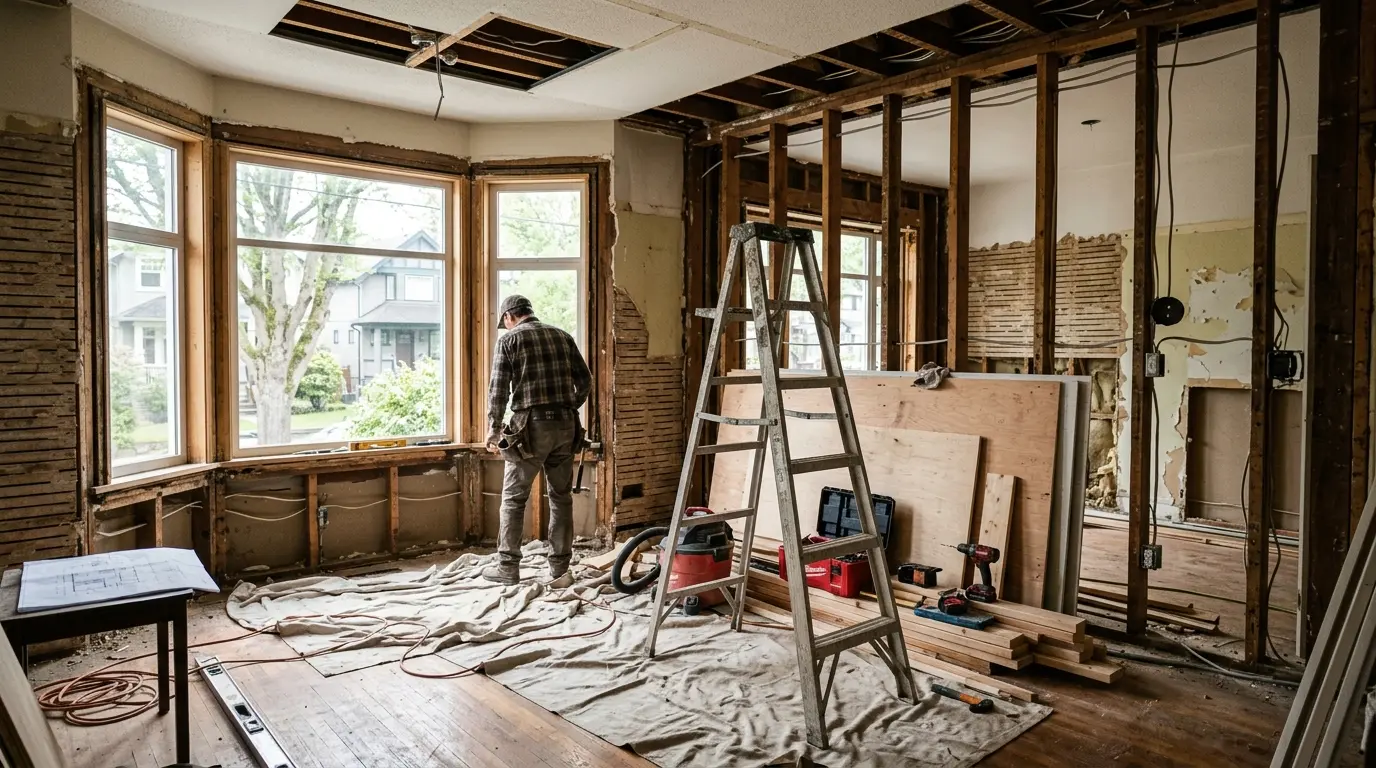
There’s a generational angle too. A lot of the homes hitting the market now were wired in the 1950s through 1970s. Some still have the original panel. If you see a fuse box rather than circuit breakers, or a panel that’s visibly small and old, treat it as a flag. While you’re down there, it’s worth checking for knob-and-tube or aluminum wiring, both of which carry their own cost and insurance headaches. A good home inspection will catch these red flags before you commit.
Panel upgrade vs. service upgrade — they aren’t the same thing
People use these terms interchangeably, and that confusion shows up in quotes that don’t match.
A panel upgrade
A panel upgrade replaces the breaker box itself — the grid of switches inside the home. You might do this because the panel is old, full, or a discontinued brand that insurers don’t like. A panel swap can keep the same amperage. Replacing a 100-amp panel with a new 100-amp panel gives you cleaner breakers and more circuit slots, but it does not give you more power coming into the house.
A service upgrade
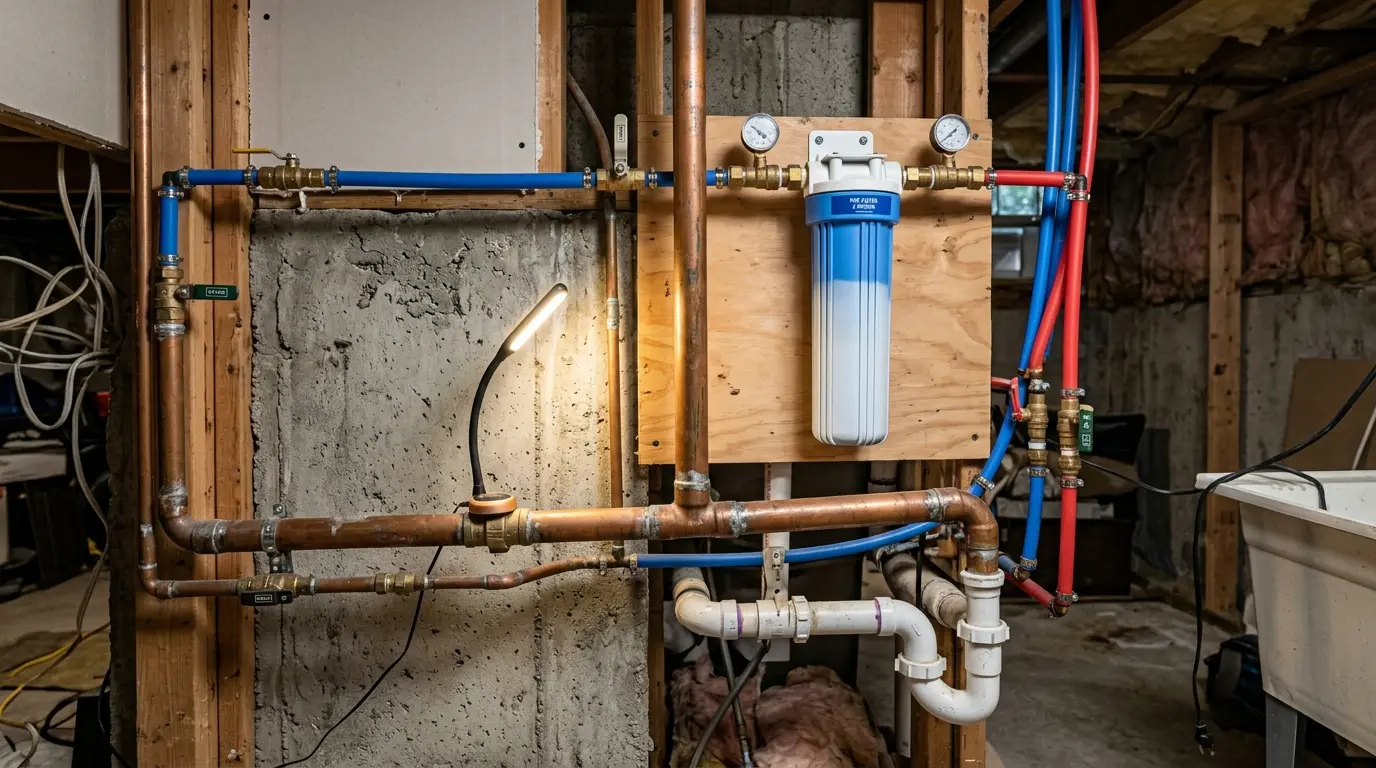
A service upgrade increases the actual capacity feeding the home, typically from 100 amps to 200 amps. This is the bigger job. It usually touches:
- The new panel itself
- The service entrance — the cables and conduit bringing power in
- The service mast or weatherhead on the roof, for overhead connections
- The meter base
- The grounding and bonding system
Because a service upgrade changes how much power the utility delivers, it requires coordination with BC Hydro to disconnect and reconnect the meter. Many older Vancouver homes need the full service upgrade, not just a fresh breaker box. If a quote only mentions a “new panel” but you’re planning to electrify, make sure you’re actually pricing the service capacity you’ll need.
What it actually costs
I’ll give you ranges here, but treat them as illustrative starting points, not quotes. Every house is different, and Vancouver’s older housing stock has a way of hiding surprises behind the drywall.
A straightforward 100-to-200-amp service upgrade in Vancouver generally lands somewhere around $3,500 to $8,000 for the panel and service entrance work. The spread depends on a handful of factors:
- Overhead vs. underground service. Overhead connections are usually cheaper to work with. An underground service entrance is more involved and pushes costs up.
- Distance and routing. How far the meter and panel sit from each other, and how easy the cable run is, both move the number.
- Service mast and grounding. Old masts and outdated grounding often have to be replaced to meet current code.
- What’s behind the walls. If the upgrade uncovers knob-and-tube, aluminum branch wiring, or a hack job from a past owner, the scope grows.
- BC Hydro’s side. If the connection from the street or transformer can’t support the increase, the utility’s portion of the work can add cost and time.
When BC Hydro has to upgrade its own equipment, or when the home needs significant rewiring alongside the service work, the total can climb past $10,000. I’ve seen estimates go higher on heavily renovated homes where nothing was done to code.
The honest takeaway: if you’re buying an older home and planning to electrify, set aside a contingency for this. It’s one of the more common “we didn’t budget for that” line items I see, and it’s worth folding into your numbers before you firm up. Our closing costs calculator covers the transaction side, but capital projects like this sit on top of it.
How the BC Hydro and permit process works
The order of operations trips a lot of homeowners up, so here’s the sequence.
Start with a licensed electrical contractor, not BC Hydro. Homeowners don’t call the utility directly to arrange a service upgrade. The contractor is the one who coordinates with BC Hydro. Your first call is to a licensed electrician who can assess the panel and run the load calculation.
The electrician pulls the permit. Electrical work in BC requires a permit. In most of the province that runs through Technical Safety BC, but the City of Vancouver administers its own electrical permits within city limits, so the path depends on exactly where the home is. Your contractor will know which applies and handle the filing.
The work gets done and inspected. The contractor installs the new service and panel, then it’s inspected to confirm it meets the BC Electrical Code. Permits and inspection exist for a reason — unpermitted electrical work is a real liability when you go to sell, and it can complicate insurance.
BC Hydro disconnects and reconnects. Because the meter has to come off during the swap, the contractor schedules the disconnect and reconnect with BC Hydro. There’s usually a short power outage while this happens. If BC Hydro needs to upgrade the line or connection on its end, that adds to the timeline.
The whole job is often a day or two of on-site work, but the scheduling around inspection and the utility can stretch the calendar, so don’t leave it to the last minute before a heat pump install.
How this ties into electrification rebates
Here’s the part that softens the cost. BC has been pushing hard on electrification, and several programs run through BC Hydro and CleanBC under the Better Homes BC umbrella. Rebates have been available for heat pumps, heat pump water heaters, and related upgrades.
What matters for this conversation: panel and service upgrades have sometimes qualified for a rebate when they’re tied to installing a qualifying heat pump or other efficient electric equipment. The logic is that the utility wants to remove the electrical barrier that stops people from electrifying. A standalone service upgrade with no efficiency equipment attached generally doesn’t qualify.
A few practical notes:
- Rebate programs, amounts, and eligibility rules change regularly, and funding sometimes runs out mid-year. Confirm what’s actually on offer before you build it into your budget.
- Many rebates require the work be done by a registered contractor and properly permitted, which is another reason not to cut corners on permits.
- Income-qualified households have at times had access to higher rebate amounts.
If you’re weighing the whole electrification picture, my guide to heat pumps in older Vancouver homes and the broader buyer’s guide are good companions to this one. And if the home you’re eyeing has redevelopment potential, the panel size is also worth understanding in the context of what R1-1 zoning lets you build, since a multiplex or laneway project will have its own service requirements.
Key Takeaways
- Older Vancouver homes often have 60- or 100-amp service that can’t safely power a modern mix of heat pump, EV charger, and induction range at once.
- A 200-amp service upgrade typically runs roughly $3,500 to $8,000 in Vancouver, and can exceed $10,000 if BC Hydro upgrades its connection or the home needs rewiring. These are illustrative ranges, not quotes.
- A panel upgrade replaces the breaker box; a service upgrade increases the actual power capacity. Many older homes need the full service upgrade, not just a new panel.
- Start with a licensed electrician, who runs the load calculation, pulls the permit through Technical Safety BC or the City of Vancouver, and coordinates the meter work with BC Hydro.
- Panel and service upgrades can sometimes earn a rebate when paired with a qualifying heat pump under CleanBC and BC Hydro programs, but standalone upgrades usually don’t.
- If you’re buying an older home with electrification plans, check the panel before you firm up and set aside a contingency for the upgrade.
Frequently Asked Questions
How much does it cost to upgrade to 200-amp service in Vancouver?
A typical 200-amp service upgrade in Vancouver runs roughly $3,500 to $8,000 for the panel and service entrance work, with the wide range depending on whether the line is overhead or underground, how far the meter sits from the panel, and whether the service mast and grounding need replacing. Costs can climb past $10,000 if BC Hydro has to upgrade the connection from the street or if the work uncovers knob-and-tube or aluminum wiring that needs attention. These are approximate, illustrative figures, not quotes.
Do I need 200-amp service for a heat pump?
Not always, but often. A modest ducted or ductless heat pump on its own may fit within a well-managed 100-amp panel. The problem is the combination: a heat pump plus an EV charger plus an induction range plus existing loads usually exceeds what 100 amps can safely carry. A licensed electrician runs a load calculation to tell you whether your panel has room or whether you need the upgrade.
Who do I call first, BC Hydro or an electrician?
Start with a licensed electrical contractor. They assess your panel, run a load calculation, pull the electrical permit through Technical Safety BC or the City of Vancouver, do the work, and coordinate the meter disconnect and reconnect with BC Hydro. Homeowners do not contact BC Hydro directly for a service upgrade; the contractor handles that coordination.
Is a panel upgrade the same as a service upgrade?
No. A panel upgrade replaces the breaker box and may keep the same amperage. A service upgrade increases the actual capacity coming into the home, often from 100 to 200 amps, and usually involves the service entrance, mast, meter base, and grounding, plus coordination with BC Hydro. Many older Vancouver homes need the full service upgrade, not just a new panel.
Are there rebates for upgrading my electrical panel?
Yes, in some cases. BC’s electrification programs, run through BC Hydro and CleanBC, sometimes offer panel-upgrade rebates when the upgrade is tied to installing a qualifying heat pump or other efficient electric equipment. Standalone panel upgrades with no efficiency equipment usually do not qualify. Program details and funding change, so confirm current offers on the betterhomesbc.ca and BC Hydro sites before you budget around a rebate.
Sources
- Technical Safety BC — electrical permits and licensing
- BC Hydro — electrification and connecting to the grid
- Better Homes BC — CleanBC rebates for heat pumps and home upgrades
- City of Vancouver — electrical permits
- CleanBC — provincial electrification programs
Work with Rain City Properties
Buying an older Vancouver home is often the right move, especially if you want character, a bigger lot, or room to add a laneway or build down the road. But the electrical service is one of those quiet line items that can reshape your renovation budget. I always tell clients to look in the basement before they fall for the floors.
If you’re weighing an older home and trying to figure out what it’ll really cost to make it work for you, I’m happy to walk through it and connect you with electricians and inspectors who do this work properly.
Contact Greyden Douglas directly at (604) 218-2289 or book a call to discuss your Vancouver real estate goals.
Frequently asked questions
How much does it cost to upgrade to 200-amp service in Vancouver?
A typical 200-amp service upgrade in Vancouver runs roughly $3,500 to $8,000 for the panel and service entrance work, with the wide range depending on whether the line is overhead or underground, how far the meter sits from the panel, and whether the service mast and grounding need replacing. Costs can climb past $10,000 if BC Hydro has to upgrade the connection from the street or if the work uncovers knob-and-tube or aluminum wiring that needs attention. These are approximate, illustrative figures, not quotes.
Do I need 200-amp service for a heat pump?
Not always, but often. A modest ducted or ductless heat pump on its own may fit within a well-managed 100-amp panel. The problem is the combination: a heat pump plus an EV charger plus an induction range plus existing loads usually exceeds what 100 amps can safely carry. A licensed electrician runs a load calculation to tell you whether your panel has room or whether you need the upgrade.
Who do I call first, BC Hydro or an electrician?
Start with a licensed electrical contractor. They assess your panel, run a load calculation, pull the electrical permit through Technical Safety BC or the City of Vancouver, do the work, and coordinate the meter disconnect and reconnect with BC Hydro. Homeowners do not contact BC Hydro directly for a service upgrade; the contractor handles that coordination.
Is a panel upgrade the same as a service upgrade?
No. A panel upgrade replaces the breaker box and may keep the same amperage. A service upgrade increases the actual capacity coming into the home, often from 100 to 200 amps, and usually involves the service entrance, mast, meter base, and grounding, plus coordination with BC Hydro. Many older Vancouver homes need the full service upgrade, not just a new panel.
Are there rebates for upgrading my electrical panel?
Yes, in some cases. BC's electrification programs, run through BC Hydro and CleanBC, sometimes offer panel-upgrade rebates when the upgrade is tied to installing a qualifying heat pump or other efficient electric equipment. Standalone panel upgrades with no efficiency equipment usually do not qualify. Program details and funding change, so confirm current offers on the betterhomesbc.ca and BC Hydro sites before you budget around a rebate.
Related Vancouver real estate pages
Continue with local service pages, neighbourhood guides, and actionable resources related to this topic.