Quick answer: BC's leaky condo crisis (1980s–90s) stemmed from face-sealed stucco that trapped water in wood-frame walls. Rainscreen construction, mandated by BC code changes around 1999, added a drainage gap that lets walls dry. Buyers of older Vancouver condos should check depreciation reports and engineering reports for envelope condition and remediation history.
BC's 1980s–90s leaky condo crisis came down to how buildings shed water. Here's what face-sealed stucco got wrong, how rainscreen fixed it, and what to check before you buy an older Vancouver condo.
Want a free assessment for your property?
Leave your name and phone — Greyden will call you back with a personalized market snapshot. No spam, no drip campaigns.
Join 1,000+ Vancouver homeowners. No spam, unsubscribe anytime.
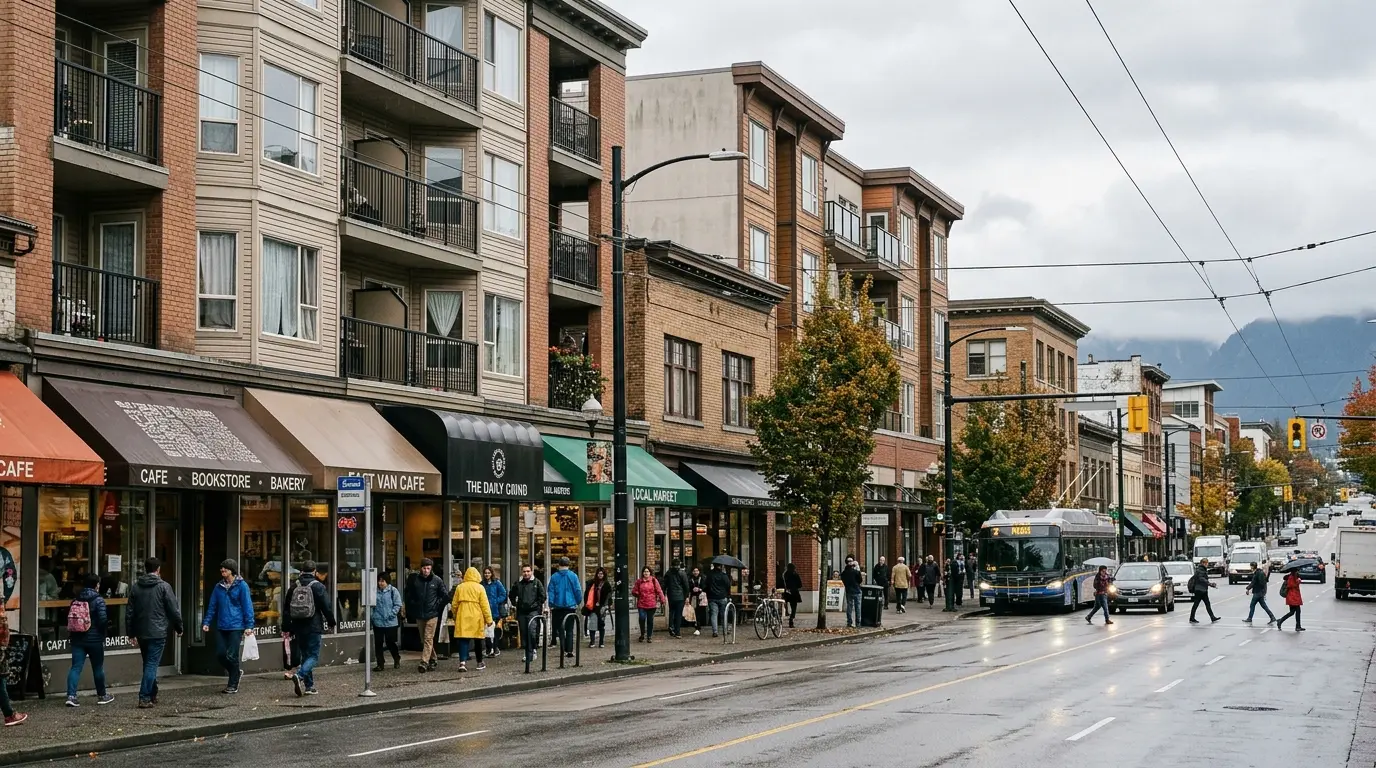
A buyer told me last spring that she’d ruled out every condo built before 2000. Her logic: “That’s the leaky condo era, right? I don’t want the headache.” I understood the instinct. But it cost her a genuinely good apartment, because the building she walked away from had been fully remediated almost twenty years ago. The expensive problem was already solved and paid for.
This is the thing about Vancouver’s leaky condo legacy. It’s real, it was costly, and it still shapes how we buy here. But “built before 2000” is a blunt instrument. What actually matters is how a building was put together, whether its walls failed, and if they did, whether someone fixed them properly.
If you’re shopping for a condo in this city, you should understand the difference between a wall that was designed to keep water out and a wall that was designed to let water leave. That one distinction is the whole story.
What the leaky condo crisis actually was
Through the late 1980s and into the 1990s, BC built a lot of wood-frame, multi-unit housing fast. Much of it used a wall design called “face-sealed” construction. The idea was simple and, on paper, reasonable: make the outer surface of the wall a perfect barrier so that no water ever gets in. Caulking, sealant, and stucco did the work of keeping the rain out.
The problem is that no outer seal stays perfect. Sealant cracks. Windows shift. Flashing details get missed. Water finds a way in around windows, balconies, and joints. In a dry climate, a little intrusion dries out and nobody notices. In Vancouver, where it rains for a good chunk of the year, water got in faster than the wall could ever dry. There was nowhere for it to drain and no air gap to help it evaporate.
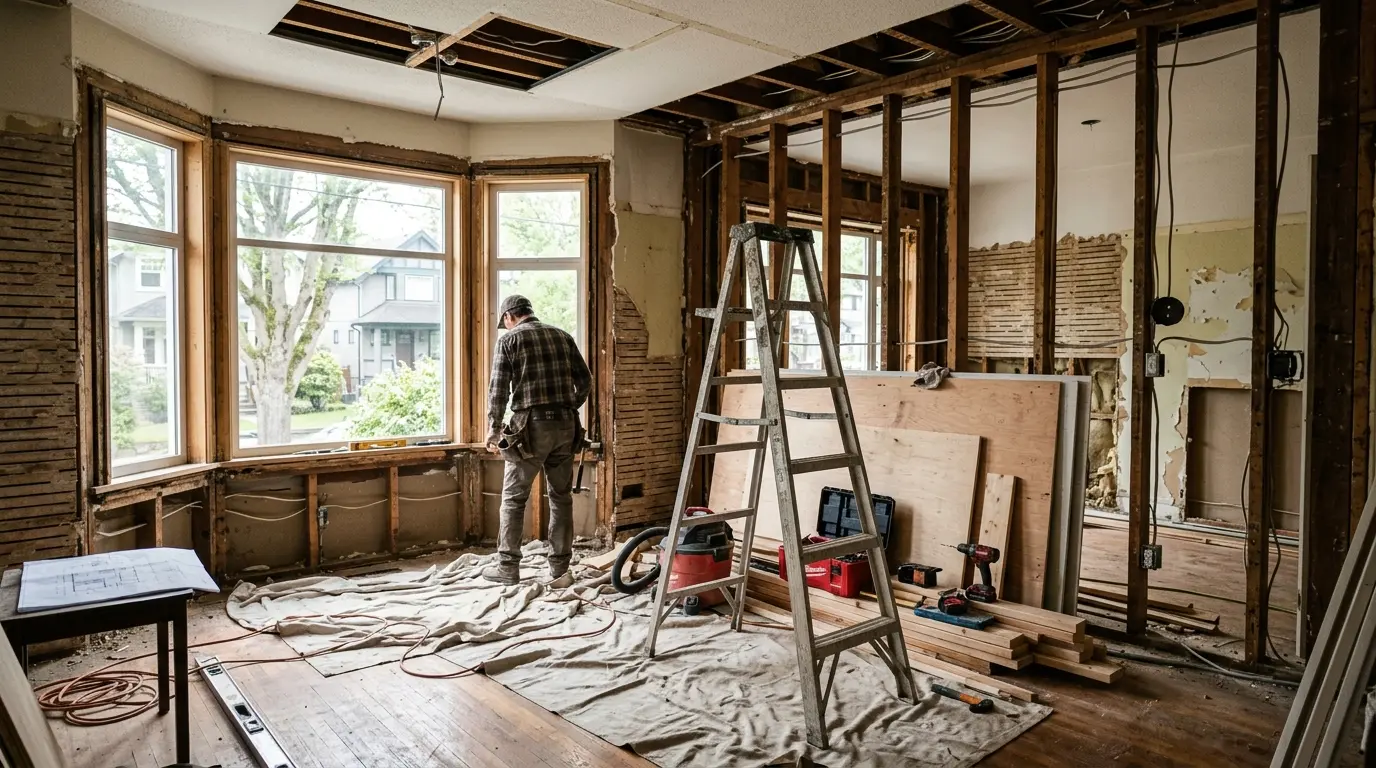
So it sat there, against wood framing and sheathing. Wood that stays wet rots. Over a few years, thousands of buildings across the Lower Mainland and Vancouver Island developed serious structural rot inside walls that looked fine from the street. Owners faced repair bills that often ran into the tens of thousands of dollars per unit. Some buildings were nearly worthless until they were fixed. The provincial government commissioned the Barrett Commission to investigate, and the findings reshaped how BC builds.
Why stucco took the blame (and why that’s only half right)
People often say “leaky condo” and “stucco” in the same breath, as if the material itself was the villain. Stucco was the common outer finish on a lot of these buildings, so it became the visual shorthand for the problem. But stucco isn’t inherently bad. The failure was the system behind it: applying stucco directly against the wall with no drainage gap, trusting it to be a flawless seal. A face-sealed wall with vinyl siding could fail the same way. The cladding wasn’t the cause. The assumption was.
How rainscreen construction fixed the physics
Rainscreen design starts from the opposite assumption: water will get past the outer cladding, so build the wall to handle it.
The key feature is a drained, ventilated cavity. Between the outer cladding and the inner weather barrier, builders leave a gap, usually created with strapping. If water gets behind the cladding, it runs down this gap and exits through flashing and weep holes at the bottom. Air moving through the cavity helps any residual moisture dry. The wall is allowed to get a little wet and then get rid of it, which is exactly what a wall in a rainy climate needs to do.
BC made this approach the standard through building code changes that came into effect around 1999, in direct response to the crisis. So as a rough rule, wood-frame buildings designed and permitted after that point were built to drain and dry. It’s not a magic cutoff date, and good builders were using rainscreen details before it was required, but it’s a useful anchor.
If you want to go deeper on how building science and inspections intersect when you’re buying, my piece on home inspection red flags for Vancouver buyers covers what a good inspector should be flagging on an older building.
Why building era matters when you buy
Here’s how I think about a building’s age when a client is shopping condos.
A building from after about 2000 was almost certainly built with rainscreen walls. That doesn’t make it perfect, but the envelope risk is much lower by design. Concrete high-rises are a different structure entirely and didn’t experience the leaky condo problem in the same way, though they have their own maintenance items.
The buildings that need real scrutiny are the wood-frame, low-rise ones from roughly the mid-1980s to the late 1990s. These fall into three groups:
- Buildings that were face-sealed and failed, then got a full rainscreen remediation. These can be excellent buys. The big bill is behind them, often decades ago.
- Buildings that were face-sealed and have not yet failed or been remediated. These carry the most uncertainty. The wall design that caused the crisis is still in place.
- Buildings that never had a serious problem for various reasons, sheltered location, good detailing, a roof overhang that kept walls drier. Less common, but they exist.
Your job as a buyer is to figure out which group a building is in. You don’t do that by looking at the lobby. You do it by reading the paperwork.
What to check in the depreciation report and engineering reports
This is where the real diligence happens, and it’s not glamorous. The depreciation report is a strata’s long-range plan for maintaining and repairing the building, and it’s the single most useful document for understanding envelope risk. I walk clients through how to read a strata depreciation report and the red flags to watch for before they make an offer, because it tells you what’s coming and roughly when.
When the topic is the building envelope, here’s what I look for.
Evidence of remediation, and its scope
Search the depreciation report, any engineering reports, and the strata council minutes for phrases like “building envelope remediation,” “rainscreen upgrade,” “full envelope replacement,” or “envelope repair.” You want to know what was done, when, and how complete it was. A full envelope remediation that replaced cladding, windows, and the weather barrier is a very different thing from a patch repair on one elevation. Note the year, and note who paid and how.
The condition of an unremediated envelope
If there’s no record of remediation, that’s not automatically bad, but it means the original walls are still doing their job. Look for any engineering assessment of the envelope’s current condition, signs of past water intrusion in the minutes (complaints of leaks, balcony repairs, window failures), and whether a depreciation report flags an envelope project as a future expense. An upcoming envelope project with no money set aside is the scenario that should make you cautious.
How repairs were funded, and what’s in the reserve
A building that paid for a big project through a special assessment years ago has done the hard part. A building staring down a major envelope project with a thin contingency reserve fund is telling you a special assessment may be coming, and you could be the owner who gets the bill. The depreciation report’s funding model and the strata’s reserve balance tell you how prepared they are.
Warranty and documentation quality
Remediation work done in the last couple of decades may carry warranty coverage, and well-run stratas keep the engineering reports and project records on file. Sparse or missing documentation on a building that clearly had work done is itself a yellow flag worth asking about.
Bringing in the right expert
I’m a realtor, not a building envelope engineer, and on an older wood-frame building I’ll often suggest a client budget for a building envelope professional to review the documents and, where it’s warranted, the building itself. An inspector who knows Vancouver’s stock can read a depreciation report and tell you whether the remediation history adds up or whether something’s missing. For a six-figure decision, a few hundred dollars of specialist review is cheap insurance.
The same logic applies to the unit-level review most buyers already do. If you want a practical walkthrough for the showing itself, my open house checklist for Vancouver buyers covers what to look at in person, and you can run the numbers on your total purchase costs with the closing costs calculator.
Key Takeaways
- The leaky condo crisis was caused by “face-sealed” wall construction that trusted a perfect outer seal, not by stucco itself. In Vancouver’s wet climate, trapped water rotted the wood framing.
- Rainscreen construction added a drained, ventilated cavity so walls can shed and dry the water that inevitably gets in. BC building code changes around 1999 made it standard for wood-frame buildings.
- “Built before 2000” is too blunt a filter. A fully remediated older building can be a safer buy than an untouched one with the original envelope.
- The depreciation report, engineering reports, and strata minutes are where you find remediation history, current envelope condition, and whether a future project is funded.
- An unremediated face-sealed building with a looming envelope project and a thin reserve fund is the risk to avoid. Disclosed, completed repairs are normal and often reassuring.
- For older wood-frame buildings, budget for a building envelope professional to review the documents before you commit.
Frequently Asked Questions
What was the leaky condo crisis in BC?
From the late 1980s through the 1990s, thousands of wood-frame condos in BC’s coastal climate suffered water intrusion and rot because their walls were built to be “face-sealed” — relying on a perfect outer seal with no way for trapped moisture to drain or dry. Vancouver’s heavy rain found the gaps, and many buildings needed full envelope replacement costing tens of thousands of dollars per unit.
What is rainscreen construction?
Rainscreen is a wall design that adds a drained, ventilated gap (a cavity) between the outer cladding and the inner moisture barrier. Any water that gets past the cladding drains down and out, and air movement lets the wall dry. BC building code changes around 1999 effectively required this approach for wood-frame buildings, ending the face-sealed era that caused the leaky condo crisis.
Is it safe to buy a condo built before 1999 in Vancouver?
It can be, but you need to check the building’s history. Many pre-1999 wood-frame buildings have already had full rainscreen remediation, which can make them sound long-term buys. Others never failed or were concrete (a different risk profile). Read the depreciation report, engineering reports, and strata minutes for envelope condition, remediation dates, and any warranty before you commit.
How can I tell if an older condo has been remediated?
Look in the strata’s depreciation report and engineering reports for terms like “building envelope remediation,” “rainscreen upgrade,” or “full envelope replacement,” along with the year and scope. Strata council minutes and annual general meeting records often reference the project and how it was funded. A building envelope professional can confirm the quality of past work.
Does remediation history affect a condo’s value or mortgage?
Yes. A completed, well-documented rainscreen remediation is generally a positive — the costly work is done. An unremediated building with a known envelope problem, or a special assessment pending, can lower value and make lenders cautious. Disclosed past repairs are normal; an undisclosed or unfunded future repair is the real risk.
Sources
- Homeowner Protection Office / BC Housing — home warranty and building protection in BC
- BC Building Code — Building and Safety Standards Branch, Province of BC
- City of Vancouver — building permits and construction requirements
- Canada Mortgage and Housing Corporation (CMHC) — building science and moisture management resources
- Engineers and Geoscientists BC — building envelope professional standards
Work with Rain City Properties
The leaky condo era left Vancouver with a stock of older buildings that range from “already fixed and worry-free” to “expensive problem waiting to surface.” Telling them apart is exactly the kind of legwork I do for clients before they write an offer, reading the reports, flagging the gaps, and bringing in a specialist when a building deserves a closer look.
If you’re weighing an older condo and want a clear read on its envelope history before you commit, let’s talk it through.
Contact Greyden Douglas directly at (604) 218-2289 or book a call to discuss your Vancouver real estate goals.
Frequently asked questions
What was the leaky condo crisis in BC?
From the late 1980s through the 1990s, thousands of wood-frame condos in BC's coastal climate suffered water intrusion and rot because their walls were built to be 'face-sealed' — relying on a perfect outer seal with no way for trapped moisture to drain or dry. Vancouver's heavy rain found the gaps, and many buildings needed full envelope replacement costing tens of thousands of dollars per unit.
What is rainscreen construction?
Rainscreen is a wall design that adds a drained, ventilated gap (a cavity) between the outer cladding and the inner moisture barrier. Any water that gets past the cladding drains down and out, and air movement lets the wall dry. BC building code changes around 1999 effectively required this approach for wood-frame buildings, ending the face-sealed era that caused the leaky condo crisis.
Is it safe to buy a condo built before 1999 in Vancouver?
It can be, but you need to check the building's history. Many pre-1999 wood-frame buildings have already had full rainscreen remediation, which can make them sound long-term buys. Others never failed or were concrete (a different risk profile). Read the depreciation report, engineering reports, and strata minutes for envelope condition, remediation dates, and any warranty before you commit.
How can I tell if an older condo has been remediated?
Look in the strata's depreciation report and engineering reports for terms like 'building envelope remediation,' 'rainscreen upgrade,' or 'full envelope replacement,' along with the year and scope. Strata council minutes and annual general meeting records often reference the project and how it was funded. A building envelope professional can confirm the quality of past work.
Does remediation history affect a condo's value or mortgage?
Yes. A completed, well-documented rainscreen remediation is generally a positive — the costly work is done. An unremediated building with a known envelope problem, or a special assessment pending, can lower value and make lenders cautious. Disclosed past repairs are normal; an undisclosed or unfunded future repair is the real risk.
Related Vancouver real estate pages
Continue with local service pages, neighbourhood guides, and actionable resources related to this topic.