Quick answer: History and current state of Mount Pleasant's Brewery Creek district, Vancouver's densest live-work area. IC-3 zoning established in the early 1990s led to 700+ artist live-work lofts including Artworks (76 units, 1994), Watershed (44 units, 1994), Artech Lofts (67 units, 1994), The Mecca (33 units, 1995), Main Space (124 units, 1995), and Granite Block (18 units, 1995). Entry-level pricing from $500K in 2026.
The story of how a cluster of industrial buildings south of False Creek became the densest concentration of artist live-work space in Western Canada — and why it still matters in 2026.
Want a free assessment for your property?
Leave your name and phone — Greyden will call you back with a personalized market snapshot. No spam, no drip campaigns.
Join 1,000+ Vancouver homeowners. No spam, unsubscribe anytime.
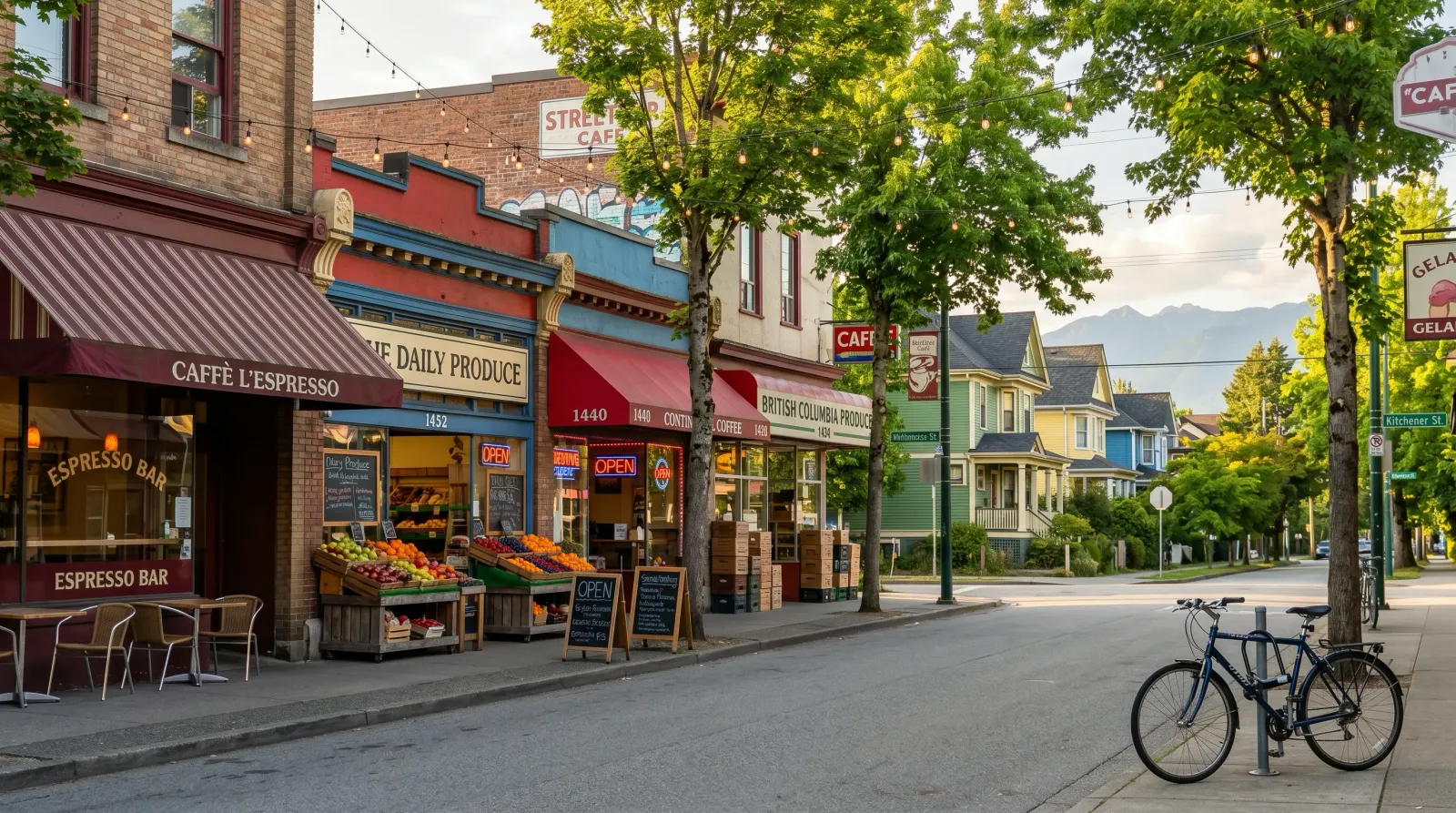
If you walk along East 4th Avenue between Main Street and Clark Drive today, you’ll see coffee shops, design studios, and yoga wear headquarters. You’ll see converted industrial buildings with floor-to-ceiling windows where someone is painting on the second floor and someone else is running a graphic design business on the ground level. You’ll see the occasional loading dock repurposed as a patio.
What you probably won’t see — unless you know where to look — is the zoning designation that made all of this possible: IC-3.
Before the Lofts
The area south of False Creek between Main and Clark was, for most of the 20th century, a working industrial zone. The name “Brewery Creek” comes from the creek that once flowed through the area and the breweries (Vancouver Brewery, Red Cross Brewery) that lined it. By the mid-century, the creek had been culverted and the area was a patchwork of warehouses, light manufacturing, and the occasional holdout residence.
By the late 1980s, the industrial economy was shifting. Manufacturing was moving to cheaper land in the suburbs. Warehouses were emptying. The neighbourhood was in transition — not quite abandoned, but clearly not thriving.
Artists had already started moving in, as artists do when industrial space becomes cheap. The high ceilings, raw finishes, and large floor plates that nobody wanted for manufacturing turned out to be perfect for painting, sculpture, and photography. It was informal, often technically illegal under existing zoning, and it worked.
The IC-3 Decision
In the early 1990s, the City of Vancouver did something unusual: instead of fighting the trend or rezoning the area for purely residential use, they created a zoning designation that formalised it. IC-3 — Industrial (Brewery Creek) — was designed to allow a mix of light industrial, live arts and theatre, and residential use.
This wasn’t a typical residential zone with commercial permissions tacked on. IC-3 genuinely balanced the uses. An artist could have a studio that was their primary occupation, living upstairs, without the studio being “accessory” to the residence. A photographer could have a shooting space with a walk-in client entrance. The zoning permitted what was already happening and created a framework for purpose-built live-work development.
The developers came fast.
The Building Boom (1993–2005)
The first wave of purpose-built live-work buildings arrived in rapid succession:
1993: Brewery Creek (280 E 6th Avenue) — The building that literally shares the district’s name. A heritage structure built in 1904, it was converted into 14 live-work townhouses by Kasian Kennedy Architects. This was the proof of concept. A 100-year-old industrial building could be a viable live-work conversion.
1994: Artworks (237 E 4th Avenue), Watershed (228 E 4th Avenue), Artech Lofts (336 E 1st Avenue) — Three buildings in a single year, adding 187 units to the neighbourhood. Artworks (76 units) became one of the largest live-work complexes in the city. Artech Lofts (67 units) pushed the eastern boundary toward Clark Drive. Watershed (44 units) filled in the 4th Avenue corridor.
1995: The Mecca (272 E 4th Avenue), Main Space (350 E 2nd Avenue), Granite Block (234 E 5th Avenue) — Another 175 units. Main Space (124 units) at 2nd and Ontario became the largest single live-work building in the area. The Mecca (33 units) and Granite Block (18 units) were more intimate, with the double-level lofts that became the Brewery Creek signature.
1996: Da Vinci Artist Studio (1850 Lorne Street) — 20 two-level units explicitly designed for artist production. The name made the intent clear.
2005: The Hub (205 E 10th Avenue) — 45 loft units extending the live-work concept south along Main Street under C-3A zoning.
By the mid-2000s, Brewery Creek had over 700 live-work units. Nothing else in Western Canada came close.
What the Buildings Are Actually Like
If you’ve never been inside a Brewery Creek live-work loft, here’s what to expect. The typical unit has:
- High ceilings — 14 to 17 feet in many buildings, with mezzanine levels that create the signature loft layout
- Open floor plans — Minimal interior walls, allowing residents to configure the space for their specific work
- Industrial finishes — Exposed concrete, brick where applicable, visible ductwork, polished concrete or raw hardwood floors
- Large windows — North-facing for even studio light in many of the purpose-built units
- Freight access — Many buildings have freight elevators or loading docks for moving large materials or equipment
The aesthetic is genuine — these buildings were designed to work, not to simulate working. The concrete is structural, not decorative. The ceiling height exists because you need clearance for a large canvas or a metal sculpture, not because it photographs well on Instagram.
That said, the industrial character comes with trade-offs. Sound travels freely in open-concept concrete boxes. High ceilings mean high heating bills in January. Storage is minimal — most units lack built-in closets. And the raw surfaces that look great in daylight can feel cold on a rainy November evening.
The Neighbourhood in 2026
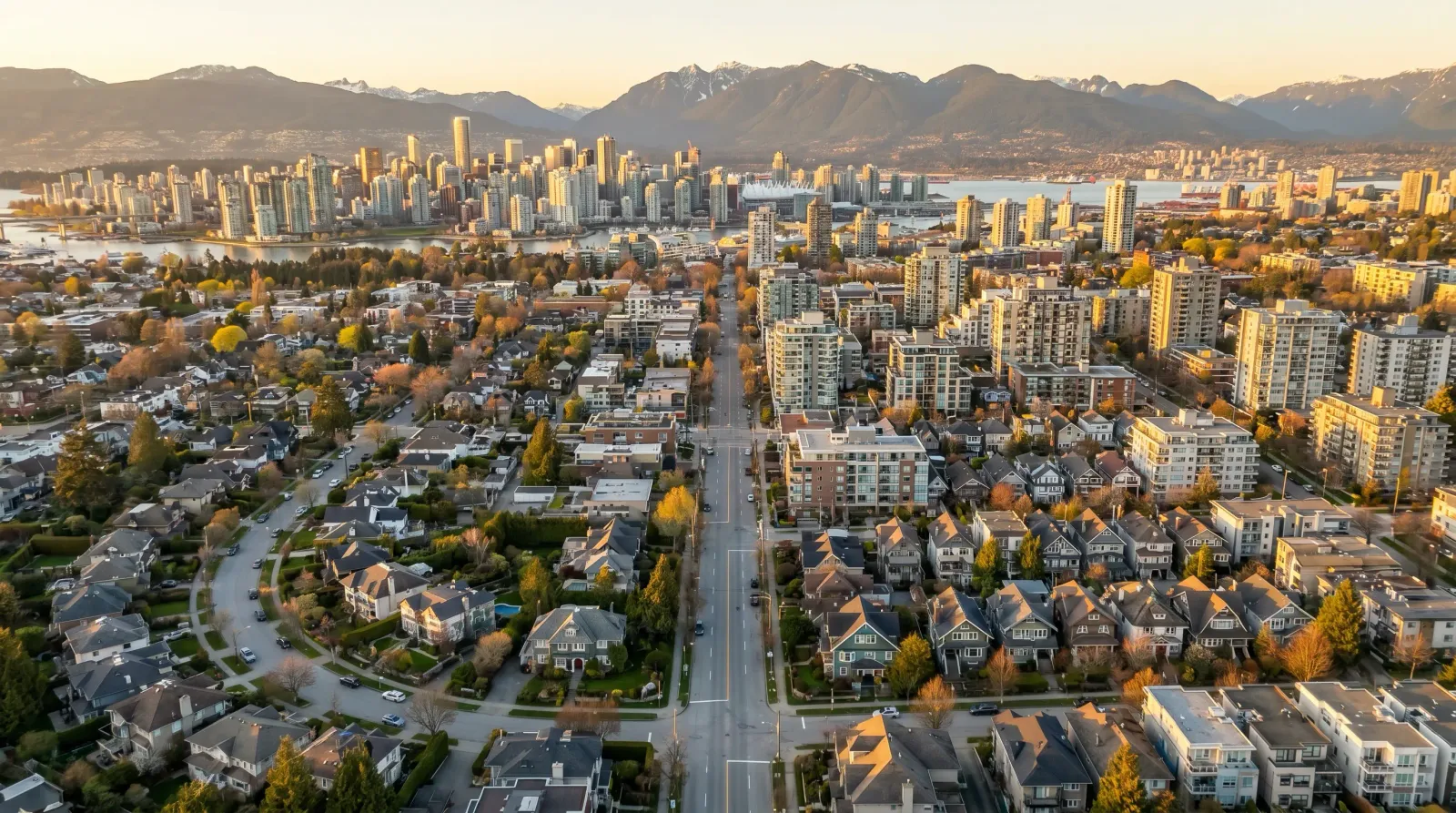
Mount Pleasant has changed dramatically since those first live-work buildings went up. The Main Street corridor is now one of Vancouver’s most sought-after retail streets. Emily Carr University of Art and Design relocated to the Great Northern Way campus just east of the neighbourhood. Restaurants, breweries (new ones, this time craft), and tech companies have filled in the commercial spaces.
The artist community that defined Brewery Creek’s identity hasn’t disappeared, but it has evolved. Some original residents have been priced out — a unit that sold for $135,000 in 1995 might sell for $650,000 today. Others have stayed, watching their equity grow while continuing to work from their lofts.
The IC-3 zoning remains intact, which means new live-work development is still theoretically possible, though very little buildable land remains. The existing buildings are the stock — and they’re not making more of them.
The Market Today
Live-work lofts in Brewery Creek are trading at some of the most attractive prices we’ve seen in years:
- Studios and small one-bedrooms (500–700 sq ft): $500K–$650K
- Standard one-bedroom lofts (700–1,000 sq ft): $650K–$800K
- Larger two-level lofts: $800K+
Monthly strata fees are generally reasonable — $350–$450 for most buildings — reflecting the low-maintenance industrial construction (no hallway carpets to clean, no decorative lobbies to maintain).
The buyer pool for these units is specific, which is both a challenge and an opportunity. You’re not competing with every first-time condo buyer in the city. You’re competing with other people who specifically want 16-foot ceilings and a loading dock.
Is Brewery Creek Right for You?
Buy here if: You’re an artist, photographer, designer, consultant, or maker who genuinely needs integrated workspace. You appreciate raw industrial aesthetic over polished finishes. You want to be in the creative heart of Mount Pleasant with walking distance to Main Street shops, transit, and Emily Carr.
Think twice if: You want a turn-key home with built-in storage and quiet neighbours. You’re bothered by sound transfer in open-concept spaces. You need a conventional mortgage from a big bank — live-work financing requires more effort.
Invest here if: You want a property type with limited supply (no new IC-3 land), steady demand from the creative community, and a price point that’s pulled back from recent highs.
Browse all Brewery Creek buildings and the rest of Vancouver’s verified live-work directory at Live-Work Buildings in Vancouver.
Want to tour live-work units in Brewery Creek? Get in touch — I know these buildings inside out.
Related Vancouver real estate pages
Continue with local service pages, neighbourhood guides, and actionable resources related to this topic.