Quick answer: A buyer's guide to heritage homes in Vancouver covering the legal difference between heritage register listing and heritage designation, alteration and demolition restrictions, available incentives like Heritage Revitalization Agreements and density transfer, and renovation and insurance challenges.
Heritage register listing and legal heritage designation are not the same thing, and the difference changes what you can renovate, sell, or demolish. Here is what I tell Vancouver buyers before they fall for the porch.
Want a free assessment for your property?
Leave your name and phone — Greyden will call you back with a personalized market snapshot. No spam, no drip campaigns.
Join 1,000+ Vancouver homeowners. No spam, unsubscribe anytime.
A buyer called me last spring, genuinely excited about a house near Trafalgar Park. Built around 1910, original front porch, leaded glass in the front windows, the kind of place that stops you on the sidewalk. “It’s a heritage home,” she told me, the way you’d mention a new roof. She thought it was a selling point with no downside.
My first question was the one most people can’t answer: is it on the heritage register, or is it legally designated? She didn’t know there was a difference. Almost nobody does until it matters.
That difference is the whole ballgame when you buy an older Vancouver home. One is a list the city keeps. The other is a legal restriction attached to the property’s title that follows the house from owner to owner. Both can be fine to buy. But they are not the same purchase, and confusing them is how people end up surprised after they’ve already removed their subjects.
Here is what I walk every buyer through before they get attached to the porch.
Heritage register versus heritage designation
These two terms get used interchangeably in listings, and they shouldn’t be.
The Vancouver Heritage Register is a list
The City of Vancouver keeps a Heritage Register, which is an inventory of buildings, landscapes, and sites the city has identified as having heritage value. Thousands of Vancouver properties are on it. Being listed does not, on its own, legally stop you from renovating or even demolishing the home.
What it does do is trigger a review. If you apply to demolish or substantially alter a registered building, the city can require a waiting period and may ask you to look at retaining the structure. It is a speed bump and a conversation, not a locked gate. Many owners of registered homes renovate freely for years without much friction.
Heritage designation is a legal protection on title
Designation is a different animal. It is enacted through a city bylaw and registered against the property’s title. Once a home is designated, you cannot alter its protected features or demolish it without the city’s approval. That protection stays with the property permanently. When you sell, the next owner inherits the same restrictions.
The practical takeaway: pull the title and the city’s heritage file before you write an offer, or at minimum make your offer conditional on reviewing them. A title search will show a designation. It will not always be obvious from the MLS listing, and a seller’s agent may genuinely not know the distinction either.
What you can and can’t change
The restrictions on a designated home are tied to its “character-defining elements,” which are spelled out in a document called a Statement of Significance. This is the part buyers consistently underestimate.
The protected elements are usually exterior and visible: the roofline, the front facade, original windows and trim, the porch, sometimes the original siding and the relationship of the house to the street. Those are the things the designation is meant to preserve.
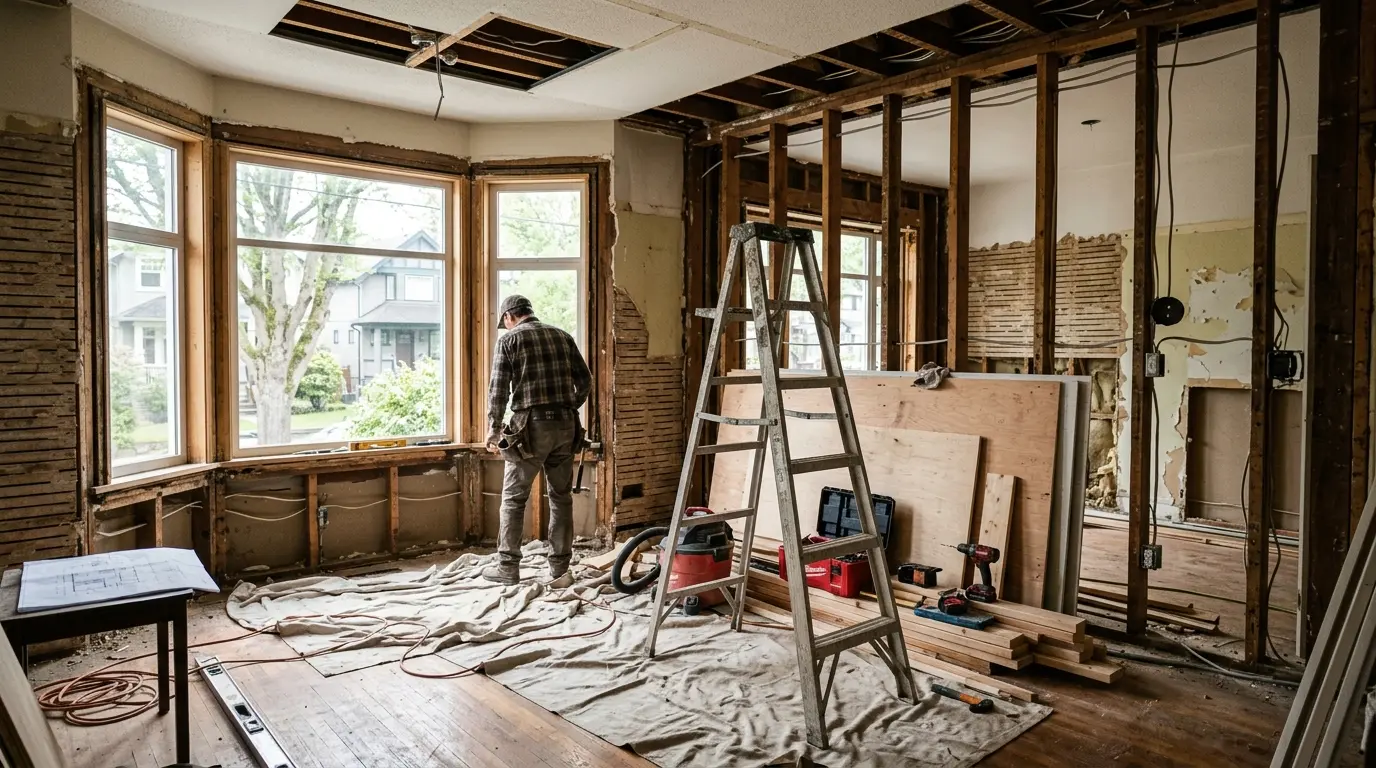
What you change inside is generally more flexible. Updating wiring, plumbing, insulation, and the kitchen and bathrooms behind the original walls is usually allowed, as long as you meet the building code and don’t disturb a protected interior feature (some homes have protected interiors, most don’t).
Any work touching the protected features needs a Heritage Alteration Permit from the city. That process takes longer than a standard permit, and the city may require you to match original materials. Replacing rotten original wood windows with vinyl, for example, is often a non-starter on a designated home. You repair or replicate instead, which costs more.
If you’re comparing this to the broader world of older Vancouver houses, my guide on the Vancouver Special and its history covers the non-heritage end of the character-home spectrum, where you have far more freedom.
The incentives, and they can be real
Designation sounds like all restriction and no upside. It isn’t. Vancouver has built a set of incentives specifically because preserving these buildings costs owners money, and the city wants to make it worth their while.
Heritage Revitalization Agreements
The biggest tool is the Heritage Revitalization Agreement, or HRA. This is a negotiated contract between the owner and the city. You agree to legally protect and restore the heritage building. In exchange, the city can relax the zoning rules that would normally apply to your lot.
In practice that relaxation can be significant. An HRA might allow a second dwelling on the property, extra floor area, a strata subdivision, or a use the underlying zoning wouldn’t permit. I’ve seen HRAs turn a money-losing restoration into a project that pencils out, because the added density on the lot pays for the conservation work on the original house.
Every HRA is negotiated individually and registered on title. There is no standard template, and they take time and professional help to put together. If a listing advertises “HRA potential,” treat that as a starting point to verify with the city, not a promise.
Density transfer and tax relief
For some heritage properties, particularly in the downtown core, the city has used density transfer, where unused development potential from a protected site can be sold and applied to another property. This is more relevant to commercial and large sites than to a typical detached house, but it’s part of the toolkit.
The city has also offered property tax relief and grant programs tied to maintaining designated buildings. These programs change, carry conditions, and aren’t guaranteed, so confirm what’s currently on offer with the city’s heritage staff rather than assuming last year’s program still exists.
Renovation, maintenance, and insurance reality
Owning one of these homes is a long-term relationship with an old building, and it helps to go in clear-eyed.
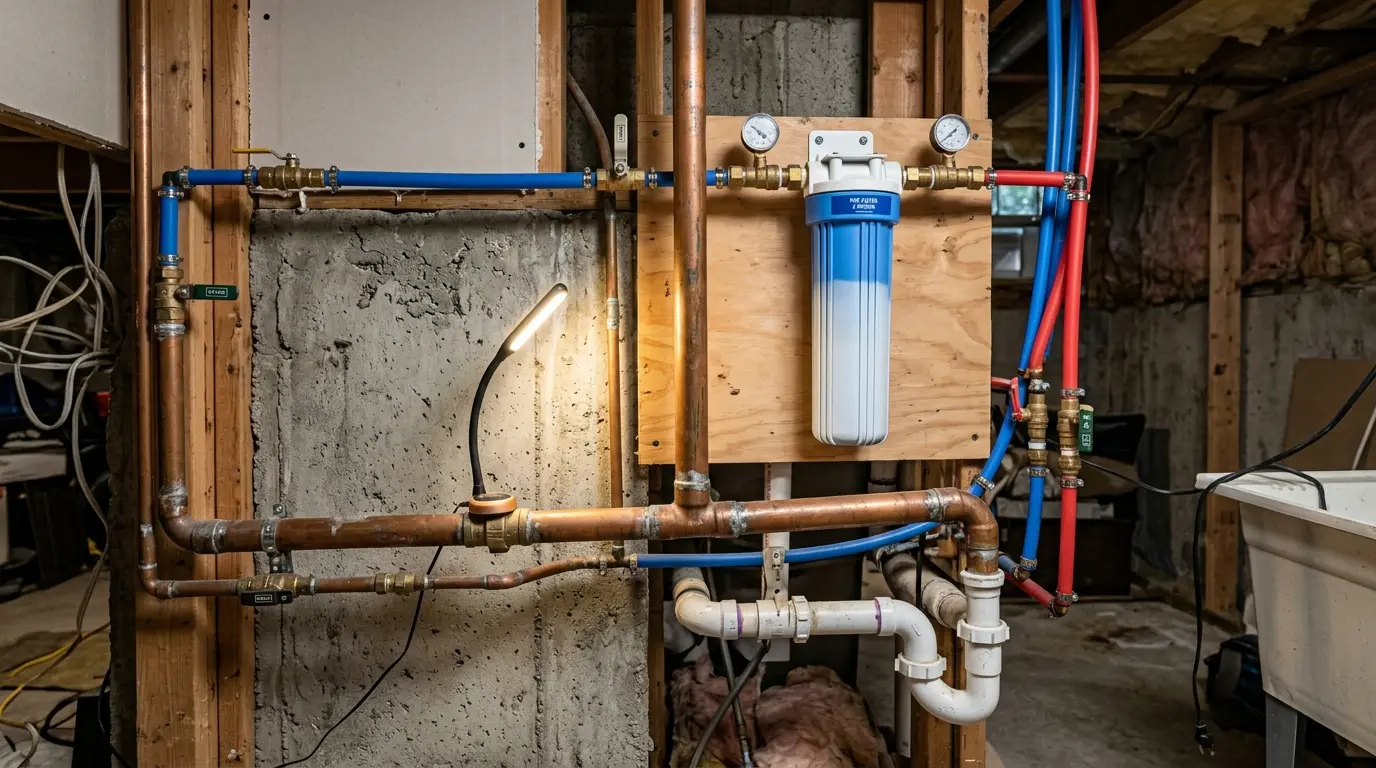
The maintenance is real. Original wood windows need repainting and reglazing. Cedar roofs, original masonry chimneys, and old-growth fir trim all cost more to maintain properly than their modern equivalents. Many of these homes also predate any of the systems we now take for granted, so you may be dealing with knob-and-tube wiring, an old boiler, or in some older properties a buried oil tank. I’d strongly recommend reading up on underground oil tanks in older Vancouver homes and getting a proper inspection. My home inspection red flags guide is worth a read before you book one.
Insurance is the part buyers forget. Some insurers charge more or cap coverage on heritage homes because rebuilding with matching materials after a fire or flood costs far more than standard construction. A handful of lenders are also cautious about designated properties because of the resale restrictions. None of this is a dealbreaker, but line up an insurer and a mortgage broker who have done heritage homes before, and do it during your subject period, not after.
Budget for the conservation work itself in realistic ranges. A proper restoration of original wood windows across a whole house can run several thousand dollars per opening once you factor in repair, reglazing, and storm windows, far more than swapping in new units. These figures are illustrative and depend heavily on the home, but the point stands: matching original quality costs a premium, and the city may require it.
Who these homes are right for
After enough of these transactions, I’ve got a fairly clear sense of who thrives in a heritage home and who regrets it.
They suit buyers who actually want the old house, not just the look of it. People who’ll happily repaint the original windows, who see the permit process as the price of stewardship rather than an insult, and who have the budget and patience for it. They also suit investors who can see the math in an HRA, where the density unlock funds the restoration.
They’re a poor fit for buyers who want a quick gut-and-flip, who need to move fast on permits, or who are stretching their budget so thin that an unexpected $40,000 restoration would sink them. If your real goal is a modern open-plan home, buying a designated heritage house and fighting the city over it is the hard way to get there.
If you’re weighing a heritage home against other older Vancouver housing, run the numbers honestly, including the carrying and conservation costs. My closing costs calculator covers the purchase side, but for these homes the long-term maintenance budget matters just as much.
Key Takeaways
- The Heritage Register is a list that can slow a demolition but doesn’t legally prevent alterations. Heritage designation is a binding legal restriction registered on title that follows the property to every future owner.
- Always pull the title and the city’s heritage file before you commit. A listing may not make the distinction clear, and a designation won’t always be obvious from the MLS.
- Designated homes protect “character-defining elements,” usually the exterior and facade. Interior modernization is generally more flexible, but exterior work needs a Heritage Alteration Permit and may require matching original materials.
- A Heritage Revitalization Agreement can unlock real value, such as added density or a second dwelling, in exchange for protecting and restoring the building. Verify any advertised “HRA potential” directly with the city.
- Budget for higher maintenance, possible insurance premiums, and a longer permit timeline. Line up a heritage-experienced insurer and lender during your subject period.
Frequently Asked Questions
What is the difference between the Vancouver Heritage Register and heritage designation?
The Heritage Register is a list the city keeps of buildings with heritage value. Being on the register does not legally stop you from altering or demolishing the home, though it can trigger a delay and a city review. Heritage designation is a legal protection registered on the property’s title through a bylaw. A designated home cannot be altered or demolished without the city’s approval, and that protection stays with the property when it is sold.
Can I renovate a heritage-designated home in Vancouver?
Yes, but alterations that affect the protected features need a Heritage Alteration Permit from the City of Vancouver. Work that does not touch the protected exterior or character-defining elements is usually easier to approve. Interior work behind the scenes, such as wiring, plumbing, and insulation, is generally allowed, though you still have to meet the building code. Plan for a longer permit timeline and budget for materials that match the original.
What is a Heritage Revitalization Agreement?
A Heritage Revitalization Agreement, or HRA, is a negotiated contract between an owner and the City of Vancouver. The owner agrees to legally protect and restore the heritage building, and in exchange the city may relax zoning rules, such as allowing extra density, a second home on the lot, or a use the zoning would not normally permit. Each HRA is negotiated case by case and registered on title.
Is it harder to insure or finance a heritage home?
It can be. Some insurers charge more or limit coverage because replacing original materials after a loss costs more than standard construction. A few lenders are cautious about designated properties because of the restrictions on what you can do with them. It is worth lining up an insurer and a mortgage broker familiar with heritage homes before you remove your subjects.
Are there tax breaks for owning a heritage home in Vancouver?
There can be. The City of Vancouver has offered property tax relief and grant programs tied to maintaining and restoring designated heritage buildings, and an HRA can carry incentives of its own. Programs change over time and have conditions attached, so confirm what is currently available with the city before you count on it.
Sources
- City of Vancouver — Heritage conservation and the Heritage Register
- Heritage BC — heritage conservation guidance and programs
- Vancouver Heritage Foundation — homeowner resources and grants
- BC Government — local government heritage conservation tools
- Land Title and Survey Authority of British Columbia — title searches
Work with Rain City Properties
Heritage homes reward the right buyer and frustrate the wrong one, and the only way to know which you are is to read the title and the city file before you fall for the porch. I help Vancouver buyers do exactly that, including pulling the heritage records, sorting out what’s restricted, and bringing in heritage-savvy inspectors, insurers, and lenders before subjects come off.
Contact Greyden Douglas directly at (604) 218-2289 or book a call to discuss your Vancouver real estate goals.
Frequently asked questions
What is the difference between the Vancouver Heritage Register and heritage designation?
The Heritage Register is a list the city keeps of buildings with heritage value. Being on the register does not legally stop you from altering or demolishing the home, though it can trigger a delay and a city review. Heritage designation is a legal protection registered on the property's title through a bylaw. A designated home cannot be altered or demolished without the city's approval, and that protection stays with the property when it is sold.
Can I renovate a heritage-designated home in Vancouver?
Yes, but alterations that affect the protected features need a Heritage Alteration Permit from the City of Vancouver. Work that does not touch the protected exterior or character-defining elements is usually easier to approve. Interior work behind the scenes, such as wiring, plumbing, and insulation, is generally allowed, though you still have to meet the building code. Plan for a longer permit timeline and budget for materials that match the original.
What is a Heritage Revitalization Agreement?
A Heritage Revitalization Agreement, or HRA, is a negotiated contract between an owner and the City of Vancouver. The owner agrees to legally protect and restore the heritage building, and in exchange the city may relax zoning rules, such as allowing extra density, a second home on the lot, or a use the zoning would not normally permit. Each HRA is negotiated case by case and registered on title.
Is it harder to insure or finance a heritage home?
It can be. Some insurers charge more or limit coverage because replacing original materials after a loss costs more than standard construction. A few lenders are cautious about designated properties because of the restrictions on what you can do with them. It is worth lining up an insurer and a mortgage broker familiar with heritage homes before you remove your subjects.
Are there tax breaks for owning a heritage home in Vancouver?
There can be. The City of Vancouver has offered property tax relief and grant programs tied to maintaining and restoring designated heritage buildings, and an HRA can carry incentives of its own. Programs change over time and have conditions attached, so confirm what is currently available with the city before you count on it.
Related Vancouver real estate pages
Continue with local service pages, neighbourhood guides, and actionable resources related to this topic.