Quick answer: A 2026 guide to Collingwood, a transit-rich East Vancouver neighbourhood along the Expo SkyTrain Line, covering price tiers, the first-time-buyer appeal, rental potential, and Bill 44 multiplex redevelopment outlook.
A working realtor's guide to buying in Collingwood: the price tiers, the SkyTrain advantage along the Expo Line, the shift toward multiplex density under Bill 44, and why this East Vancouver neighbourhood keeps drawing first-time buyers and investors.
Want a free assessment for your property?
Leave your name and phone — Greyden will call you back with a personalized market snapshot. No spam, no drip campaigns.
Join 1,000+ Vancouver homeowners. No spam, unsubscribe anytime.
A couple I worked with last year had all but given up on Vancouver. They’d spent months searching on the West Side, lost a few bidding wars, and were seriously talking about moving to the suburbs. We took one afternoon and drove through Collingwood instead. By the end of it, they were writing an offer.
That’s Collingwood in a sentence. It’s the East Vancouver neighbourhood that keeps rescuing buyers who thought the city was out of reach. It sits in the southeast corner of Vancouver, straddling the Kingsway corridor, and it’s built around one thing that matters enormously to a lot of buyers: direct rapid transit into downtown.
I want to give you an honest picture of what Collingwood costs, who buys here, what daily life is like, and the zoning shift that’s quietly turning ordinary lots into something bigger.
Where Collingwood is and what defines it
Collingwood runs along the southeast edge of Vancouver, bordering Burnaby. Kingsway cuts through it diagonally as the main commercial spine, lined with restaurants, grocers, and small shops that reflect the neighbourhood’s diverse, working community. The heart of the area, at least in real estate terms, is Joyce-Collingwood Station on the Expo SkyTrain Line.
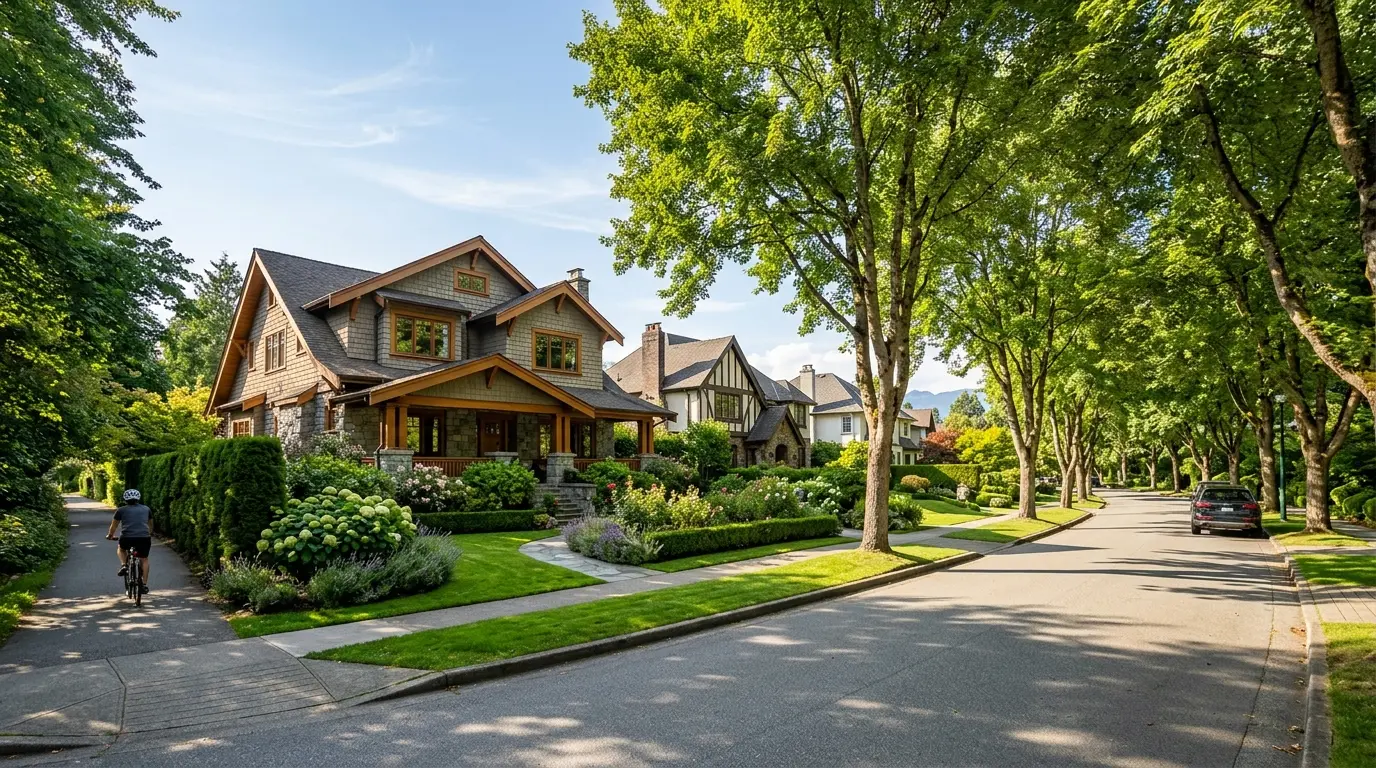
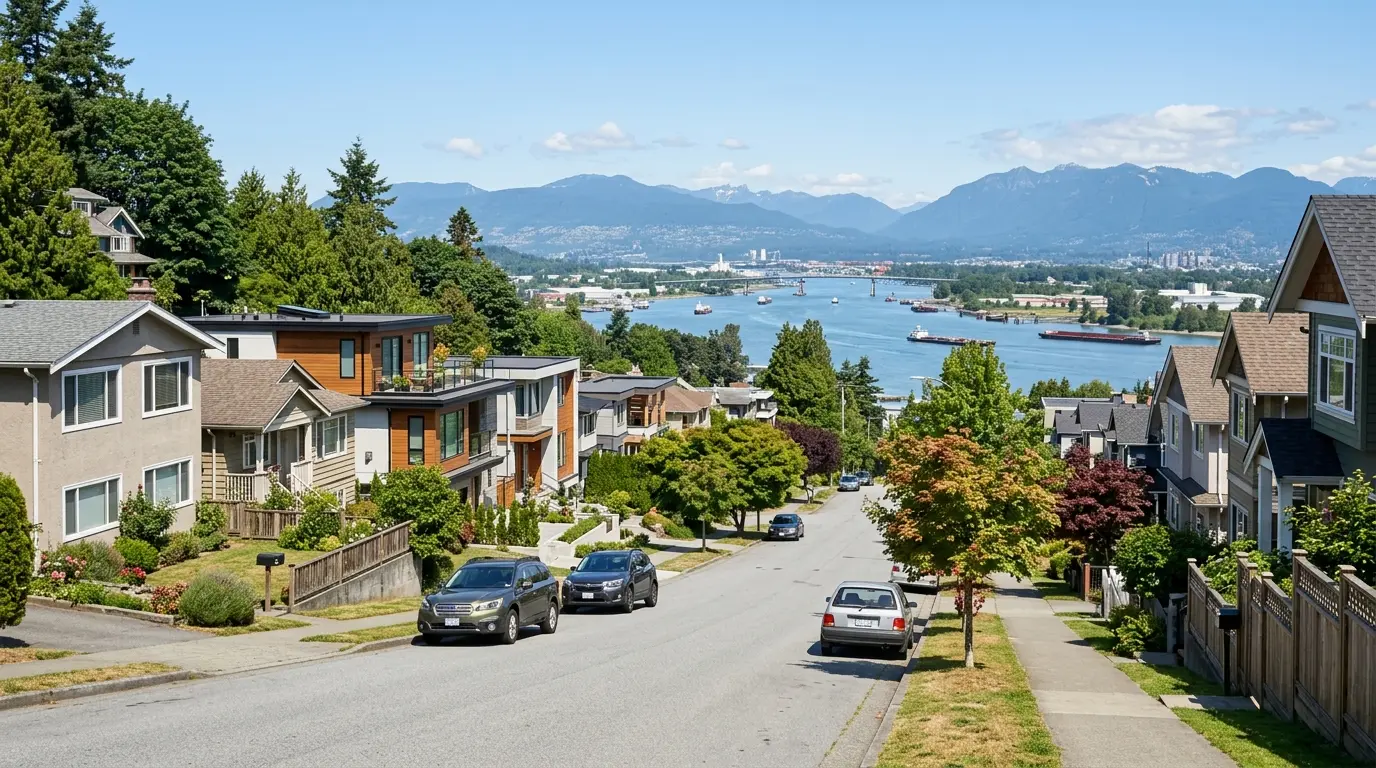
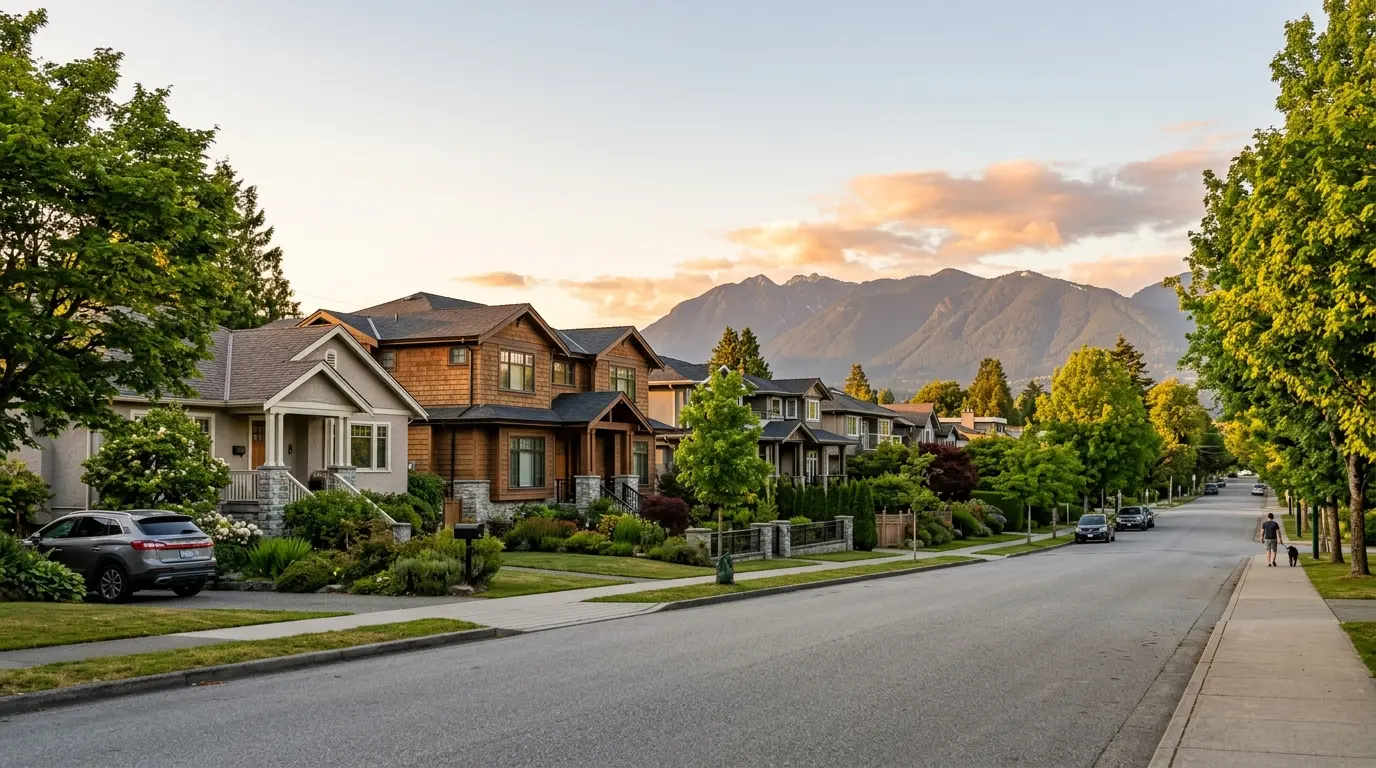
The housing stock is a real mix. You’ll find post-war bungalows and Vancouver Specials on standard lots, plenty of 1990s and 2000s rebuilds, a growing supply of townhouses, and a cluster of condo towers near the station. That range is part of the appeal: there’s an entry point here for almost every budget.
Price tiers: what your money buys
Let me be direct, because price is the first thing every buyer asks. Collingwood generally trades below Vancouver’s citywide detached benchmark, which sat around $1.85 million as of early 2026. For a full lot inside city limits, that’s about as accessible as detached Vancouver gets.
Here’s roughly how I see the tiers, keeping in mind these are illustrative and shift with the market.
Entry point: condos and townhouses near the station
The lowest entry price in Collingwood is a condo or townhouse near Joyce-Collingwood Station. For first-time buyers who care most about the SkyTrain and don’t need a yard, this is where a lot of people start. If you’re weighing this route, our guide on buying near SkyTrain in Vancouver covers the premium and the trade-offs.
Mid-tier: older detached homes and Vancouver Specials
Move up and you’re looking at older detached houses, many of them Vancouver Specials with a basement suite already in place. These are popular with buyers who want a mortgage helper. The rental income from a legal suite can meaningfully offset the monthly cost.
Top tier: renovated and newer builds
At the upper end are recently renovated homes and newer builds on full lots. These still tend to price below comparable West Side houses, which is exactly why move-up buyers from other parts of the city keep landing here.
Whatever tier you’re in, if you want to know what your purchase will actually cost once you add land transfer tax, legal fees, and the rest, our closing costs calculator gives you a realistic cash-to-close figure.
Who buys in Collingwood
In my experience, Collingwood draws three groups.
The largest is first-time buyers. They’re often people who started looking elsewhere, ran into the West Side price wall, and discovered they could get far more here for the same money, with a direct train downtown as a bonus.
The second group is investors. The combination of lower entry prices, strong rental demand near the station, and suite income makes Collingwood one of the more workable rental markets in the city. If that’s your angle, our Vancouver rental property ROI guide walks through the real numbers.
The third and fastest-growing group is builders and long-term holders looking at lots through a redevelopment lens. That’s a direct result of the zoning changes I’ll get to next.
The lifestyle: transit, Kingsway, and everyday convenience
The single biggest draw is the SkyTrain. Joyce-Collingwood Station puts you a direct ride from downtown Vancouver in one direction and Metrotown in Burnaby in the other. For anyone who commutes, that’s a genuine daily quality-of-life difference, and it’s the number one reason people choose Collingwood over a car-dependent area.
Day to day, life happens along Kingsway. It’s a busy, practical corridor with grocers, family restaurants, and everyday services. This is not a quiet, tree-lined enclave, and I tell buyers that plainly. Kingsway carries traffic and noise. If you want calm on your doorstep, look at the interior residential streets away from the corridor, where it’s noticeably quieter.
For green space, Central Park in neighbouring Burnaby is close, and there are smaller neighbourhood parks and community facilities throughout the area.
Bill 44, multiplexes, and the redevelopment outlook
Here’s the part of the Collingwood story that’s changed the most in the last couple of years.
Under BC’s Bill 44 housing legislation and the City of Vancouver’s corresponding zoning, most standard single-family lots in Collingwood now carry R1-1 zoning. On a typical lot, R1-1 permits up to eight units, a small-scale multiplex, where a couple of years ago you could build a single house plus, in many cases, a laneway home.
On top of that, parts of Collingwood fall under the Norquay Village neighbourhood plan and sit near the Kingsway corridor, both of which allow additional forms of density like townhouses and low-rise apartments. So Collingwood has two overlapping density stories running at once.
What does that mean in practice? A few things.
First, land value has firmed up. A builder evaluating a lot for six or eight units can often justify paying more than a family would for the house as a home. So the entry-level older house and the redevelopment lot are frequently the same listing.
Second, you’ll see more multiplex and townhouse construction across the neighbourhood over the coming years. If you want to understand how these projects actually pencil out, our multiplex page goes much deeper.
Third, it changes how you read a listing. A tired Vancouver Special near the station isn’t just a fixer. It’s a development site, and it’ll likely be priced and contested as one. Our explainer on R1-1 zoning in Vancouver breaks down units, setbacks, and the practical limits.
A word of caution: zoning permission is not the same as a guaranteed, profitable project. Setbacks, parking, servicing costs, and construction pricing all shape what you can actually build and whether the numbers work. Always confirm what a specific lot allows with the City of Vancouver, and run real construction costs before you buy on a development thesis.
Key Takeaways
- Collingwood is one of East Vancouver’s strongest value neighbourhoods, built around direct SkyTrain access at Joyce-Collingwood Station on the Expo Line.
- Detached prices generally trade below the citywide detached benchmark of roughly $1.85 million as of early 2026, with condos and townhouses near the station as the lowest entry point.
- It’s a favourite for first-time buyers and investors, partly because many older homes come with a legal rental suite that helps carry the mortgage.
- Most standard lots are now R1-1 zoned, allowing up to eight units under Bill 44, and parts near Norquay Village and Kingsway allow additional density.
- The trade-off is a busier, more urban feel; interior streets are quieter than the Kingsway corridor.
- Zoning permission does not guarantee a viable project; confirm setbacks, parking, and real construction costs before buying to develop.
Frequently Asked Questions
Is Collingwood a good neighbourhood to buy in Vancouver?
Collingwood is one of East Vancouver’s better value neighbourhoods for buyers who want transit access without West Side prices. It sits on the Expo SkyTrain Line at Joyce-Collingwood Station, has a mix of older homes and newer townhouses, and detached prices generally run below the citywide benchmark. The trade-off is a busier, more urban feel than a quiet west-side street.
How much does a house cost in Collingwood in 2026?
Collingwood detached homes typically trade below Vancouver’s citywide detached benchmark of roughly $1.85 million as of early 2026, making it one of the more accessible East Vancouver areas for a full lot. Older homes and teardown lots are the entry point, while renovated or newer builds command more. Condos and townhouses near Joyce-Collingwood Station offer the lowest entry price of all.
Is Collingwood good for first-time buyers?
Yes. Collingwood is popular with first-time buyers because it combines relatively lower prices, direct SkyTrain access to downtown, and a wide range of condo and townhouse options near the station. Many buyers also value the rental-suite potential in older houses, which can help carry a mortgage.
Can you build a multiplex in Collingwood under Bill 44?
Most standard Collingwood lots are zoned R1-1, which under BC’s Bill 44 housing legislation permits up to eight units on a typical lot, subject to City of Vancouver rules on setbacks, parking, and design. Parts of Collingwood near Norquay Village and the Kingsway corridor also allow other forms of density. Confirm what a specific property allows with the City before buying to redevelop.
What is the SkyTrain access like in Collingwood?
Collingwood is served by Joyce-Collingwood Station on the Expo Line, which connects to downtown Vancouver, Metrotown in Burnaby, and Surrey. That direct rapid-transit link is the neighbourhood’s biggest draw and a key reason both commuters and investors keep buying here.
Sources
- City of Vancouver: zoning and development
- Province of BC: small-scale multi-unit housing (Bill 44)
- City of Vancouver: Norquay Village neighbourhood plan
- TransLink: SkyTrain Expo Line
- Greater Vancouver Realtors: monthly market reports
Work with Rain City Properties
Collingwood rewards buyers who value transit and price over quiet streets, and who understand that an older house near the station might be a home, a rental, or a development lot. If you’re weighing the neighbourhood this year, I can walk you through current pricing on specific blocks, confirm what a lot allows under R1-1, and help you find the right entry point for your budget.
Contact Greyden Douglas directly at (604) 218-2289 or book a call to discuss your Vancouver real estate goals.
Frequently asked questions
Is Collingwood a good neighbourhood to buy in Vancouver?
Collingwood is one of East Vancouver's better value neighbourhoods for buyers who want transit access without West Side prices. It sits on the Expo SkyTrain Line at Joyce-Collingwood Station, has a mix of older homes and newer townhouses, and detached prices generally run below the citywide benchmark. The trade-off is a busier, more urban feel than a quiet west-side street.
How much does a house cost in Collingwood in 2026?
Collingwood detached homes typically trade below Vancouver's citywide detached benchmark of roughly $1.85 million as of early 2026, making it one of the more accessible East Vancouver areas for a full lot. Older homes and teardown lots are the entry point, while renovated or newer builds command more. Condos and townhouses near Joyce-Collingwood Station offer the lowest entry price of all.
Is Collingwood good for first-time buyers?
Yes. Collingwood is popular with first-time buyers because it combines relatively lower prices, direct SkyTrain access to downtown, and a wide range of condo and townhouse options near the station. Many buyers also value the rental-suite potential in older houses, which can help carry a mortgage.
Can you build a multiplex in Collingwood under Bill 44?
Most standard Collingwood lots are zoned R1-1, which under BC's Bill 44 housing legislation permits up to eight units on a typical lot, subject to City of Vancouver rules on setbacks, parking, and design. Parts of Collingwood near Norquay Village and the Kingsway corridor also allow other forms of density. Confirm what a specific property allows with the City before buying to redevelop.
What is the SkyTrain access like in Collingwood?
Collingwood is served by Joyce-Collingwood Station on the Expo Line, which connects to downtown Vancouver, Metrotown in Burnaby, and Surrey. That direct rapid-transit link is the neighbourhood's biggest draw and a key reason both commuters and investors keep buying here.
Related Vancouver real estate pages
Continue with local service pages, neighbourhood guides, and actionable resources related to this topic.