Quick answer: A buyer's guide to septic versus municipal sewer on Vancouver-fringe and acreage properties, covering identification, BC sewerage regulation and inspection, pump-out and field-replacement costs, and the effect on financing and resale.
Buying an acreage or edge-of-city lot near Vancouver often means a septic system, not municipal sewer. Here's how to tell which you have, what inspection and replacement cost, and how it affects your financing and resale.
Want a free assessment for your property?
Leave your name and phone — Greyden will call you back with a personalized market snapshot. No spam, no drip campaigns.
Join 1,000+ Vancouver homeowners. No spam, unsubscribe anytime.
A buyer told me a few months back that she’d found her dream property on the eastern edge of the region. Almost an acre, a creek along the back, a house she could see herself growing old in. She’d already had a home inspection done and it came back clean. She wanted to remove her conditions that evening.
I asked her one question before she did: is the house on city sewer or on a septic system? She had no idea. The listing didn’t mention it, and her home inspector hadn’t either, because a home inspector doesn’t look at the septic.
That gap catches a lot of buyers. Inside the city of Vancouver and most of the built-up parts of Metro Vancouver, you’re connected to a municipal sewer and you never think about where the waste goes. Move out to the fringe, the University Endowment Lands, the edge lots, or the more rural pockets of the region, and you can land on a property that handles its own sewage in a tank and a field in the backyard. It works fine when it’s maintained. It’s a serious, expensive problem when it isn’t. The trick is knowing which one you’re looking at before you commit.
What “septic” actually means
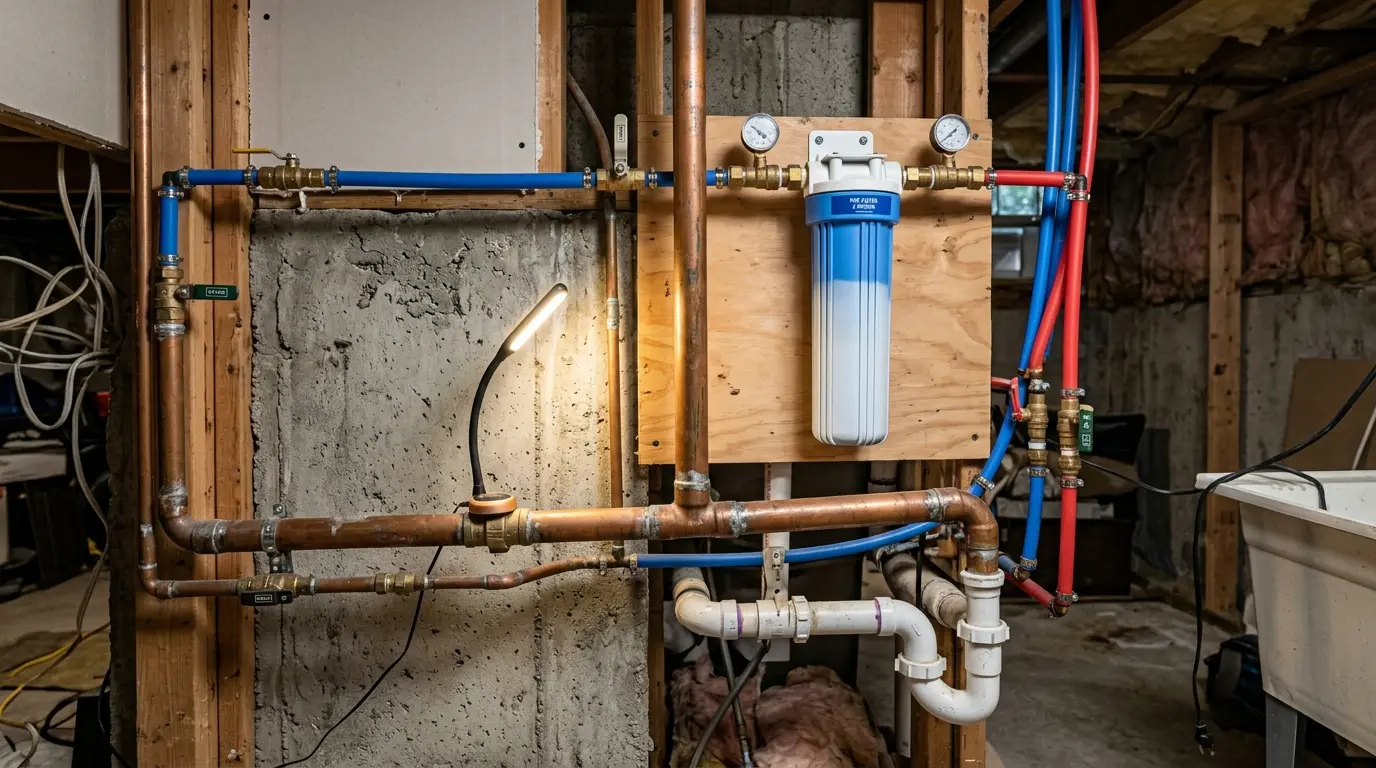
A septic system, or in the formal language an onsite sewerage system, is a self-contained way of treating wastewater on the property itself. The most common setup is a tank buried in the ground that the house drains into, followed by a disposal field, sometimes called a drain field or leaching field, where the liquid filters out through the soil.
Solids settle in the tank and get broken down by bacteria. The liquid flows out to the field and the soil does the final cleaning before the water rejoins the groundwater. There’s no pipe to the street. Everything happens on your lot.
There are simpler gravity systems and there are more complex engineered or treatment systems, often used where the soil drains poorly or the lot is small or sloped. The type matters a lot for maintenance and replacement cost, which I’ll get to.
Municipal sewer, by contrast, is the city’s pipe. Your house connects to a main under the road, you pay a sewer charge on your utility bill, and the treatment happens at a regional plant far from your property. Most Vancouver buyers have only ever lived with this and assume it’s universal. On the fringe, it isn’t.
How to tell which one a property has
This is the first thing I check on any edge or acreage listing, and you can do most of it yourself.
Read the utility bills
Ask the seller for recent water and utility bills. A property on municipal sewer will show a sewer or sanitary charge. No sewer line item usually means the property is on septic. This is the fastest tell.
Walk the lot
Look for a septic tank lid, often a round or rectangular concrete or plastic cover sitting flush with or just above the ground, and a grassed area nearby that stays a little greener or where nothing heavy is parked. That’s typically the field. If you see those, you’re almost certainly on septic.
Ask for the paperwork
In BC, onsite sewerage systems installed since the current rules came in are supposed to have a filing with the health authority documenting the design and the authorized person who installed it. Ask the seller for the original filing, any as-built drawings, and maintenance or pump-out records. A well-kept file is a good sign. No paperwork at all on a newer system is a yellow flag worth chasing down.
Confirm with the municipality
Call the local municipality or regional district engineering department, or have your realtor do it. They can tell you whether a sewer main runs to or near the property and whether the lot is connected. A title search can also surface a sewer connection or easements. When the bill, the lot, and the municipality all line up, you have your answer.
The BC rules and the inspection you actually need
Onsite sewerage systems in BC fall under provincial sewerage regulation, administered through the regional health authorities. The short version is that systems are supposed to be designed, installed, and maintained by qualified people, and the design is filed with the health authority. Vancouver Coastal Health and Fraser Health cover the parts of the region where you’ll run into septic. Their websites are the authoritative place to read the current requirements.
Here’s the part I push hardest on with buyers: a standard home inspection does not cover the septic system. Your home inspector will look at the roof, the furnace, the visible plumbing inside the house, and so on, and the report will be silent on the tank and field. If you want to know the condition of the septic, you hire a separate qualified onsite wastewater professional to inspect it.
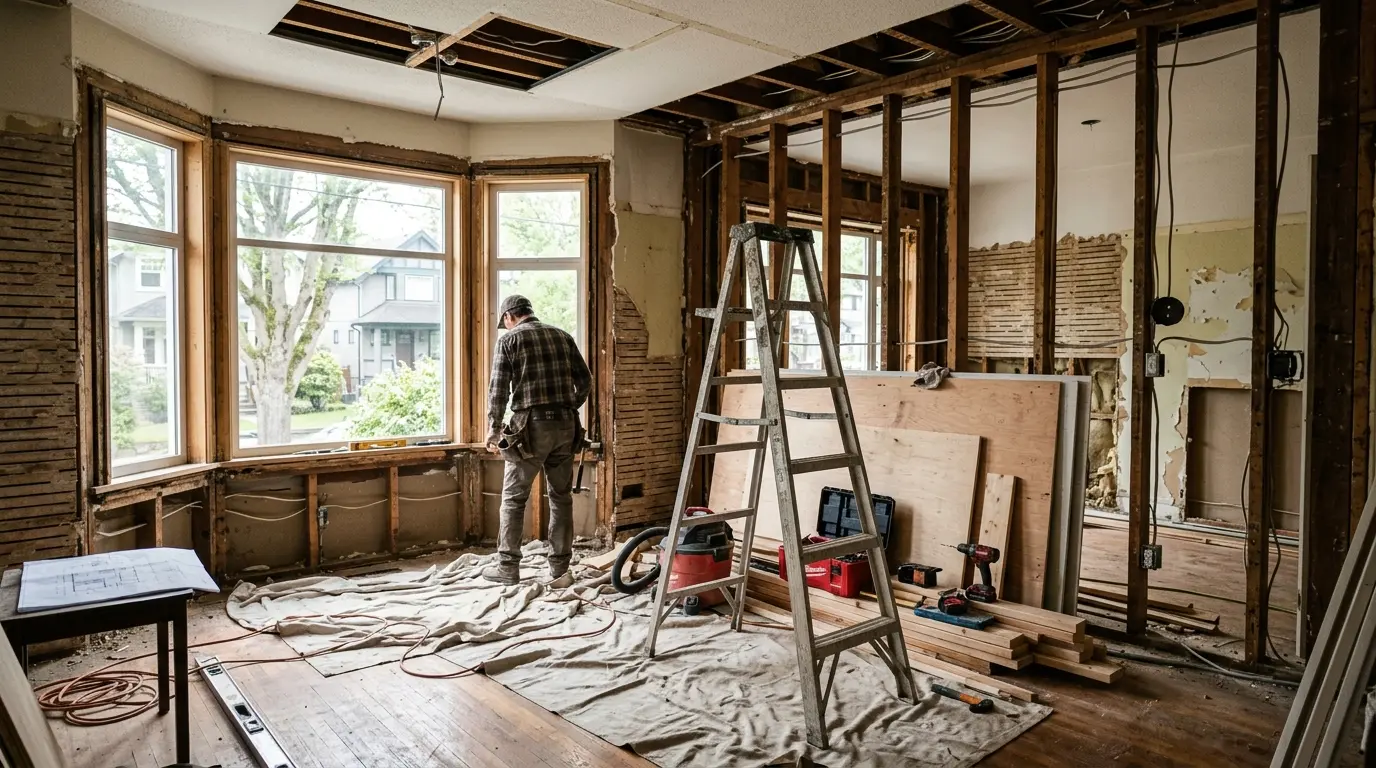
A proper septic inspection usually includes locating and opening the tank, checking the baffles and liquid levels, assessing the field, and pumping the tank as part of the visit so they can see the inside. They’ll tell you whether the system is sound, near the end of its life, or already failing. I treat a septic inspection the same way I treat the general home inspection on these properties, as a condition of the offer. If you’re going to make the system a condition, the same discipline you’d bring to any older home applies. Our home inspection red flags guide and the open house checklist are useful for the rest of the property; the septic just gets its own specialist on top.
What it costs to own and to fix
This is where the numbers get people’s attention, so let me give you honest, clearly approximate ranges. Every site is different and you should always get a site-specific quote.
Routine maintenance
A septic tank needs pumping out periodically, typically every three to five years depending on tank size and household use. A pump-out is the cheap part, usually a few hundred dollars. Skipping it is how solids carry over into the field and shorten the field’s life, which turns a few-hundred-dollar job into a very large one.
Field and system replacement
A disposal field doesn’t last forever. When it fails, you’re often looking at replacing the field or the whole system, and this is the expense that can reshape a purchase. As a rough, illustrative range, a straightforward replacement might run in the neighbourhood of fifteen to forty thousand dollars or more, and an engineered treatment system on a difficult site can go well above that. Soil conditions, lot slope, system type, and access all move the number. I’ve seen quotes come in lower on easy gravity systems and much higher where a treatment plant was required.
The takeaway isn’t a specific figure, it’s this: a septic system is a major building component with a finite life, and you want to know roughly where this one is in that life before you buy. The inspection is what tells you.
Financing and resale
Lenders finance septic properties all the time, so don’t let anyone scare you off the idea. What lenders care about is that the system works. Some lenders, particularly on acreage and on non-standard or engineered systems, will ask for a septic inspection or certification before they advance the money. If the system has failed or there’s no record of one at all, financing can get complicated quickly, which is one more reason to have the inspection done during your conditions, not after.
On resale, the same logic runs in reverse. A septic system in good condition with a tidy maintenance file is an easy sell. A neglected one with no records becomes a negotiation, and usually not in the seller’s favour. If you own a septic property, the cheapest thing you can do for your eventual sale price is keep the pump-out receipts and the original filing in a folder. Buyers and their lenders both relax when the paperwork is there.
If you’re weighing a fringe property against a more conventional home in the city, it’s worth pricing out the full picture, including these systems, the way you would the closing costs on any purchase. The mortgage math is only part of the story on acreage.
Can you connect to municipal sewer instead?
Buyers often ask whether they can just hook up to the city sewer and be done with the septic. Sometimes you can, often you can’t, and the answer depends entirely on geography and local policy.
For a connection to be possible, a municipal sewer main has to run near the property, and the municipality has to allow and permit the connection. Where it’s available, you pay connection and permit fees set by the municipality, plus the cost of trenching and running the lateral line from the house to the main. That construction cost climbs with distance and difficult grade, so a property close to the main is far cheaper to connect than one set back hundreds of feet down a slope.
On true acreage and in the more rural parts of the region, there’s frequently no sewer main anywhere near, and septic is simply how it’s done with no city alternative on offer. Don’t assume a connection is available, and definitely don’t pay an acreage premium on the theory you’ll switch to sewer later. Confirm with the local engineering department first.
Key Takeaways
- A standard home inspection does not cover the septic system. On any fringe or acreage property, budget for a separate inspection by a qualified onsite wastewater professional and make it a condition of your offer.
- Tell septic from sewer by checking the utility bills for a sewer charge, walking the lot for a tank lid and field, asking for the system filing and pump-out records, and confirming with the municipality.
- Routine pump-outs are cheap, typically a few hundred dollars every three to five years. A field or full-system replacement is the big-ticket risk, commonly in the rough range of fifteen to forty thousand dollars or more depending on the site.
- Lenders finance septic properties, but some require an inspection or certification first, especially on acreage and engineered systems. A failed or undocumented system can complicate financing.
- Connecting to municipal sewer is only possible where a main runs nearby and the municipality permits it. Confirm availability and cost before assuming you can switch off septic.
Frequently Asked Questions
How do I tell if a property is on septic or municipal sewer?
Check the property’s water and sewer bills, look for a septic tank lid and a grassed field area on the lot, and ask the seller for the original septic filing or maintenance records. A title search and a call to the local municipality or regional district will confirm whether the lot is connected to a municipal sewer main. If there’s a tank and field on the property and no sewer line on the bill, it’s on septic.
Do I need a septic inspection when buying a property in BC?
It is not legally required, but it is strongly recommended. A standard home inspection does not cover the septic system. Hire a qualified onsite wastewater professional to inspect the tank, field, and components and pump the tank as part of the visit. Make the inspection a condition of your offer so you can walk away or renegotiate if the system has failed.
How much does it cost to replace a septic field in BC?
Costs vary widely by soil, site, and system type. Routine pump-outs typically run a few hundred dollars every three to five years. A full field or system replacement is a much larger expense, commonly in the range of roughly $15,000 to $40,000 or more, depending on whether a simple gravity field or an engineered treatment system is required. Always get a site-specific quote.
Can I get a mortgage on a property with a septic system?
Yes. Lenders finance septic properties routinely. They generally want assurance the system is functional, so some will ask for a septic inspection or certification before funding, especially on acreage or non-conforming systems. A failed or missing system can complicate financing, which is one more reason to inspect before removing conditions.
Can I connect a septic property to the municipal sewer?
Sometimes. It depends on whether a municipal sewer main runs near the property and whether the municipality allows a connection. Where it is possible, you pay connection and permit fees plus the cost of trenching and the lateral line, which can run from several thousand to tens of thousands of dollars depending on distance and grade. Confirm with the local engineering department before assuming a connection is available.
Sources
- Government of British Columbia — Sewerage System Regulation and onsite systems
- Vancouver Coastal Health — onsite sewerage systems
- Fraser Health — sewerage systems
- Metro Vancouver — liquid waste and regional sewer services
- Canada Mortgage and Housing Corporation (CMHC) — buying and financing a home
Work with Rain City Properties
Buying on the edge of Vancouver can be a great move, but the systems under the property deserve the same scrutiny as the house on top of it. If you’re looking at an acreage or fringe lot and want someone who’ll ask about the septic, the well, and the connection options before you fall for the kitchen, I’m glad to help.
Contact Greyden Douglas directly at (604) 218-2289 or book a call to discuss your Vancouver real estate goals.
Frequently asked questions
How do I tell if a property is on septic or municipal sewer?
Check the property's water and sewer bills, look for a septic tank lid and a grassed field area on the lot, and ask the seller for the original septic filing or maintenance records. A title search and a call to the local municipality or regional district will confirm whether the lot is connected to a municipal sewer main. If there's a tank and field on the property and no sewer line on the bill, it's on septic.
Do I need a septic inspection when buying a property in BC?
It is not legally required, but it is strongly recommended. A standard home inspection does not cover the septic system. Hire a qualified onsite wastewater professional to inspect the tank, field, and components and pump the tank as part of the visit. Make the inspection a condition of your offer so you can walk away or renegotiate if the system has failed.
How much does it cost to replace a septic field in BC?
Costs vary widely by soil, site, and system type. Routine pump-outs typically run a few hundred dollars every three to five years. A full field or system replacement is a much larger expense, commonly in the range of roughly $15,000 to $40,000 or more, depending on whether a simple gravity field or an engineered treatment system is required. Always get a site-specific quote.
Can I get a mortgage on a property with a septic system?
Yes. Lenders finance septic properties routinely. They generally want assurance the system is functional, so some will ask for a septic inspection or certification before funding, especially on acreage or non-conforming systems. A failed or missing system can complicate financing, which is one more reason to inspect before removing conditions.
Can I connect a septic property to the municipal sewer?
Sometimes. It depends on whether a municipal sewer main runs near the property and whether the municipality allows a connection. Where it is possible, you pay connection and permit fees plus the cost of trenching and the lateral line, which can run from several thousand to tens of thousands of dollars depending on distance and grade. Confirm with the local engineering department before assuming a connection is available.
Related Vancouver real estate pages
Continue with local service pages, neighbourhood guides, and actionable resources related to this topic.