Quick answer: A 2026 guide to window replacement costs for Vancouver homes, comparing vinyl, fiberglass, and wood frames and single, double, and triple glazing for the coastal climate, plus rebates and resale value.
What new windows actually cost in Vancouver, why our wet coast climate punishes the wrong glass, and how vinyl, fiberglass, and wood compare. Plus rebates, condensation fixes, and the resale payoff.
Want a free assessment for your property?
Leave your name and phone — Greyden will call you back with a personalized market snapshot. No spam, no drip campaigns.
Join 1,000+ Vancouver homeowners. No spam, unsubscribe anytime.
A buyer told me last month that she’d toured a tidy 1950s bungalow on the east side and almost crossed it off her list. Not because of the price or the layout. Because every window was fogged up, and a couple were painted shut. She thought the house was falling apart.
It wasn’t. What she was looking at is one of the most common, most fixable issues in older Vancouver homes: tired windows. And it’s one of the things I get asked about most, by buyers sizing up a place and by sellers wondering what to fix before they list.
Windows matter more here than in a lot of cities. We don’t get brutal winters, but we get months of cold, wet, grey weather, and that punishes single-pane glass and failed seals in a way that’s hard to ignore once you’ve lived through one Vancouver January. So let’s talk about what replacement actually costs in 2026, what materials make sense for this climate, and whether it’s worth doing.
What new windows actually cost in Vancouver
I’ll give you ranges, but treat these as a starting point, not a quote. Pricing swings a lot based on window size, how many you do at once, whether you’re keeping the existing frame or doing a full tear-out, and how easy the access is. A second-storey window over a sloped roof costs more to install than one at ground level.
As a rough 2026 guide, supplied and installed, for standard residential sizes:
- Vinyl: roughly $700 to $1,500 per window
- Fiberglass: roughly $1,000 to $2,200 per window
- Wood or wood-clad: roughly $1,400 to $3,500 and up
For a whole house, most Vancouver homes have somewhere between 15 and 25 windows. That puts a typical full replacement in the range of about $20,000 to $60,000, sometimes more for a larger home, custom shapes, or premium materials. Big picture windows, bay windows, and anything custom-shaped push the top end higher.
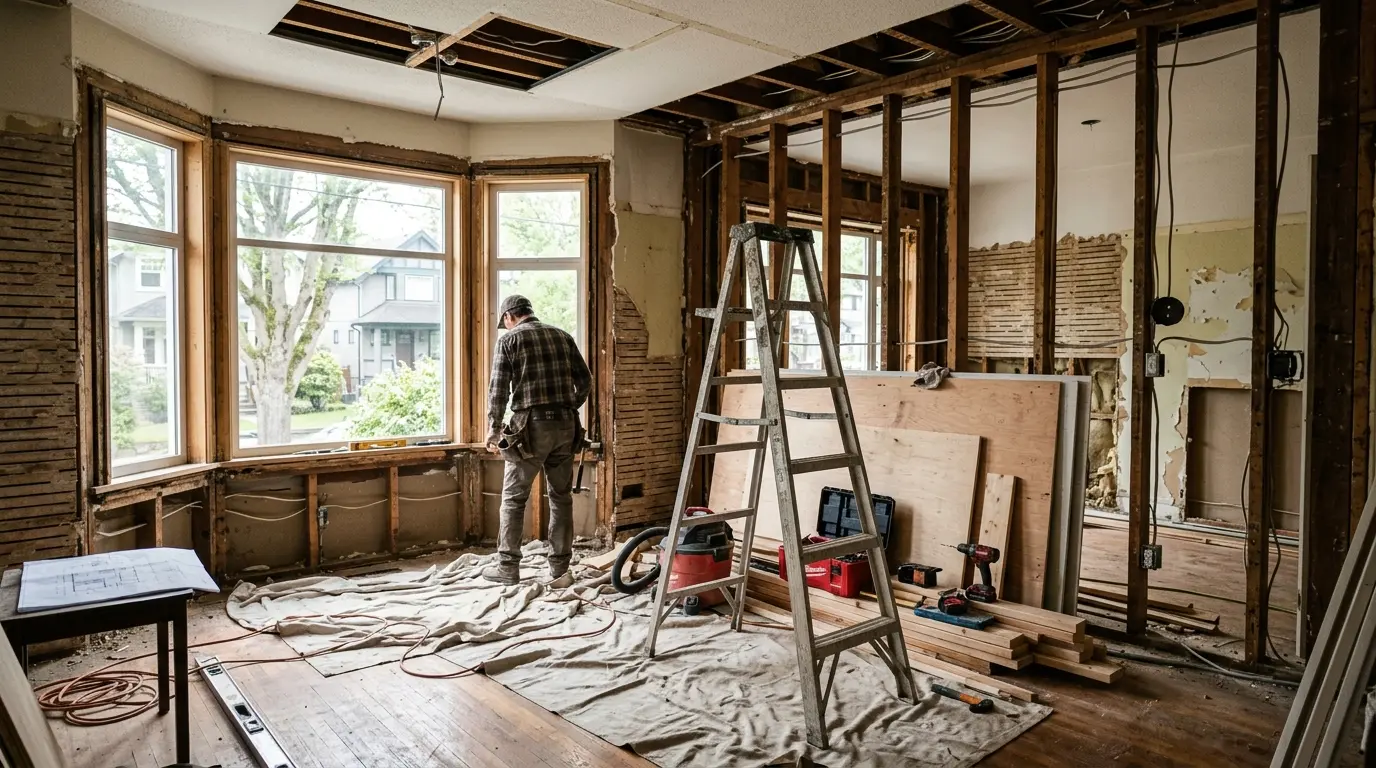
A few things that quietly add cost: removing and disposing of old single-pane wood windows, repairing rot in the surrounding frame once the old unit is out (very common in older homes here), and any lead paint or asbestos concerns in pre-1990 houses. A good installer will flag these before they start, but budget a contingency.
Vinyl vs fiberglass vs wood for the wet coast
The frame material is where a lot of the money and most of the long-term maintenance decision lives.
Vinyl
Vinyl is what goes into most Vancouver homes, and for good reason. It doesn’t rot, it doesn’t need painting, and it handles our damp climate without complaint. It’s the most affordable option and it insulates well. The downsides: cheaper vinyl can look bulky, the frames are thicker so you lose a bit of glass area, and colour choices are more limited (dark colours on vinyl can warp in direct sun, though that’s less of an issue on our cloudier faces). For most homeowners doing a practical replacement, vinyl is the sensible default.
Fiberglass
Fiberglass costs more but it’s stronger and more stable than vinyl, so the frames can be slimmer for the same opening. It expands and contracts very little with temperature swings, which helps the seals last. It can be painted and holds colour well. If you want something a step up from builder-grade vinyl that still shrugs off rain, fiberglass is the middle ground. The main drawback is simply price.
Wood and wood-clad
Wood is beautiful and it’s often the right call on a character home, a heritage property, or anywhere the look matters. Wood-clad windows wrap the exterior in aluminum or fiberglass so you get the warm interior wood with a weather-proof outside. The catch in our climate is maintenance. Exposed wood in Vancouver rain needs ongoing upkeep, and neglected wood frames rot. If you love the look, go in knowing you’re signing up for the maintenance, or choose a clad product to cut it down.
If you’re weighing a character home and trying to understand what you’re inheriting, my guide to Vancouver Specials and the home inspection red flags piece both touch on the kinds of window and frame issues that turn up in older houses here.
Glazing: single vs double vs triple
Glazing is the number of panes of glass in the unit. This is where our climate really shapes the answer.
Single pane is what you find in many pre-1970s homes. One layer of glass, no insulation value to speak of, and it sweats with condensation all winter. If you’ve got single-pane windows, replacement is genuinely worth doing for comfort alone.
Double pane with a low-E coating and argon gas fill between the panes is the modern standard and the right default for almost every Vancouver home. The low-E coating reflects heat back inside, the argon slows heat transfer, and the warm-edge spacer between panes reduces condensation. This combination handles our climate well and is what I’d point most people toward.
Triple pane adds a third layer of glass. It’s better at insulating, noticeably better at blocking noise, and the inner glass stays warmer so you get less condensation. The honest truth for Vancouver: the energy savings alone rarely justify the extra cost, because our winters aren’t cold enough or long enough to recover it quickly. Where triple glazing earns its keep is comfort and noise: a bedroom on a busy arterial, a place near SkyTrain or a flight path, a cold north-facing room, or a high-performance build where you’re chasing every efficiency point. For those situations it’s a real upgrade. For a sheltered south-facing living room, double pane is plenty.
The condensation and “leaky window” problem in older homes
This is the issue my buyer was actually looking at, and it’s worth understanding because it changes whether you panic or not.
There are two different things people call condensation:
-
Water on the inside of the glass. This is moist indoor air hitting cold glass. It’s most common with single-pane windows and in homes with high indoor humidity, which is easy to build up in our wet climate, especially in kitchens, bathrooms, and homes without good ventilation. Better airflow, a bathroom fan that actually vents outside, and lower indoor humidity all help. But cold single glazing will always sweat in a Vancouver winter, no matter how well you ventilate.
-
Fog trapped between two panes. This is a failed seal. The sealed unit has lost its gas fill and moisture has gotten in. You can’t clean it because it’s inside the glass. The fix is replacing the glass unit, often without replacing the whole frame, which is cheaper than a full window. This is what makes a house look worse than it is.
That second point is the one to remember as a buyer. Fogged double-pane windows look alarming at a showing, but they’re frequently a glass-unit swap, not a sign the house is failing. They’re also one of the most negotiable items I see, right alongside roof age and furnace condition. If you’re heading into showings, it’s worth knowing what to actually look at, which is part of why I put together an open house checklist.
Rebates and the resale payoff
Rebates
Rebate programs in BC change often, so the single most useful thing I can tell you is to confirm what’s active before you sign anything. Over the years, programs through BetterHomesBC and CleanBC, along with utilities like BC Hydro and FortisBC, have offered rebates on ENERGY STAR windows. These are usually tied to meeting a performance threshold and sometimes require a home energy evaluation before and after the work. The amounts and eligibility rules shift year to year, so check the current BetterHomesBC program and your utility before you assume a number. Don’t let a rebate drive the whole decision, but if you’re replacing windows anyway, it’s worth a few minutes to see what’s on offer.
Resale and comfort
Here’s the part people most often get wrong: new windows almost never return their full cost in dollars at resale. If you spend $40,000, you’re not adding $40,000 to the sale price. What they do is remove an objection. Drafty, fogged, or painted-shut windows are exactly the kind of thing a buyer notices at a showing and a home inspector flags in the report, and they become a lever the buyer uses to negotiate the price down.
So the real payoff is threefold and mostly indirect: the home shows better and sells faster and cleaner, you get lower heating bills and a more comfortable house while you live there, and you take a common negotiating point off the table. If you’re a seller deciding what to fix before listing, sometimes you don’t need a full replacement at all. Swapping out a few failed sealed units and giving everything a proper wash can do most of the visual work for a fraction of the cost. If you’re a buyer, the reverse is your opportunity: tired windows on the right house are leverage, not a dealbreaker.
Key Takeaways
- As a rough 2026 guide, vinyl windows run about $700 to $1,500 each installed, fiberglass $1,000 to $2,200, and wood or wood-clad $1,400 to $3,500+; a full house of 15 to 25 windows commonly lands between $20,000 and $60,000.
- Vinyl is the practical default for our wet climate (no rot, no painting), fiberglass is a stronger step up with slimmer frames, and wood looks best on character homes but demands ongoing maintenance.
- Double pane with a low-E coating and argon fill is the right standard for almost every Vancouver home; triple pane is worth it mainly for noise, north faces, and high-performance builds, not for energy payback alone.
- Fog between the panes means a failed seal and usually a glass-unit swap, not a failing house. Condensation on the inside surface is humidity meeting cold glass.
- New windows rarely return their full cost at resale, but they remove a common buyer objection and help a home show and sell better.
- Confirm current rebate programs through BetterHomesBC and your utility before buying, as eligibility and amounts change regularly.
Frequently Asked Questions
How much does it cost to replace windows in a Vancouver house?
As a rough 2026 guide, supplied-and-installed vinyl windows in Vancouver run about $700 to $1,500 per window for standard sizes, fiberglass roughly $1,000 to $2,200, and wood or wood-clad $1,400 to $3,500 or more. A full house of 15 to 25 windows commonly lands between $20,000 and $60,000 depending on material, size, and access. These are approximate ranges, not quotes.
Is triple glazing worth it in Vancouver?
For most Vancouver homes, good double glazing with a low-E coating and argon fill is the sensible default. Triple glazing adds comfort, cuts noise, and reduces condensation, but the energy savings alone rarely pay back the extra cost in our mild climate. It makes the most sense on north faces, busy streets, near SkyTrain, or in a high-performance or Passive House build.
Why do my older Vancouver windows have so much condensation?
Condensation on older windows usually means single-pane glass or failed double-pane seals combined with high indoor humidity, which is common in our wet climate. Cold glass meets moist indoor air and water forms. Fogging trapped between two panes means the seal has failed and the unit needs replacing. Better ventilation and lower indoor humidity help, but cold single glazing will always sweat in winter.
Are there rebates for new windows in BC?
Rebate programs change often, so confirm current offers before you buy. Historically, programs through BetterHomesBC, CleanBC, and utilities like BC Hydro and FortisBC have offered rebates for ENERGY STAR windows, often tied to a home energy evaluation and meeting a performance threshold. Check BetterHomesBC and your utility for the programs active in 2026.
Do new windows add resale value in Vancouver?
New windows rarely return their full cost in dollars at resale, but they remove a common buyer objection and help a home show well. Buyers notice drafty, fogged, or painted-shut windows during showings and home inspections, and old single-pane windows often become a negotiating point. New windows mainly pay back through comfort, lower bills, and a faster, cleaner sale.
Sources
- BetterHomesBC — provincial home energy retrofit programs and rebate listings, including windows.
- CleanBC — BC government energy efficiency and climate program hub.
- BC Hydro — utility rebate and energy-saving programs for homes.
- FortisBC — natural gas and electric utility rebate programs.
- Natural Resources Canada — ENERGY STAR for windows — federal ENERGY STAR product standards and energy efficiency guidance.
Work with Rain City Properties
Whether you’re sizing up an older home with tired windows or deciding what’s worth fixing before you list, it helps to know what’s cosmetic, what’s structural, and what’s just a negotiating point. I’ve walked plenty of Vancouver buyers and sellers through exactly this call.
Contact Greyden Douglas directly at (604) 218-2289 or book a call to discuss your Vancouver real estate goals.
Frequently asked questions
How much does it cost to replace windows in a Vancouver house?
As a rough 2026 guide, supplied-and-installed vinyl windows in Vancouver run about $700 to $1,500 per window for standard sizes, fiberglass roughly $1,000 to $2,200, and wood or wood-clad $1,400 to $3,500 or more. A full house of 15 to 25 windows commonly lands between $20,000 and $60,000 depending on material, size, and access. These are approximate ranges, not quotes.
Is triple glazing worth it in Vancouver?
For most Vancouver homes, good double glazing with a low-E coating and argon fill is the sensible default. Triple glazing adds comfort, cuts noise, and reduces condensation, but the energy savings alone rarely pay back the extra cost in our mild climate. It makes the most sense on north faces, busy streets, near SkyTrain, or in a high-performance or Passive House build.
Why do my older Vancouver windows have so much condensation?
Condensation on older windows usually means single-pane glass or failed double-pane seals combined with high indoor humidity, which is common in our wet climate. Cold glass meets moist indoor air and water forms. Fogging trapped between two panes means the seal has failed and the unit needs replacing. Better ventilation and lower indoor humidity help, but cold single glazing will always sweat in winter.
Are there rebates for new windows in BC?
Rebate programs change often, so confirm current offers before you buy. Historically, programs through BetterHomesBC, CleanBC, and utilities like BC Hydro and FortisBC have offered rebates for ENERGY STAR windows, often tied to a home energy evaluation and meeting a performance threshold. Check BetterHomesBC and your utility for the programs active in 2026.
Do new windows add resale value in Vancouver?
New windows rarely return their full cost in dollars at resale, but they remove a common buyer objection and help a home show well. Buyers notice drafty, fogged, or painted-shut windows during showings and home inspections, and old single-pane windows often become a negotiating point. New windows mainly pay back through comfort, lower bills, and a faster, cleaner sale.
Related Vancouver real estate pages
Continue with local service pages, neighbourhood guides, and actionable resources related to this topic.